Poem Types
Poetic Elements
Figurative Language
Structure & Form
Apply It!
100
This poem has 3 lines and a 5–7–5 syllable pattern
Haiku
100
Words that help you picture, hear, or feel something
imagery
100
Comparing two things using “like” or “as.”
Simile
100
100: Label this rhyme scheme:
cat / hat / sun / fun
AABB
100
There was an Old Man with a beard,
Who said, 'It is just as I feared!
Two Owls and a Hen,
Four Larks and a Wren, Have all built their nests in my beard!'
Limerick
200
This poem has four lines and follows a rhyme scheme like ABAB or AABB (Name the other rhyme scheme too)
Quatrain Poem
200
The repeating pattern of sounds at the ends of lines
Rhyme
200
Comparing two things without using “like” or “as.”
Metaphor
200
How many lines are in a cinquain?
Five (think Cinco)
200
so much depends
upon
a red wheel
barrow
glazed with rain
water
beside the white
chickens.
Free Verse
300
This poem uses humor and has an AABBA rhyme scheme
Limerick
300
A group of lines in a poem, like a paragraph.
Stanza
300
Giving human qualities to non-human things.
Personification
300
What clue helps you identify a limerick first?
The AABBA Rhyme Scheme
300
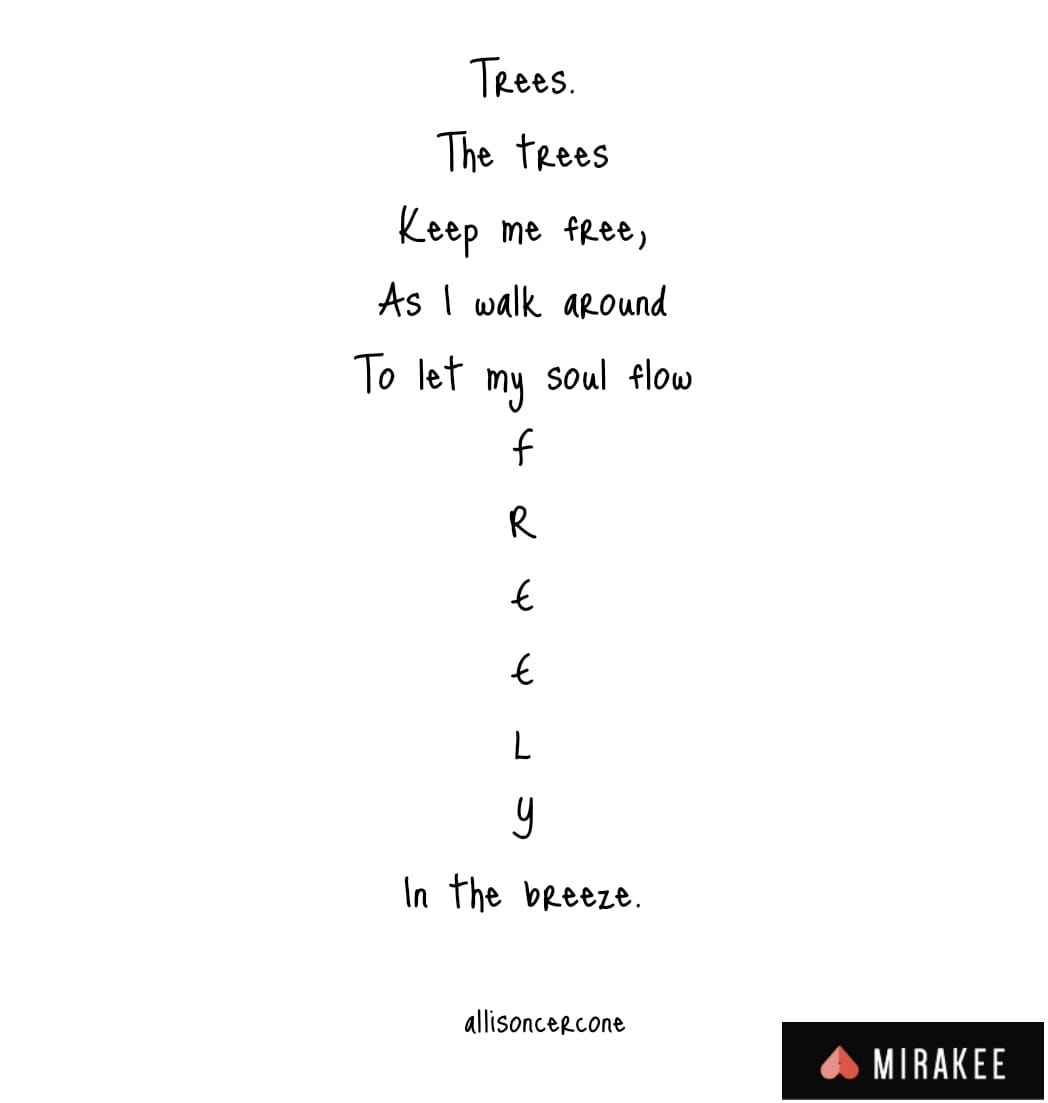
Concrete Poem
400
This poem has no set rhyme or rhythm rules
Free Verse
400
The feeling or mood of a poem.
Tone
400
Exaggeration for effect.
Hyperbole
400
What do you do first when identifying a poem type?
Count the lines!
400

What type of figurative language do you see the most here?
onomatopoeia
500
This poem forms the shape of what it describes
Concrete
500
When poets repeat words or phrases for emphasis.
Repetition
500
Words that imitate sounds (bang, crash, buzz).
Onomatopoeia
500
Why do poets use line breaks in free verse?
To control pacing and emphasize ideas
500
In the light fresh breeze
A single leaf pirouettes
The air enchanted.
Haiku