Jazz & Culture
Harlem Renaissance
Famous Figures
Technology & Innovation
Economics & Industry
100
This type of upbeat, rhythmic music became popular in the 1920s and made people want to dance.
Jazz.
100
This major migration of African Americans from the South to the North helped start the Harlem Renaissance.
The Great Migration
100
This baseball player became a superstar in the 1920s and was famous for hitting many home runs. Who is he?
Babe Ruth
100
A new type of mass-produced vehicle became more common in the 1920s. What is it?
Answer: The automobile (car).
100
In economics, when people make choices because they cannot have everything, that is called what?
Answer: Opportunity cost.
200
This famous singer and jazz musician played the trumpet and helped make jazz popular across the country; he was known for his big smile.
Louis Armstrong
200
This poet and writer, wrote about the joys and sorrows of African American life. Name him.
Langston Hughes.
200
This businessman used the assembly line to build cars faster and more cheaply, making cars affordable for many families. Name him.
Henry Ford
200
Ford’s assembly line increased this, allowing factories to make cars quickly and efficiently. This increased ________.
productivity
200
When workers focus on one task, such as putting on windshields, this is called ____.
Answer: Specialization.
300
This invention helped spread Louis Armstrong’s music across the U.S.
Radio
300
Listeners could hear Langston Hughes’ poetry using this technology.
radio
300
He made the first solo nonstop transatlantic flight in 1927 and became a national hero. Name this aviator.
Charles Lindbergh
300
Making cars faster and cheaper led to one major change in where people lived. What change happened?
Answer: More people moved to suburbs or could travel farther from home for work and shopping.
300
Henry Ford lowered costs using this production method.
assembly line
400
Explain how Louis Armstrong contributed to cultural change in post-WWI America.
He made jazz popular worldwide and helped create a new form of entertainment.
400
The Harlem Renaissance helped African American artists share their work nationwide. Name one art form (other than poetry) that was important in the Harlem Renaissance.
Art, novels, poems, plays, music
400
Explain why Babe Ruth is remembered as an important cultural figure of the 1920s.
He attracted huge numbers of fans and helped make baseball the most popular sport of the decade.
400
Lindbergh’s flight increased Americans’ interest in this industry.
Air Travel or Aviation
400
Which of these is the BEST title for the list: "Each person focuses on a specific job on the assembly line" and "Workers make cars quickly and efficiently"?
A. Dangers of Car Factories
B. Impacts of Specialization
C. Impacts of the Automobile
D. Dangers of Assembly Lines
B. Impacts of Specialization
500
In the lesson we discussed new dances being invented during the Roaring Twenties. And there was a picture and example of the dance, what was the dance called?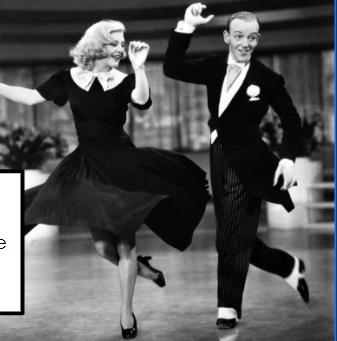
The Charleston
500
Explain how the Harlem Renaissance changed American culture.
It introduced new forms of art, writing, and music that helped Americans understand African American experiences.
500
Name one of the other famous people from the Harlem Renaissance.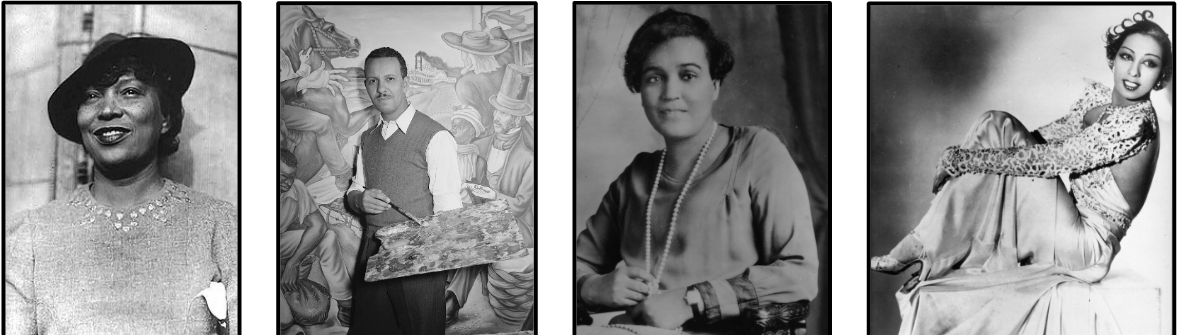
Zora Neale Hurston (author)
Hale Woodruff (painter)
Jessie Redmon Fauset (poet)
Josephine Baker (singer & dancer)
500
Charles Lindbergh flew nonstop across the Atlantic from New York to this European city in 1927. Name the landing city.x
Paris
500
Explain how specialization improved the standard of living in the 1920s.
Answer example: Lower production costs increased productivity so factories made more cars. Because it cost less to build cars, companies could lower prices, which acted as a price incentive for buyers to purchase cars. As people bought more cars, industries that made parts, roads, and services grew, and trade of goods and services increased.
ex: Faster production made goods cheaper, which allowed more people to buy cars and other products.