Dental/Oral Anatomy
Dental Terminology
X-Ray Vision
Oral Health
WILDCARD
100
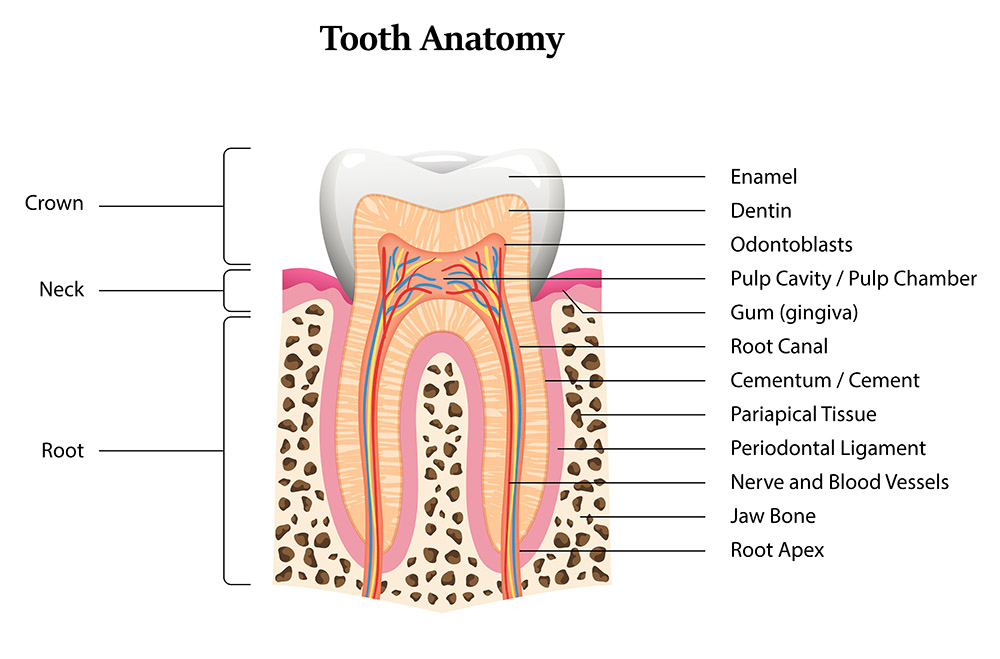
The three main parts of a tooth?
Crown, Neck, & Root
100
MIRROR QUESTION
The soft tissue that surrounds the teeth
Gingiva
100
MIRROR QUESTION
This bright white area on the X-ray is described as what?

Radiopaque
100
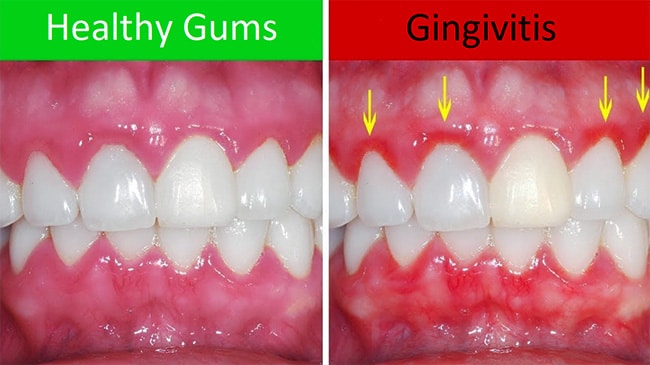
What is the term for inflamed, bleeding gums without bone loss?
Gingivitis
100
MIRROR QUESTION
What is the hardest structure in the body?
Enamel
200
MIRROR QUESTION
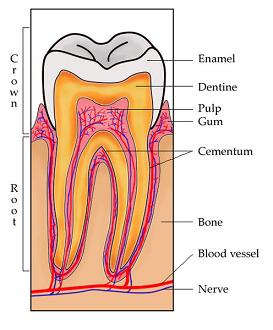
This is the innermost tissue of the tooth that contains blood vessels, lymphatics, and nerves.
Pulp
200
MIRROR QUESTION
This term means inflammation of the pulp
Pulpitis
200
What tooth surface is best seen on bitewing X-rays?
Interproximal surfaces

200
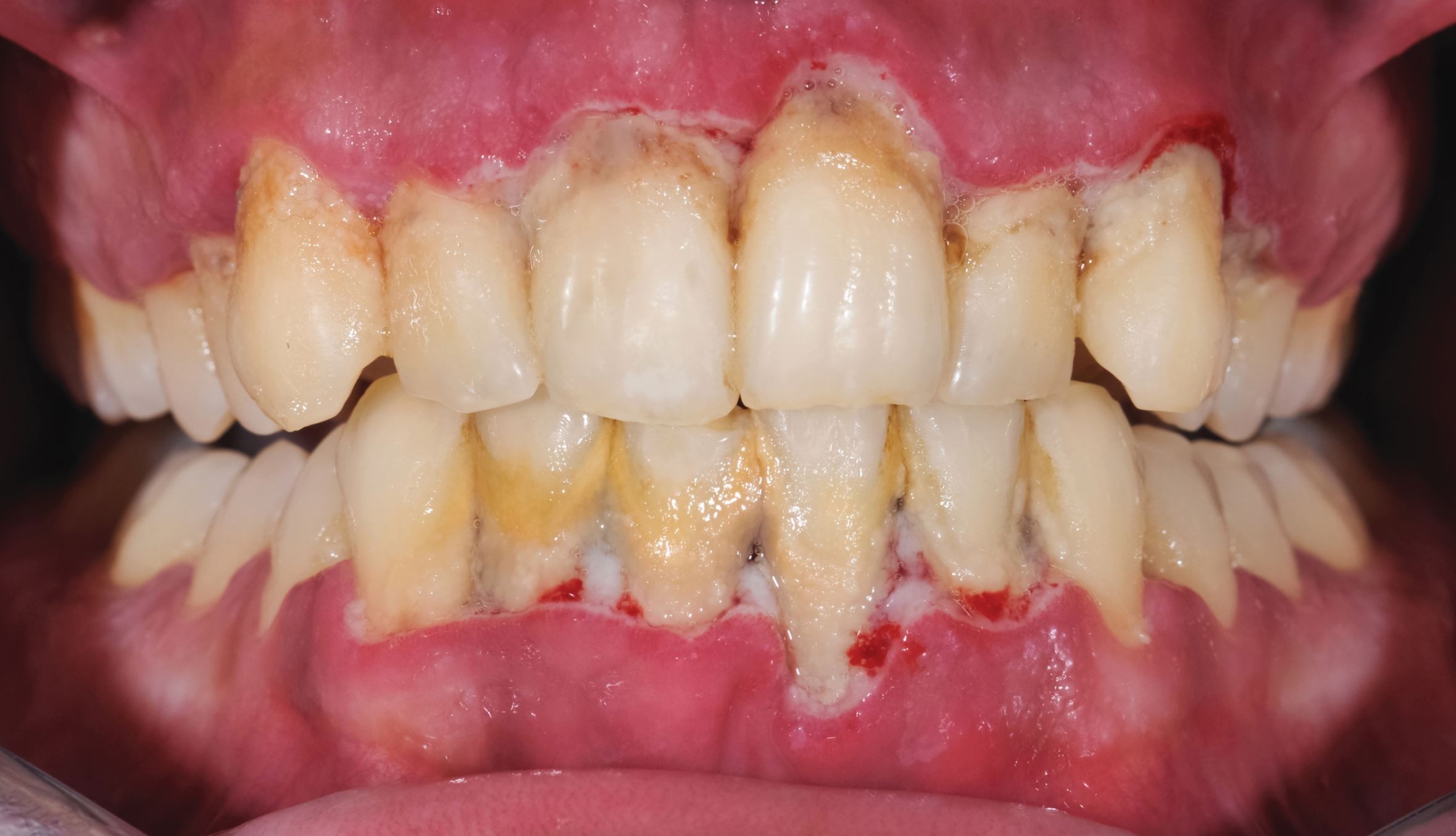
Poorly controlled diabetes is strongly associated with worsening of what oral condition?
Periodontal disease
200
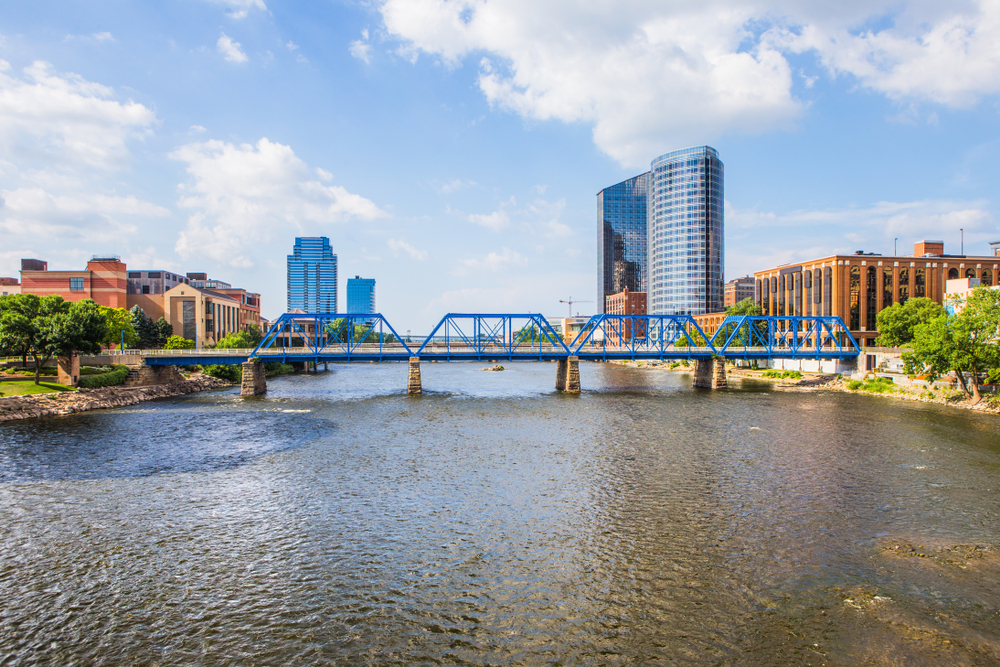
Which city was the first in the world to fluoridate its drinking water?
A) Memphis, Tennessee
B) Aurora, Colorado
C) Las Vegas, Nevada
D) Cleveland, Ohio
E) Grand Rapids, Michigan
Grand Rapids, Michigan
300
Number 3 indicates:
a) the lateral incisor
b) the first molar
c) the first premolar

b) the first molar
300
What condition is being shown when the gums pull away from the tooth, forming deep spaces?
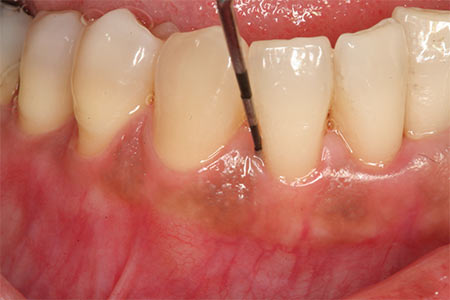
Periodontal pockets
300
What's the name of this X-Ray and what type of patient?

Panoramic radiograph on a child
300
MIRROR QUESTION
What mineral helps strengthen enamel and prevent cavities?
Fluoride

300
BEST GUESS WINS
- Get people to pick your answer
- Turn in your answer, guess the correct answer and don't pick another team's answer
- 100 points for each team that guesses your answer, 0 points for picking wrong, 300 points for the correct answer
There was once a fourth member of Kellogg's Rice Krispies mascot gang. Originally it was Snap, Crackle, Pop, and _____

Pow
400
MIRROR QUESTION
In the photo of the floor of the mouth what do you see?
a. sublingual folds
b. sublingual caruncle
c. mandibular tori
d. lingual frenum
e. none of the above

c. mandibular tori
400
What is the difference between supragingival and subgingival calculus?
Above vs. below the gumline

400
A 45-year-old patient walks into the clinic complaining of a dull, achy pain on the lower right side that has been present for several weeks.
Pain is worse when chewing
No sensitivity to cold
No recent dental trauma
What abnormal finding do you see on the radiograph and what treatment would you recommend?
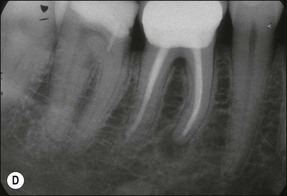
1. Root Canal Retreatment
- What it is: Your dentist reopens the tooth, removes the old filling and infected tissue, thoroughly cleans and disinfects the canals (sometimes with microscopes for precision), and then reseals them with new filling material (gutta-percha).
- Why it works: Addresses issues like missed canals, incomplete cleaning, or new infection.
- Follow-up: A new crown or restoration is placed to protect the tooth.
2. Apicoectomy (Root-End Surgery)
- What it is: A minor surgery where the endodontist accesses the root tip through the gum, removes the infected tip, and seals the root end.
- When it's used: If retreatment isn't possible or unsuccessful, or if the infection is at the root tip.
3. Extraction & Replacement (Last Resort)
- What it is: The tooth is removed if it's too damaged or fractured to save.
- Replacement Options: A dental implant, bridge, or partial denture can replace the missing tooth to restore function and appearance.
400
Mouth breathing in children can increase the risk of what oral health issue?
Dry mouth and cavities
400
MIRROR QUESTION
This animal has the largest canine(s) in the world.
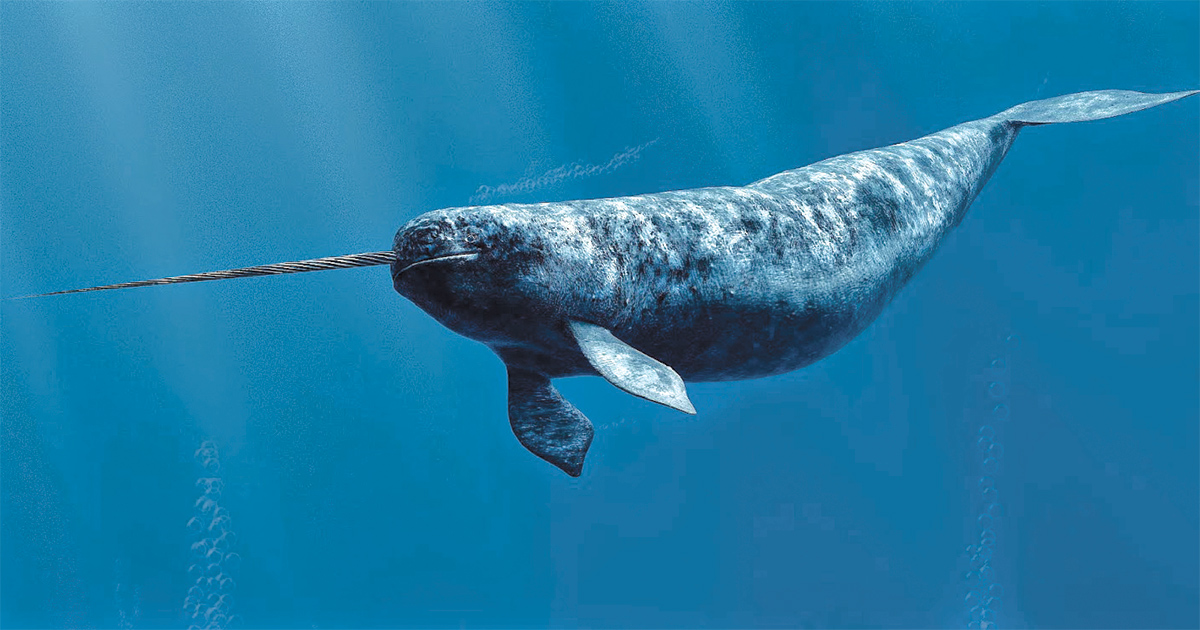
The narwhal has the largest canine teeth in the animal kingdom, with its left canine tooth extending into a tusk that can grow up to 10 feet long
500
Name the tooth number and highlighted surface

#1 = Tooth #7 - mesial surface
#2 = Tooth #7 - distal surface
#3 = Tooth #3 - lingual surface
#4 = Tooth #30 - occlusal surface
#5 = Tooth #26 - buccal/facial surface
#6 = Tooth #23 & #19 - buccal/facial surface
#7 = Tooth #24 - lingual surface
#8 = Tooth #9 - incisal surface
500
What does the abbreviation “RPD” stand for?
Removable Partial Denture

500
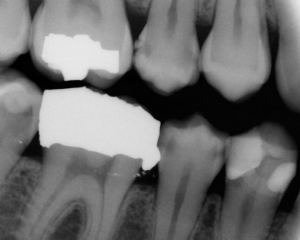
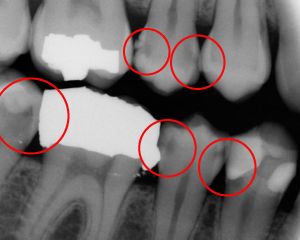
Locate the 6 cavities
500
This image shows cervical abrasion and gingival recession. What brushing habit most likely caused this?

Aggressive horizontal brushing with excessive force
500
Which animal has 47-48 teeth?
Echidna
Mosquito
Baleen whale
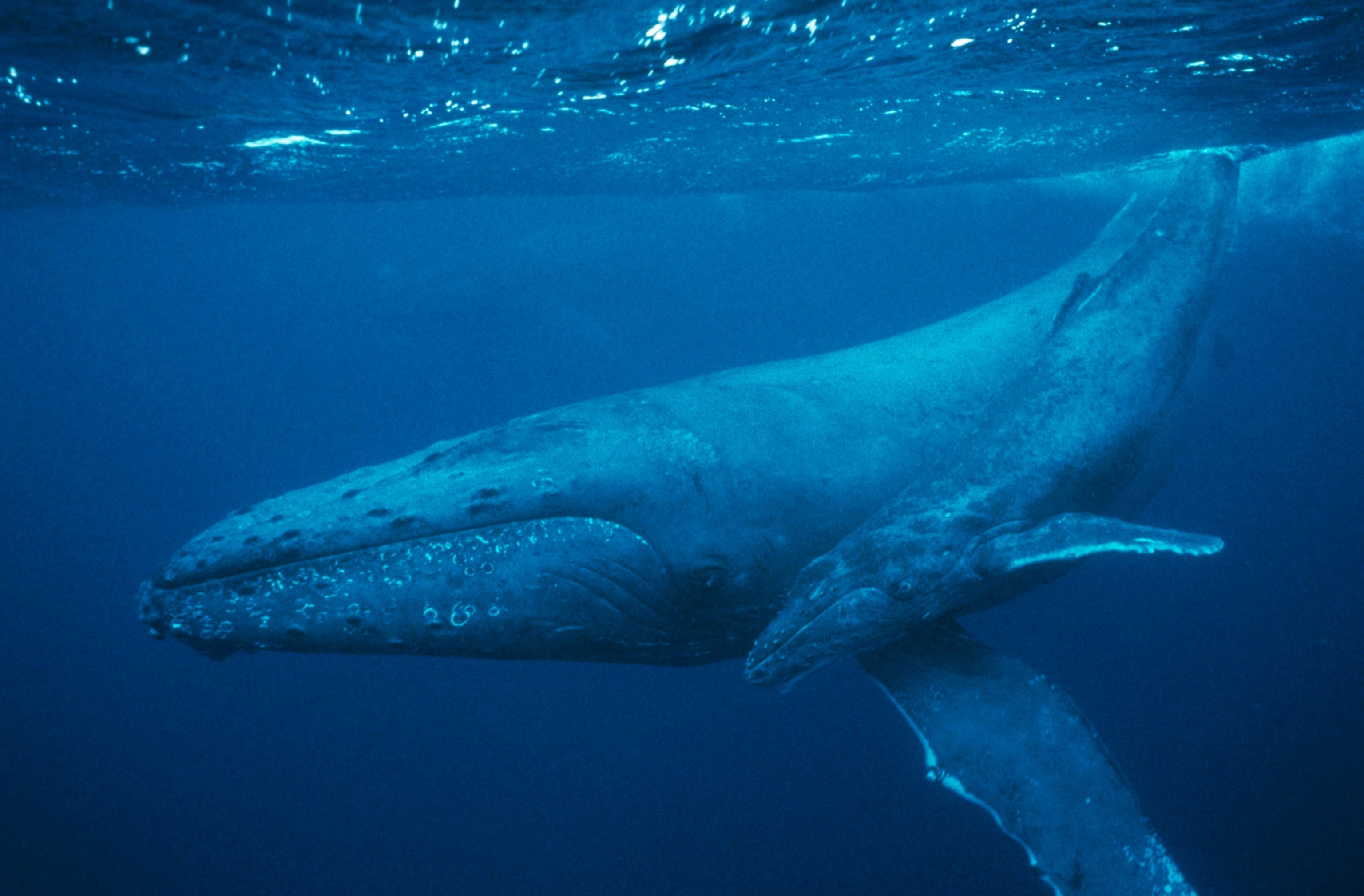
Seahorse
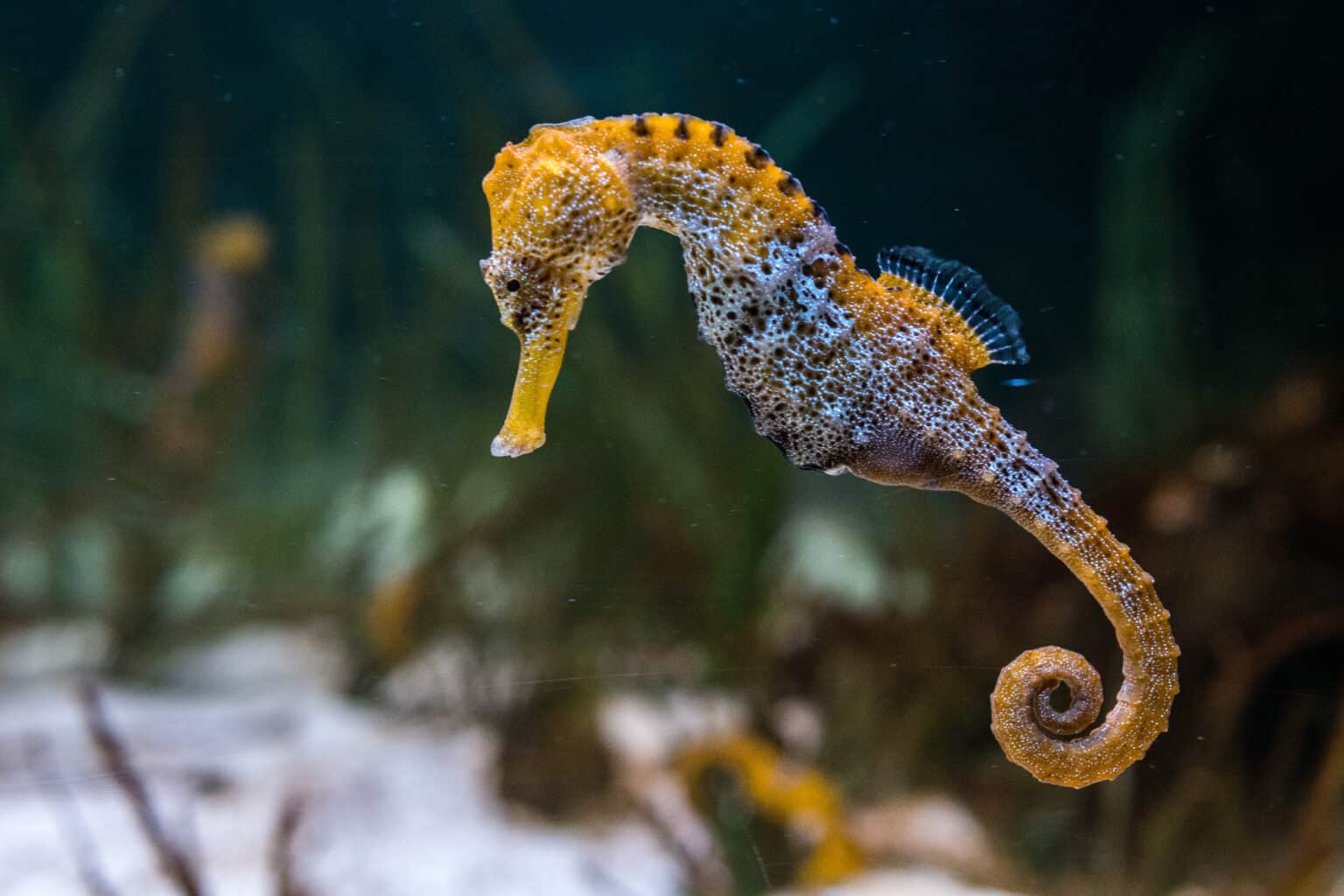
Mosquito!