Prehistoric Art
Ancient Middle East
Ancient Egypt
Ancient Greece
Rome Through Byzantine
100
This prehistoric era, spanning roughly 2.5 million to 10,000 BC, saw the creation of the earliest known cave paintings and rock art.
Paleolithic Age
100
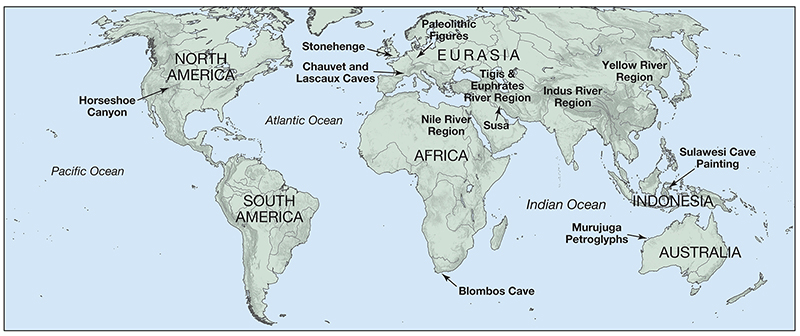
This region between the Tigris and Euphrates rivers is considered one of the cradles of ancient civilization.
Mesopotamia
100
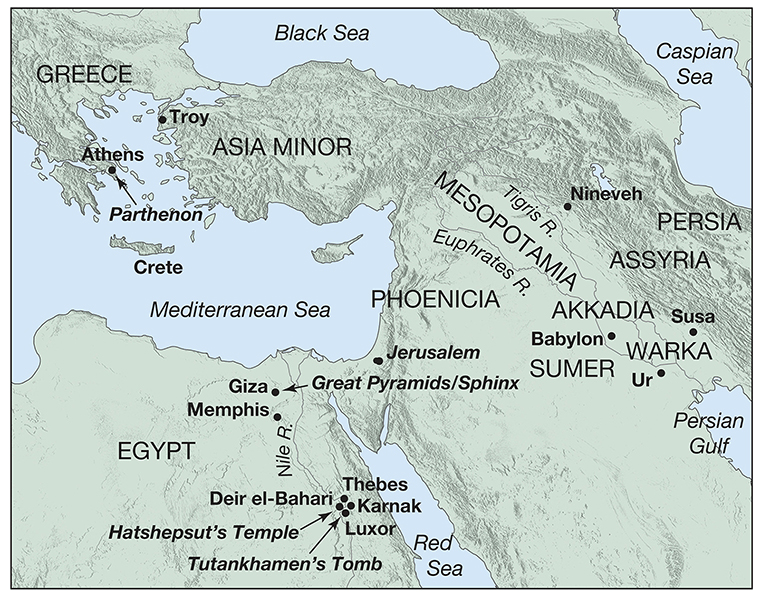
This great river, flowing through the heart of Egypt, was the lifeblood of ancient Egyptian civilization and agriculture.
The Nile
100
This early phase of ancient Greek civilization, spanning roughly 800 to 480 BC, saw the development of the first monumental sculpture and temple architecture.
Archaic Period
100
Built by the Flavian dynasty in the first century AD, this iconic Roman amphitheater could hold up to 80,000 spectators for gladiatorial combat and public spectacles.
The Colosseum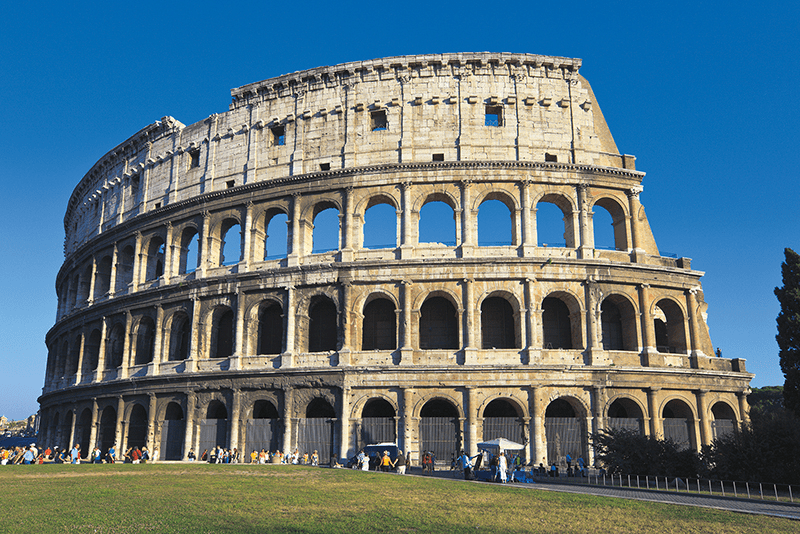
200
This small, 25,000-year-old carved figurine, discovered in Austria, is one of the most famous examples of Paleolithic sculpture.
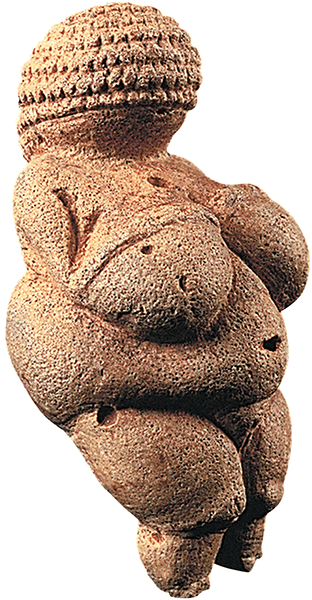
Woman of Willendorf
200
These massive, terraced temple structures were the defining architectural monuments of ancient Mesopotamian cities.
ziggurats
200
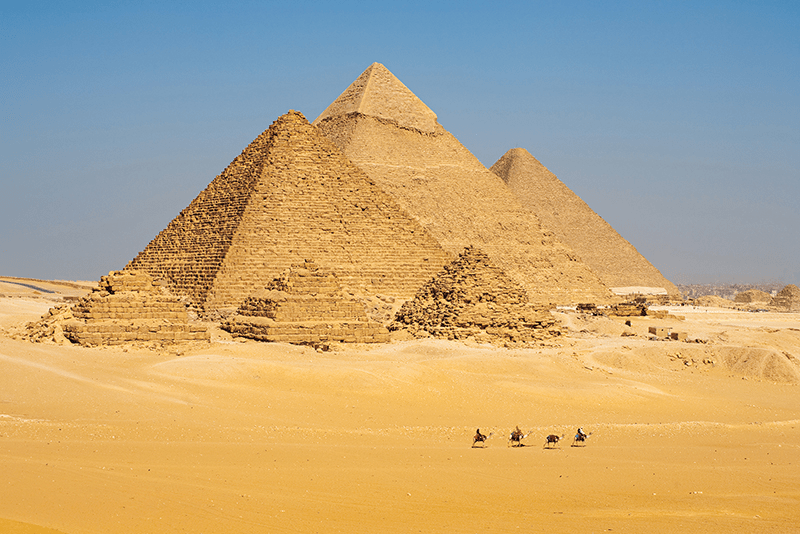
This Egyptian city is home to the Great Pyramids and Sphinx, among the most iconic monuments of the ancient world.
Giza, Egypt
200
This famous Greek sculpture by Polykleitos depicts an idealized male athlete representing the perfect proportions of the human body.
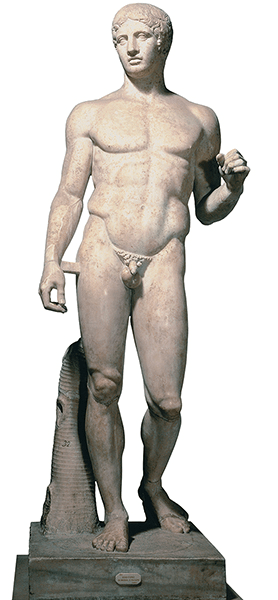
Spear Bearer (Doryphoros)
200
This remarkably preserved Roman temple, featuring a massive domed ceiling with a central oculus open to the sky, stands as a triumph of ancient engineering.
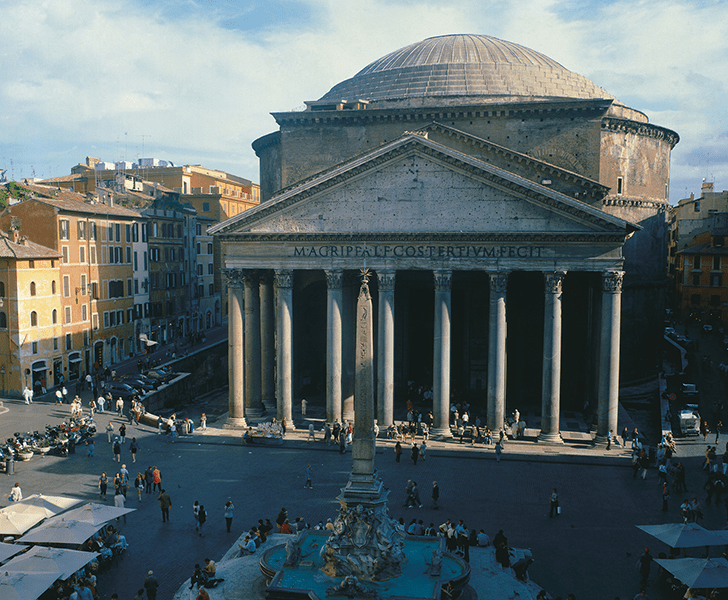
The Pantheon
300
This cave in southern France contains some of the oldest known prehistoric paintings, dating back over 30,000 years.
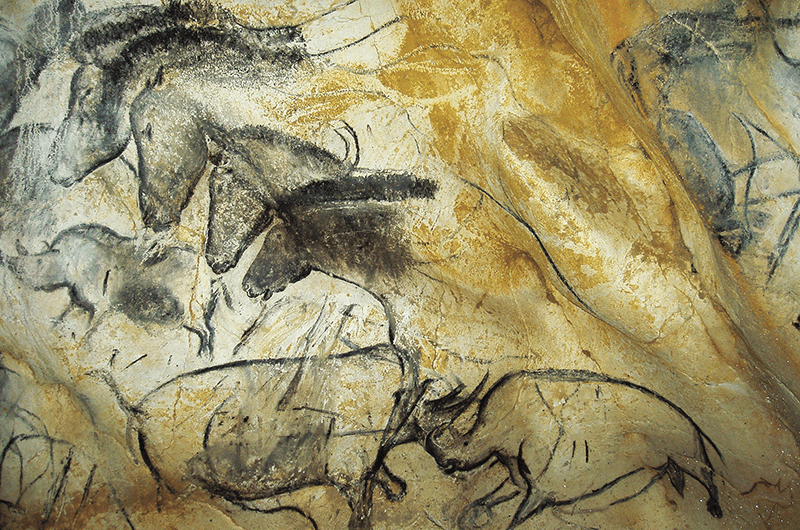
Chauvet Cave
300
Built by this Sumerian king, the great stepped temple at Ur stands as one of the best-preserved examples of ancient Mesopotamian architecture.
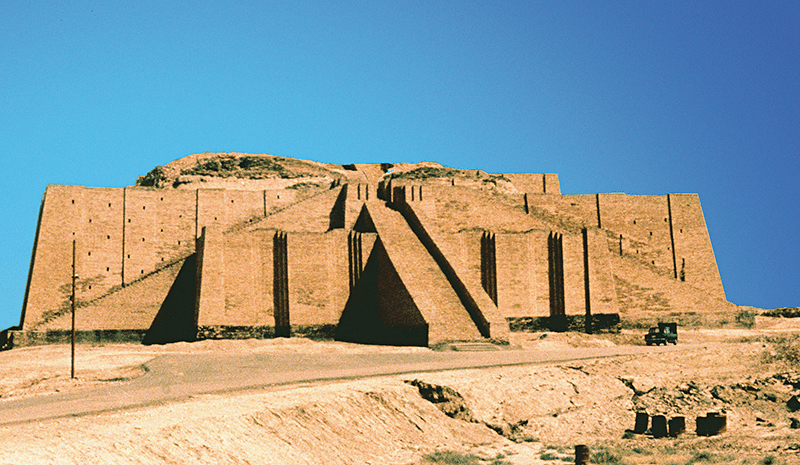
Ziggurat of Ur-Nammu
300
Towering pyramids, grand temples, and funerary sites make this art form the most enduring and monumental achievement of ancient Egyptian civilization."
Architecture
300
This Italian term describes the natural standing pose in Greek sculpture where the body's weight shifts to one leg, creating a relaxed, lifelike stance.
Contrapposto
300
This colossal marble portrait fragment of Rome's first Christian emperor reflects the shift away from naturalism toward the more stylized, imposing art of the late Roman empire.
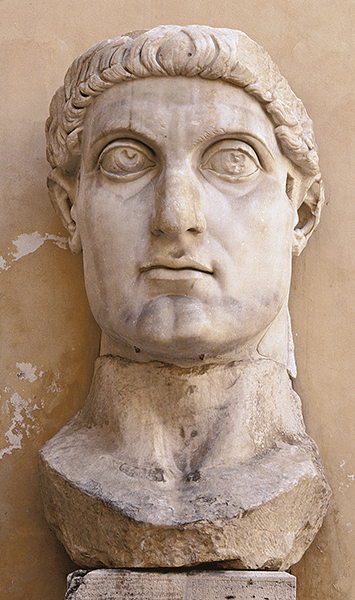
Head of Constantine
400
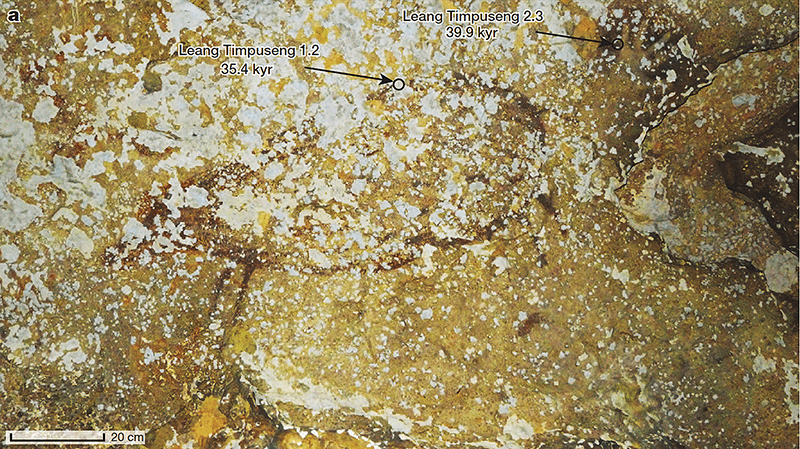
This island in Indonesia is home to the oldest known cave art in the world, dating back over 45,000 years.
Sulawesi
400
According to biblical legend, this ancient Mesopotamian tower was built to reach the heavens before God scattered its builders across the earth.
The Tower of Babel
400
This powerful female pharaoh commissioned one of ancient Egypt's most magnificent mortuary temples, built into the cliffs at Deir el-Bahari.
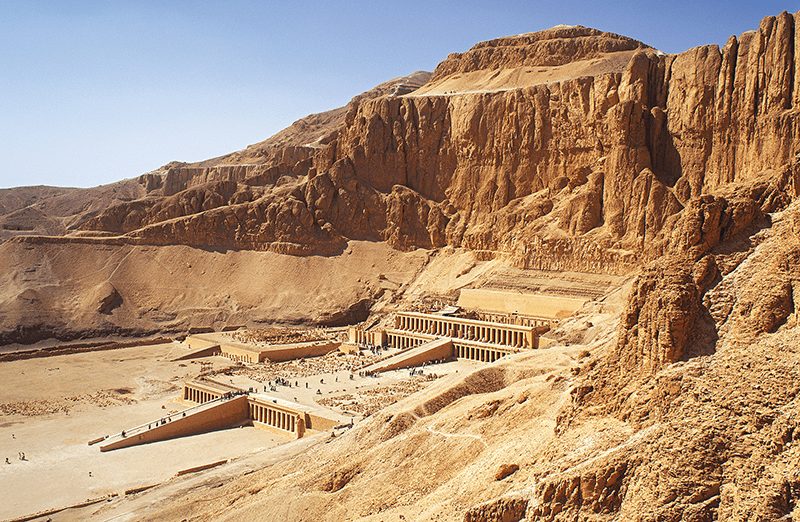
Queen Hatshepsut
400
This ancient Greek sculptural form depicts a standing nude male youth, with a rigid frontal pose reminiscent of Egyptian influence.
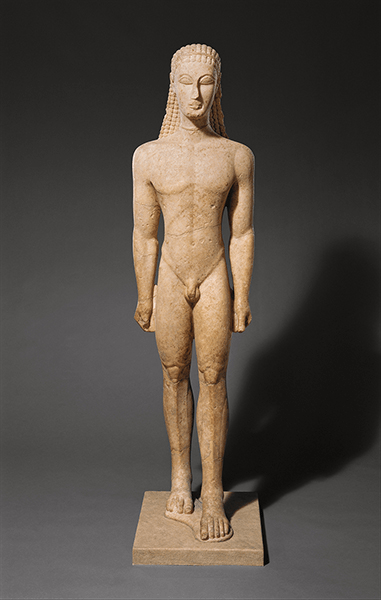
Kouros
400
These religious opponents in the Byzantine empire sought to destroy sacred images and icons, sparking a major theological controversy over the use of holy imagery in worship.
Iconoclasts
500
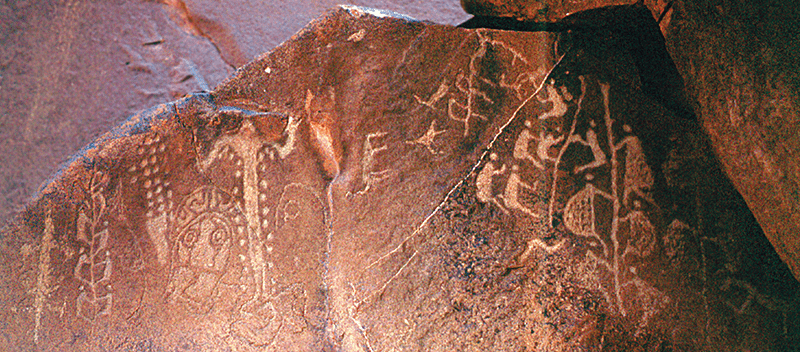
These prehistoric carvings or engravings made into rock surfaces are among the earliest forms of human artistic expression.
petroglyphs
500
This ancient civilization of southern Mesopotamia is credited with inventing one of the world's earliest writing systems, cuneiform.
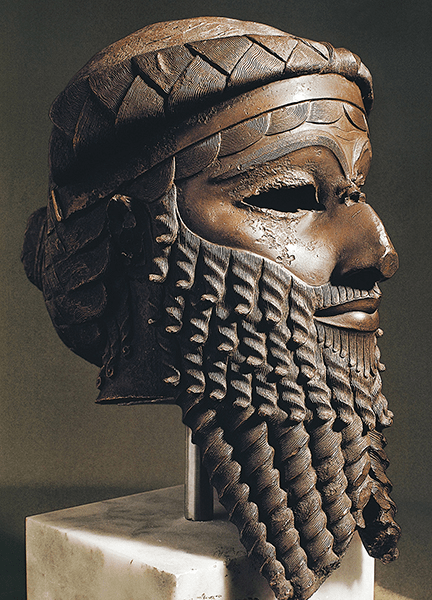
Sumeria
500
This Egyptian pharaoh is depicted in a famous trio of statues found at Giza, showing him flanked by the goddess Hathor and various nome deities.
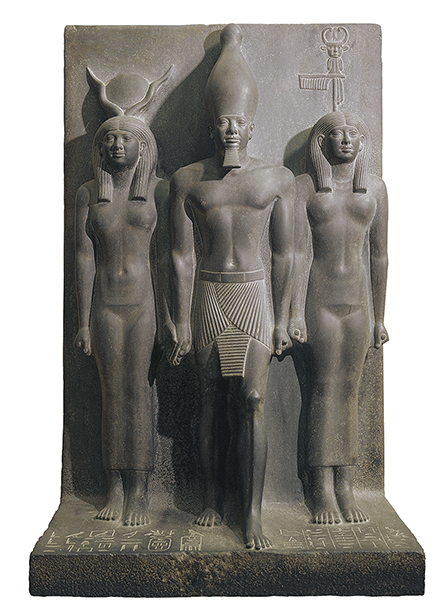
Mycerinus (Menkaura)
500
This subtle outward curve or bulge along the shaft of a Greek column was used to correct the optical illusion of concavity in temple architecture.
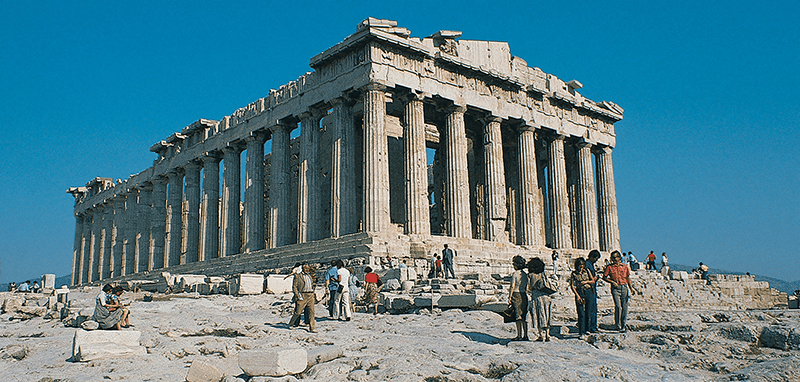
Entasis
500
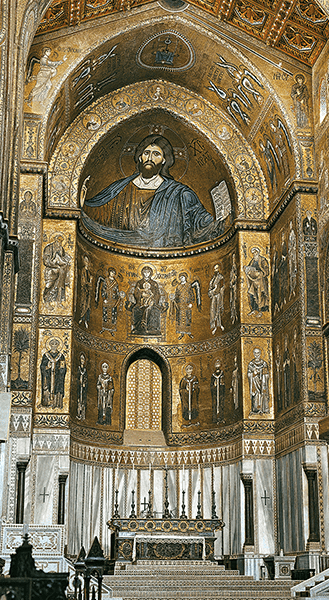
This iconic Byzantine image of Christ as 'Almighty Ruler of the Universe' was commonly depicted in the domes of Orthodox churches, gazing down upon worshippers below.
Pantocrator