3B
10E
11B
3C
2C
100
This is the rate of change of the graph of the linear equation 2x - 3y = 15.
What is 2/3
100
Factor
45x^2+9x
What is
9x(5x+1)
100
Simplify
(2x^12)/(6x^-3)
What is
x^15/3
100
This is the zero of the graph
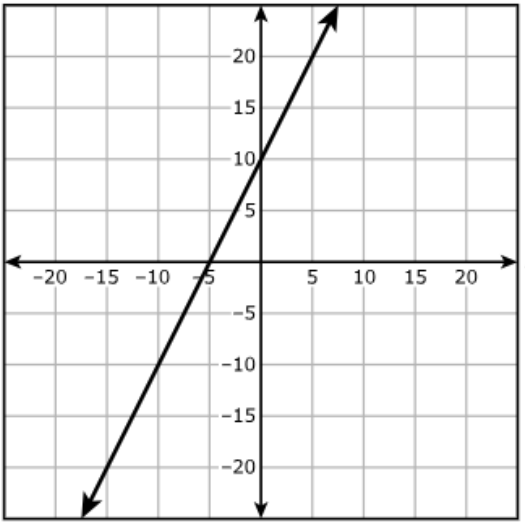
What is -5
100
This is the equation of the line in the graph in slope-intercept form
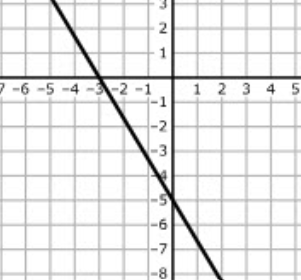
What is
y=-5/3x-5
200
This is the rate of change of the graph
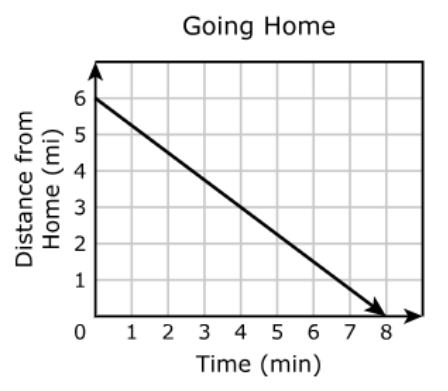
What is 3/4
200
Factor
x^2+2x-15
What is
(x+5)(x-3)
200
Simplify
(6y^3)^-2/y
What is
1/(36y^7
200
This is the slope of the graph of the line passing through the points (-7, -4) and (7, 6)
What is
5/7
200
This equation models: The total cost, y, for x tickets to a concert includes a flat fee for processing and a cost per ticket. One customer purchased 4 tickets for $160, and another customer pruchased 8 tickets for $300.
What is
y=35x+20
300
This is the rate of change of the table
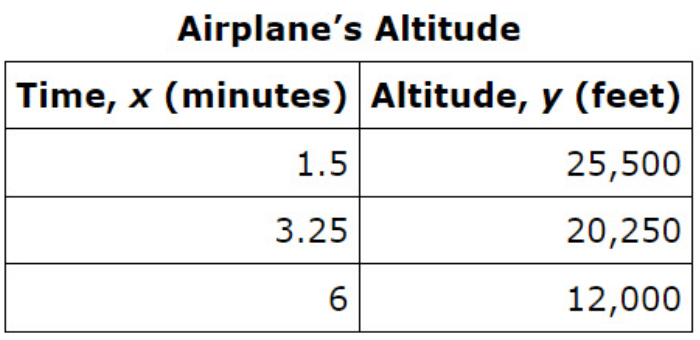
What is -3000
300
Factor
25x^2-36
What is
(5x-6)(5x+6)
300
Simplify
(16k^9m^7)/(4k^3m^14
What is
(4k^6)/m^7
300
This is the y-intercept of the graph
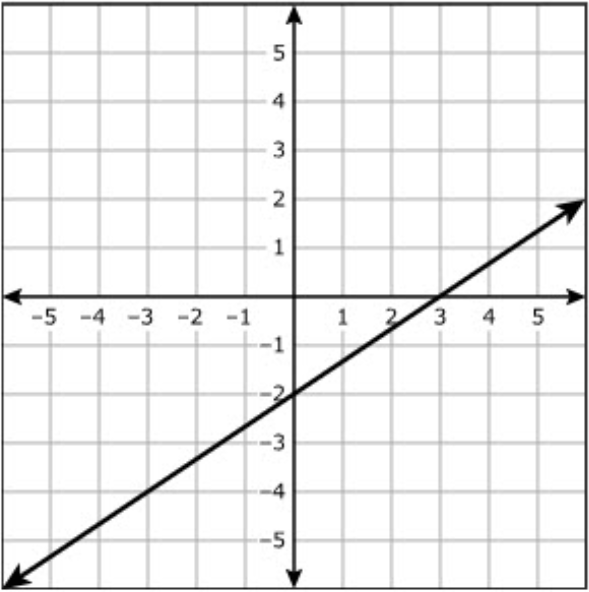
What is -2
300
This linear equation creates the table
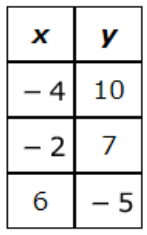
What is
y=-3/2x+4
400
This is the rate of change of the graph
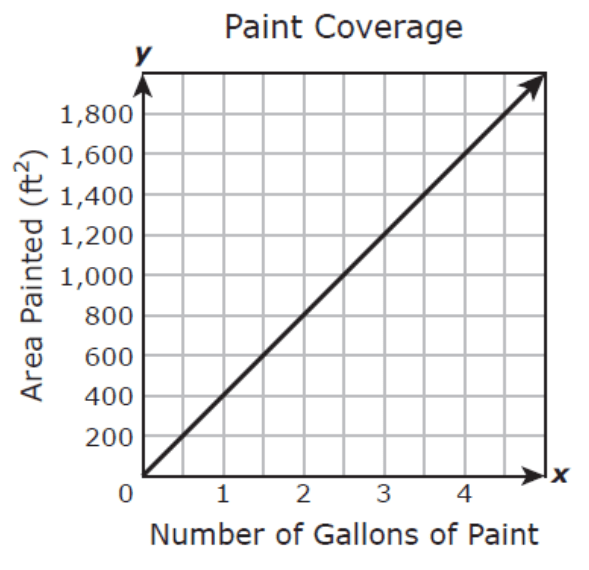
What is 400
400
Factor
6x^2+13x+5
What is
(2x+1)(3x+5)
400
Simplify
(x^(3/7))^2
What is
x^(6/7
400
This is the zero of the graph
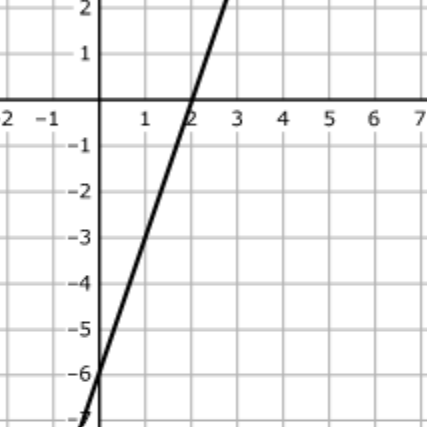
What is 2
400
Printer ink costs $18.99 per cartridge. The company that sells the ink cartridges charges a flat fee of $7.95. This linear function models the total cost, t, for a single order of c cartridges.
What is
t=18.99c+7.95
500
This is the rate of change of the table
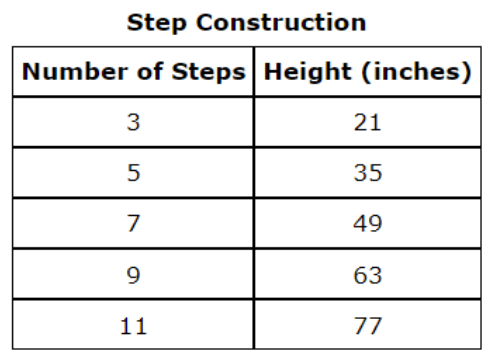
What is 7
500
Factor
4x^2+12x+9
What is
(2x+3)^2
500
Simplify
(c^8(d^6)^3)/c^2
What is
c^6d^18
500
This is the slope of the line with the equation
y=-4(x+3)-2
What is -4
500
This equation represents the graphed line.
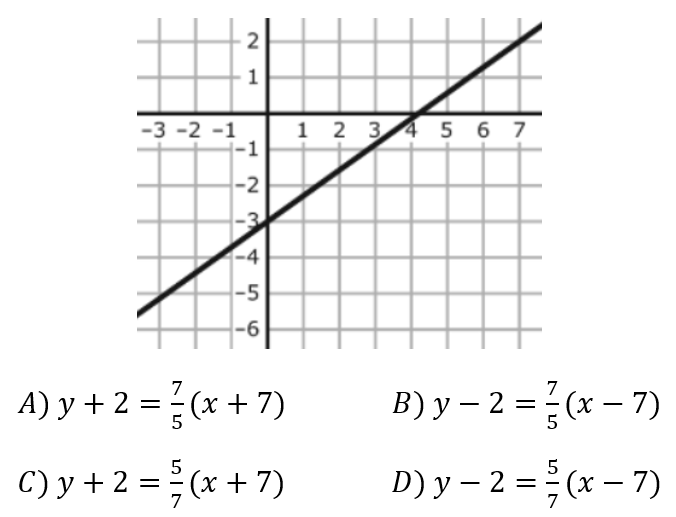
What is D