Matter
Observing Matter
Vocabulary
Modeling Matter
Properties of Matter
100
Name one object that is an example of matter.
examples: Table, door, person, air
non-examples: light, fire, electricity, gravity
100
Name the five senses.
Sight, Hearing, Taste, Smell, Touch
100
Using senses to gather information about an object
observe
100
Using data and facts to make a statement
conclude
100
A characteristic of an object such as its odor or color
property
200
The three main states of matter
solid, liquid, gas
200
Besides your sense, observations can be made using items like a meterstick or microscope. What are these items called?
Scientific Tools
200
When you tell about the traits or properties of an object
describe
200
An element is made up the same/different kinds of atoms
same
200
Surface structure that you can feel by touching
texture
300
What is the definition of matter?
Anything that has mass and takes up space.
300
How much space a material or object takes up
volume
300
Smallest part of an element that still has the properties of that element
atom
300
Identify the state of matter
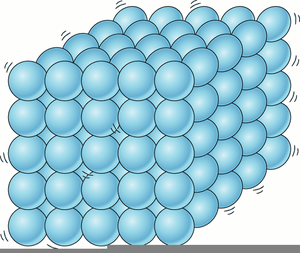
solid
300
Brass, aluminum, and copper are metals that are
Non-magnetic
400
Made up of only one kind of atom
element
400
to compare an object to a standard unit such as meters or grams
measure
400
Property of a material that refers to how well it dissolves in another material
solubility
400
Made up of two or more different types of atoms
compound
400
When an electric current flows through an object, it is called a
conductor
500
The state of matter with no definite shape or volume
gas
500
What is the scientific tool called that we can use to COMPARE the mass of two objects?
Balance
500
Measurement of how the particles are moving in an object
temperature
500
The idea that all material is made up of tiny particles
Atomic Theory
500
Type of property that can be observed, measured and described without changing the material
physical property