Week 6: Balance
Week 7: Burns, Ulcers, and PIs
Week 8: Amputations & Prosthetics
Week 9: Cancer & Lymphedema
Week 10: Psych & Cognition
Labs
100
Where is the center of gravity typically located in an adult?
Answer: Slightly anterior to S2.
Resource: Kisner pg 271
100
Which specific contractures are most likely to develop to a burn of the axilla?
Answer: Shoulder adduction and internal rotation
Resource: Myers table 14-6
100
Which group of muscles are recruited MORE with forward gait training and less with marching in place?
Answer: Hamstrings (and glutes)
Resource: O’Sullivan pg 1216
100
Why is liposuction considered the least effective treatment for lymphedema?
Answer: the surgery does not improve the system's ability to collect and transport interstitial fluid back to venous circulation
Resource: Kisner pg 1067
100
What ranges of blood glucose are contraindicated for exercise?
Answer: <70 or >300 mg/dL
Resource: Goodman & Fuller pg 768.e291
100
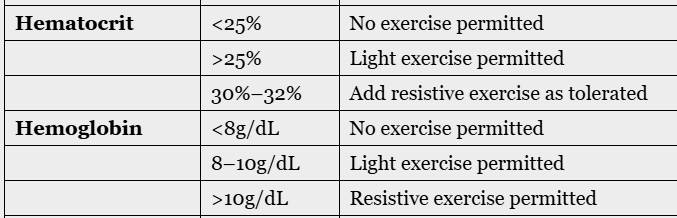
At what hemoglobin level is exercise contraindicated, regardless of gender?
Answer: <8 g/dL
Resource:
200
What is the term for the maximum range a person can shift their COG without changing their base of support or losing their balance?
Answer: Limits of stability
Resource: Kisner pg 271
200
Explain why static standing results in higher venous pressure in the lower extremities compared to walking or elevation.
Answer: Standing creates the highest pressure because gravity causes blood to pool in the lower extremities without the assistance of the calf muscle pump
Resource: Myers pg 269
200
During stair navigation descent with a transfemoral prosthetic on the right, which leg steps down first?
Answer: right leg (affected leg)
Resource: mod 2 concepts
200
Why are standing bent-over rows not an effective choice for UE lymphedema management?
Answer: The UEs are in a gravity dependent position
Resource: Kisner pg 1074
200
Define perception
Answer: Perception is the psychological interpretation of sensory input into something meaningful.
Resource: O’Sullivan pg 1055
200
What is the normal value range for Sodium?
Answer:135–145 mEq/L
Resource: Table E12.2
300
Which system is the primary source of balance information when standing on a firm, flat, and stable surface
Answer: somatosensory system
Resource: Kisner pg 273
300
Why is a hydrocolloid dressing often preferred over foam dressing for an arterial ulcer?
Answer: Arterial ulcers typically have little to no exudate and require hydration to heal. Hydrocolloid is the MOST occlusive and can trap any moisture or added topical agents.
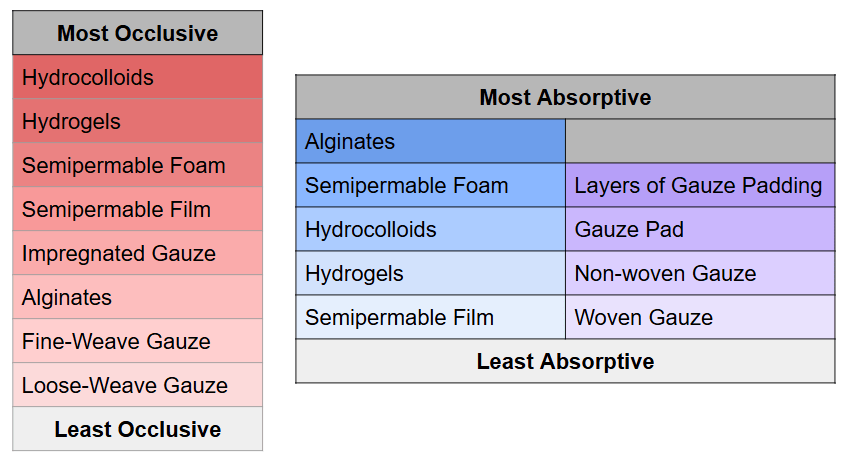
Resource: Myers Figure 7-3 and 7-4
300
How can a loose socket fit cause a "whip" during the swing phase of gait?
Answer: A loose socket fails to maintain a firm grip on the residual limb, allowing the prosthesis to rotate or pivot during the acceleration of the swing phase
Resource: Table 31.3
300
Why is limb elevation not an appropriate intervention for a patient with stage 3 lymphedema?
Answer: The physical condition of the limb has progressed beyond simple fluid accumulation.
Resource: Kisner pg 1074
300
Name 2 interventions that incorporate the neurofunctional approach
Answer: Must include function, specific to a task, real-life application, to form habits
Resource: O’Sullivan pg 1058
300
What is the normal range PaCO2?
Answer: 35-45 mmHg
Resource: Table E12.18
400
During the mCTSIB, if a patient is standing on a foam surface with their eyes closed, what system are they relying on to prevent them from falling?
Answer: Vestibular system
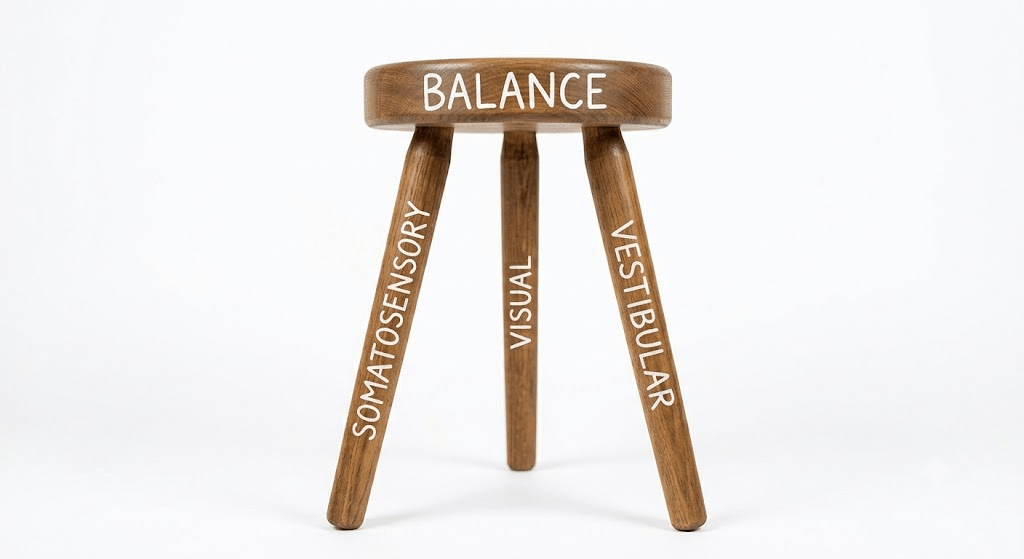
Resource: Kisner pg 283
400
When is a sterile technique preferred over a clean technique in burn care?
Answer: Extensive burns or patients who are immunocompromised
Resource: Myers pg 388
400
List 3 pressure-tolerant regions for transtibial prosthetic fit
Answer: Tibial medial & lateral flares, Lateral fibula, Patellar ligament, Posterior calf
Resource: O’Sullivan pg 1187
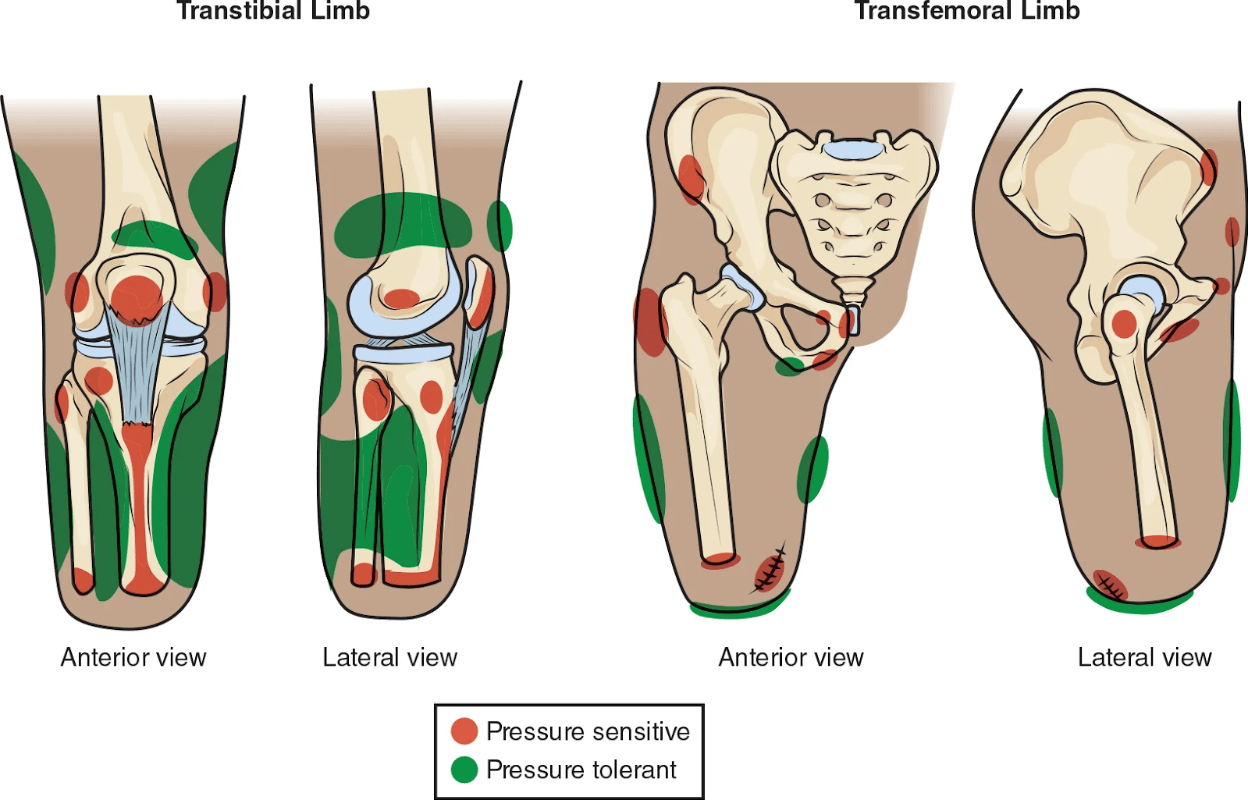
400
Describe how short stretch (low-stretch) bandaging is used in phase 1 and phase 2 of lymphedema care
Answer: Short-stretch bandages are worn 24 hours a day during Phase I for active reduction and continue to be worn at night during Phase II to maintain those results
Resource: Kisner pg 1065
400
List 3 appropriate interventions for a patient with osteomalacia
Answer: Anything weight bearing to improve bone density, avoid high impact, and challenge balance
Resource: Goodman & Fuller pg 540 (pg 538 referencing osteoporosis)
400
What is the normal range for bicarbonate?
Answer: 22-26mEq/L
Resource: Table E12.18
500
During ankle strategy, what is the order of muscle activation for forward loss of balance?
Answer: Gastrocnemius → hamstrings → paraspinals
Resource: Kisner pg 275
500
During which phase of healing can modalities like ultrasound and scar management be used on a patient s/p severe burns?
Answer: Chronic phase (remodeling and maturation phase)
Resource: Myers pg 396
500
List 3 pressure-tolerant regions for transfemoral prosthetic fit
Answer: Ischial tuberosity, Lateral residual femur, Posterior thigh
Resource: O’Sullivan pg 1187
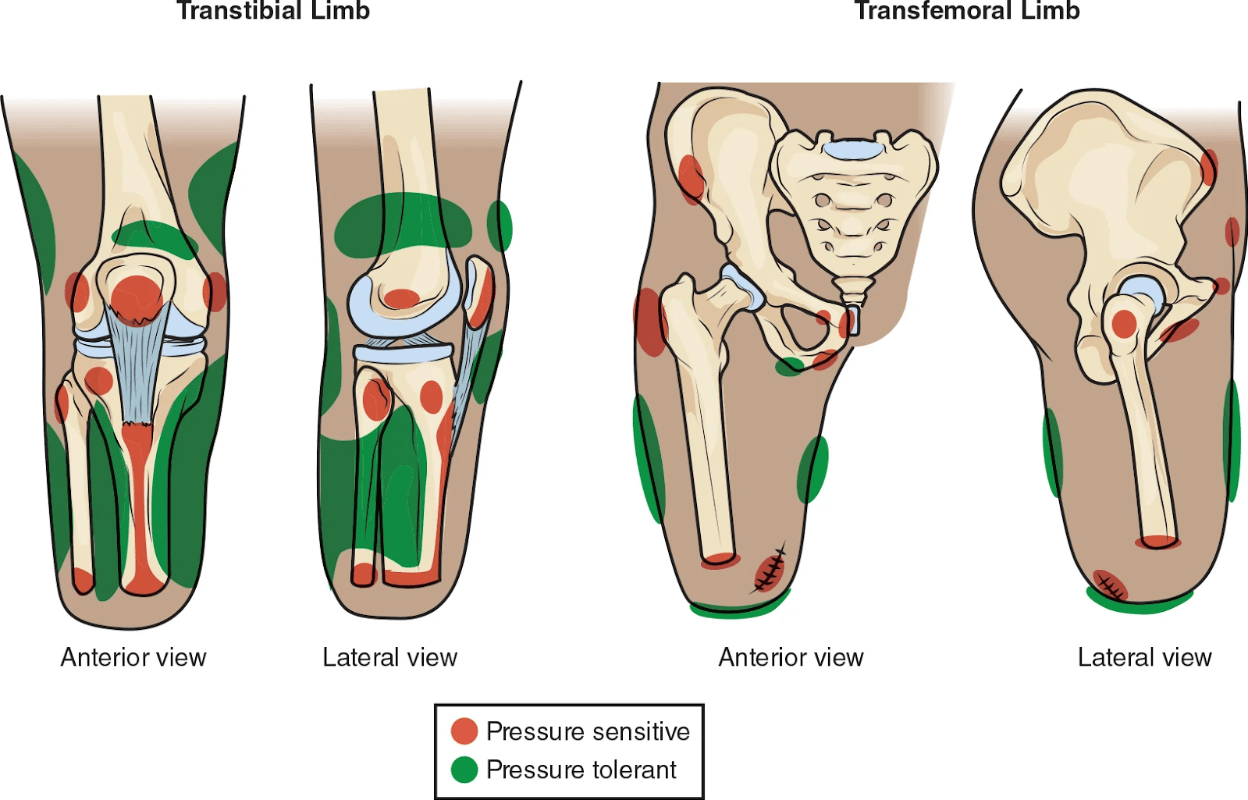
500
Name 3 precautions/contraindications for compression therapy for patients with lymphedema
Answer: Acute Infection, Pulmonary edema, Congestive Heart Failure, Diabetes with sensory deficits, Arterial disease, Renal Insufficiency, DVT
Resource: Beherns pg 477. Myers pg 435: Box 15–3
500
List 3 things that exercise can improve for a patient with diabetes type 2
Answer: Improves insulin sensitivity and action, body weight, A1C levels, lipid/fat levels, reduce cardiovascular risk and reduces insulin resistance
Resource: Kisner pg 1087
500
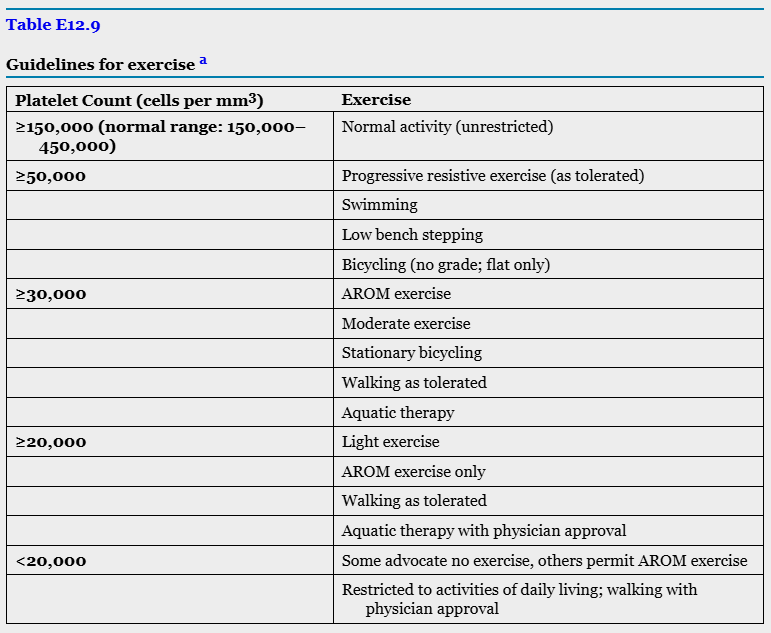
Contrast the exercise limitations for a patient with a platelet count of 25,000/μL versus a patient with a count of 18,000/μL
Answer:
<20,000: MD approval: ADL and walking
≥20,000: Light exercise: AROM and walking
≥30,000: Moderate exercise
≥50,000: Progressive resistive
Resource: