Week 1 Hematologic
Week 2 Aerobic
Week 3 Cardiac
Week 4 Pulmonary
Positions
Numbers
100
Question: How much should systolic blood pressure change with an increase in activity by one MET?
Answer: Increase 7-10 mmHg per MET
Resource: Goodman & Fuller Appendix B
100
Question: What are the 4 different types of exercise training that challenge the aerobic system?
Answer: Continuous, Interval, Circuit, Circuit interval
Resource: Kisner pg 262
100
Question: What precautions follow a sternotomy, and for how long?
Answer: No pulling, pushing, or lifting greater than 10 lbs. for six weeks
Resource: Goodman & Fuller pg 266
100
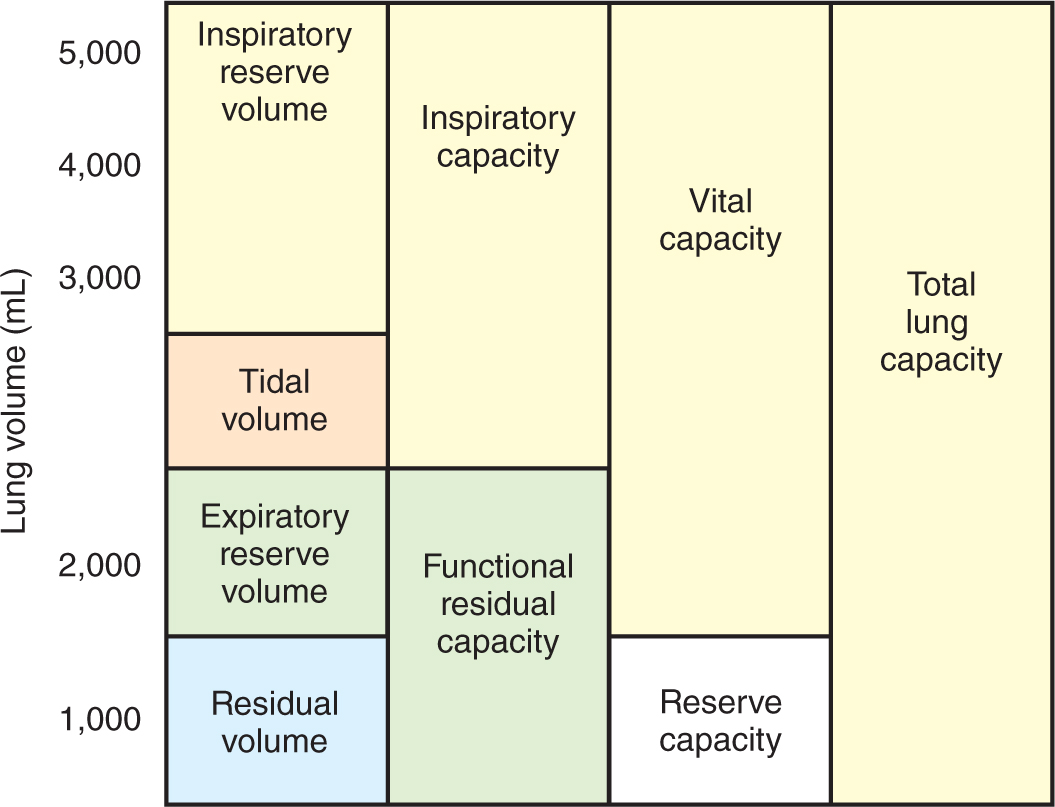
Question: What is the volume or capacity that contains the lungs maximal volume?
Answer: Total lung capacity
Resource: Samuels-colt Ch 6 Figure 6.5
100
Name this position
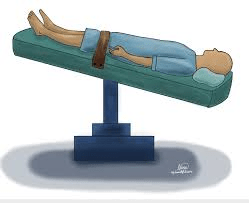
Answer: Trendelenburg
100
Question: What MET range defines moderate activity?
Answer: 3-6 METs (3-5.9)
Resource: Kisner pg 256
200
Question: Why is exercise contraindicated with a potassium level of 5.3 mEq/L?
Answer: Can cause cardiac arrhythmias or arrest
Resource: Goodman & Fuller pg 7.68E289
200
Question: Define Fitness
Answer: The ability to perform physical work, measured by VO2max
Resource: Kisner pg 253
200
Question: What part of the GI tract is a colostomy surgically implanted?
Answer: Large intestine
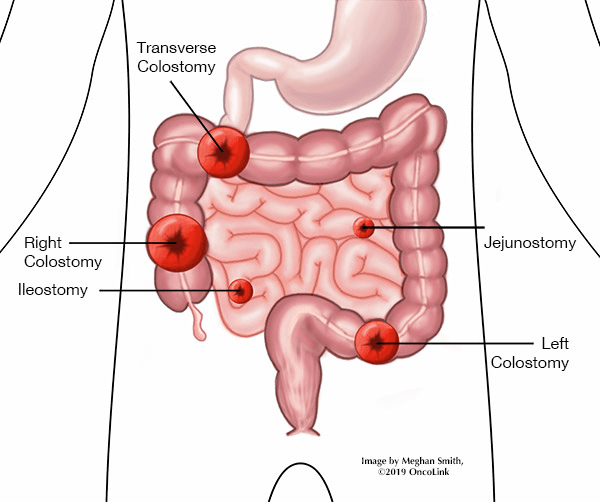
Resource: Mobility in context Table 3-2
200
Question: During forced inspiration, which muscles elevate the sternum and first ribs in a “pump-handle” motion?
Answer: SCM (and scalenes)
Resource: Samuels-colt pg 128
200
Question: Which position needs to be avoided for patients with heart failure?
Answer: Feet elevated (trendelenburg)
Resource: Goodman & Fuller pg 283
200
Question: What ABGs will be present in a patient with obstructive lung disease?
Answer:
pH <7.35
PaCO2 >45 mmHg
PaO2 <75 mmHg
Resource: Goodman & FUller pg 768.e284
300
Question: What type of strengthening activities are contraindicated for patients with aPTT of 120 seconds?
Answer: Bodybuilding, powerlifting, or competitive weightlifting
Resource: Goodman & Fuller pg 349
300
Question: How long should a patient’s aerobic exercise last if they are able to maintain 70% HRmax?
Answer: 20-30min
Resource: Kisner pg 260
300
Question: The valsalva maneuver is contraindicated for patients in cardiac rehab due to the direct effect on their cardiac output. How does it affect the cardiac output equation?
Answer: Decreases venous return which decreases stroke volume therefore resulting in decreased cardiac output
Resource: O’Sullivan pg 418
300
Question: What is the BEST component of pulmonary rehab to prevent atelectasis?
Answer: Incentive Spirometer
Resource: O’Sullivan pg 408
300
Question: Which position needs to be encouraged for patients with hypertension?
Answer: Head elevated (fowlers)
Resource: Goodman & Fuller pg 273
300
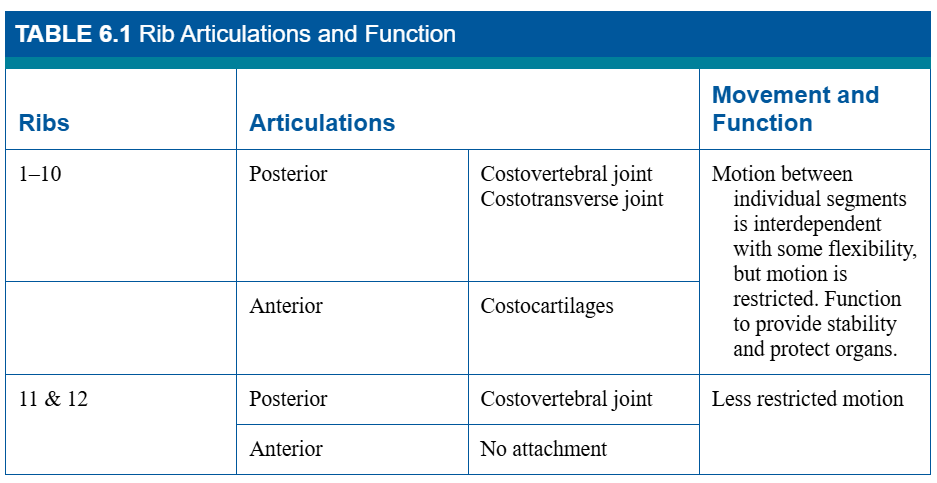
Question: Which ribs form the costotransverse joints?
Answer: Ribs 1-10
Resource: Samuels-cold Table 6.1
400
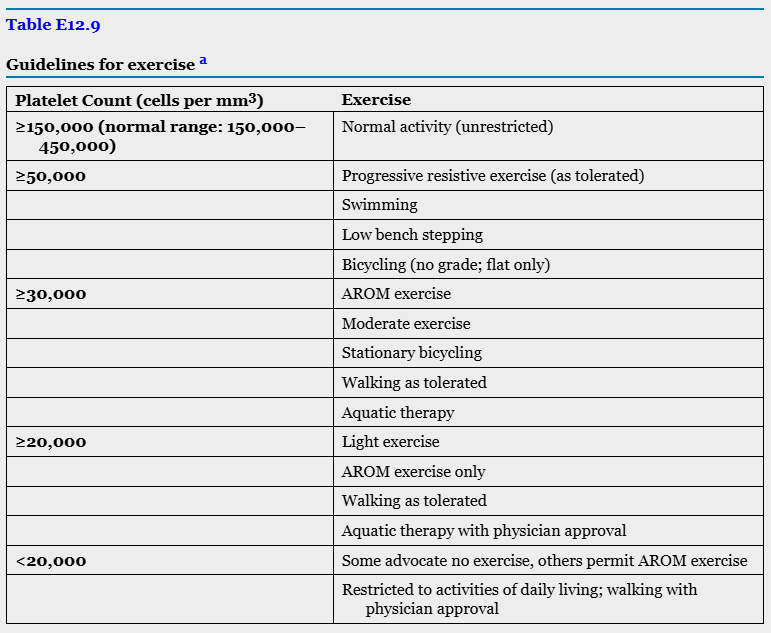
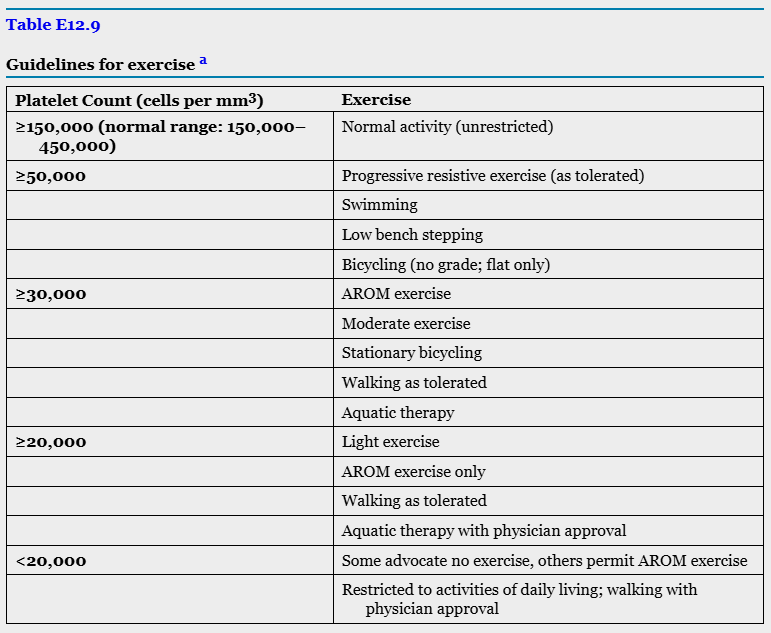
Question: What activities are permitted for a patient whose platelet level is 20,000 - 30,000 cells/mm3?
Answer: Light exercise: AROM and walking
Resource:
400
Question: When designing an interval training program with a 1-minute work phase, what is the longest allowable rest interval that preserves an aerobic challenge?
Answer: 90 seconds (1 min x 1.5)
Resource: Kisner pg 262
400
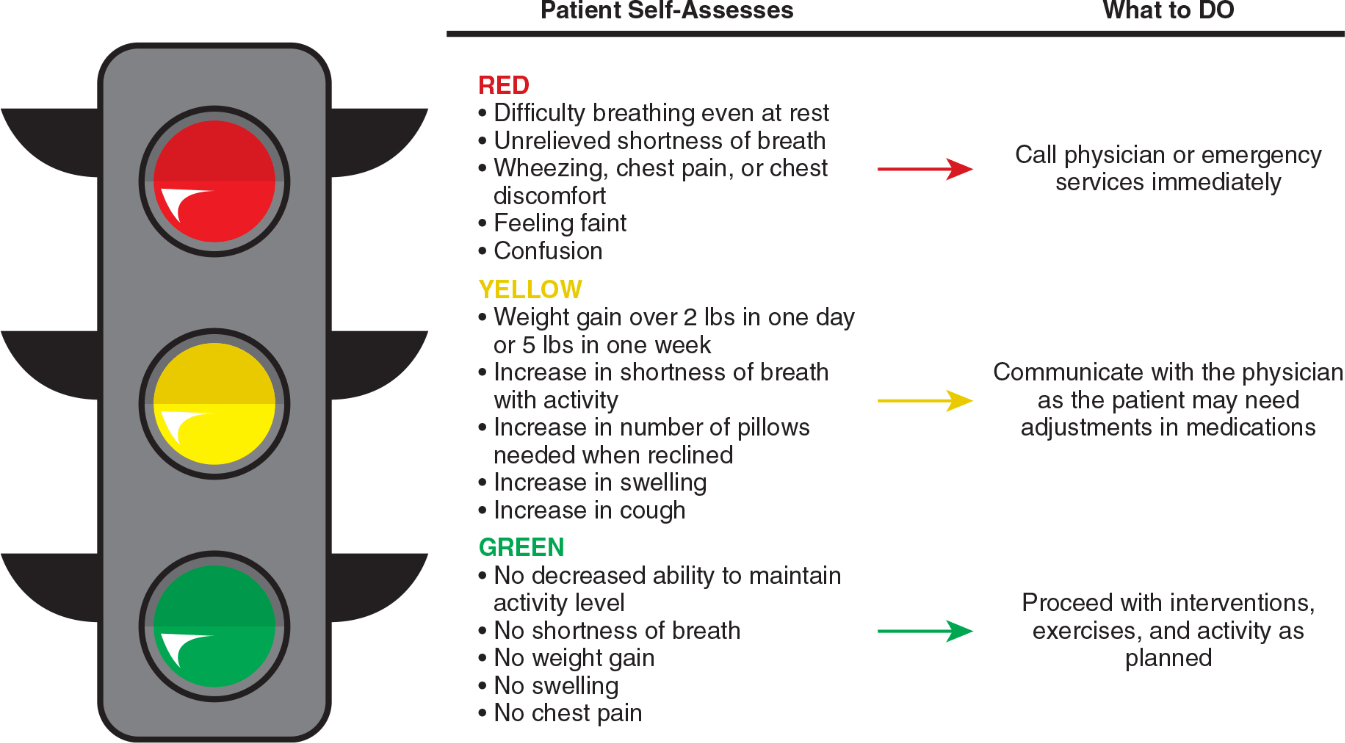
Question: Name 3 components of the yellow zone in the patient self-assessment tool for heat failure recompensation
Answer:
Weight gain >2lb in 1 day or >5lb in a week
Increased shortness of breath with activity
Increase in # of pillows when reclining
Increased swelling
Increased coughing
Resource: O’Sullivan Figure 13-22
400
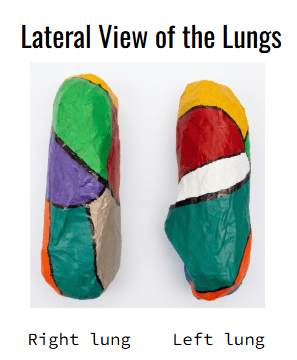
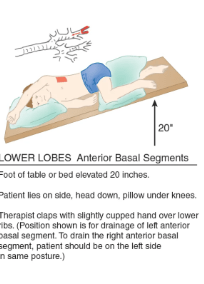
A patient with pulmonary edema secondary to CHF requires postural drainage of the left lower lobe anterior basal segments. How would you position this patient?
Answer: Sidelying on the right with bed flat (Not elevated 20 inches)
Resource: Goodman & Fuller pg 283 + O’Sullivan pg 408
400
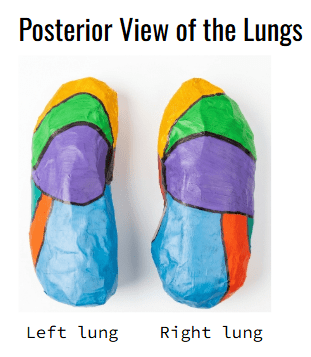
Question: What patient position is used for postural drainage of the lower lobe posterior basal segments?
Answer: Prone with head down, pillow under the hips, and foot of table elevated 20 inches.
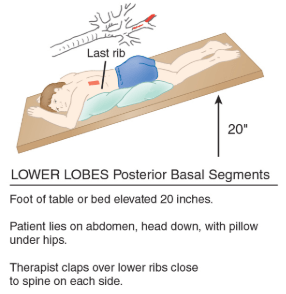
Resource: O’Sullivan pg 408
400
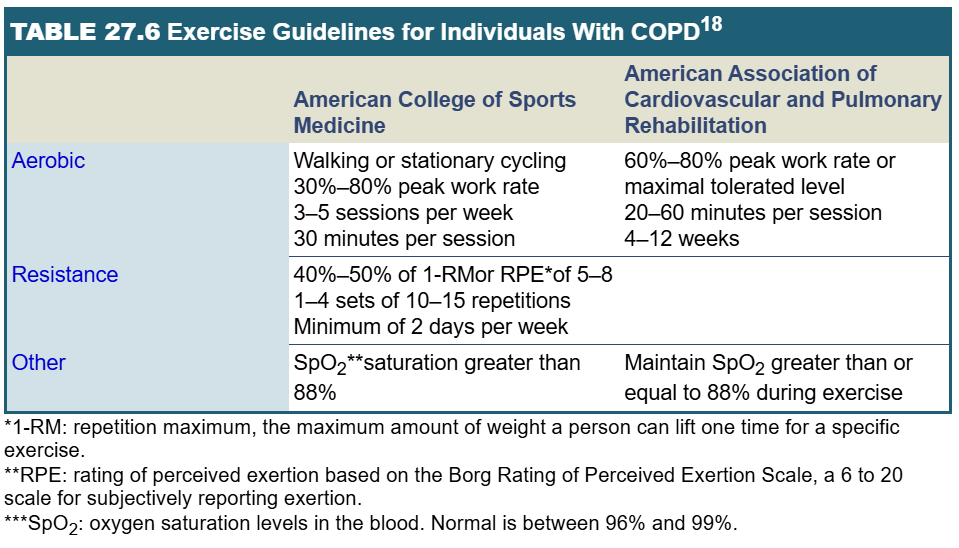
Question: For patients with COPD what does the American association of cardiovascular and pulmonary rehab recommend to maintain SPO2 at during exercise?
Answer: 88% or greater
Resource: Kisner table 27.6
500
Question: What is a common cardiac physiological compensation seen in patients with anemia?
Answer: Tachycardia
Resource: Goodman & Fuller pg 328
500
Question: What is the Karvonen formula equation?
Answer: Kisner pg 260
Max HR = 220 - age
Target HR = [(Max HR - resting HR) x % Intensity] + resting HR
Resource: Kisner pg 260
500
Question: List 5 clinical signs or symptoms that would indicate the PTA should terminate exercise
Answer: New-onset or provoked angina, fainting, dizzy, severe dyspnea, nausea/vomiting, SBP dropped >10 mmHg, SBP >250 mmHg, DBP >115 mmHg, confusion, >6 irregular heartbeats per minutes, cyanosis/pallor, hypotension, significant coughing, unsteady gait, temperature of >100F,
Resource: Goodman & Fuller pg 267
500
Question: How does the tripod position improve the mechanics of breathing?
Improves the diaphragm’s ability to generate force due to shifting of abdominal contents
Allows the pectoral muscles to help lift the ribs during breathing due to closed chain positioning.
Resource: Samuels-colt pg 129
500
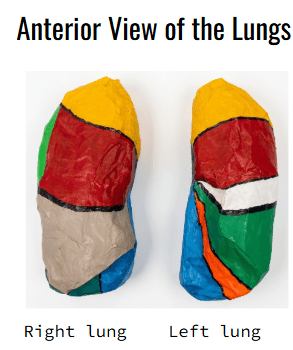
Question: What patient position is used for postural drainage of the upper lobe apical segments?
Answer: Lean back on pillow at 30 degrees
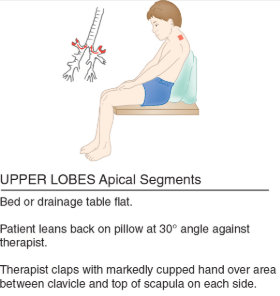
Resource: O’Sullivan pg 408
500
Question: At what platelet level is stationary cycling permitted without resistance?
Answer: ≥30,000 μL
Resource: Goodman & Fuller pg 768.e284