MRS GREN Random
Skeletal System
Muscular System
Respiratory System
Circulatory System
Light and Sound
100
The process a living thing goes through to get bigger.
What is Growth?
100
Bands that attach two bones together.
What are ligaments?
100
Pieces of soft tissue in your body that help you move.
What are muscles?
100
The process in which we breathe in and out.
What is breathing?
100
These blood vessels move blood towards the heart.
What are veins?
100
The black dot in the middle of your eye that lets light in.
What is the pupil?
200
This organism's latin name is Felis catus.
What is a cat?
200
A joint that allow full rotation of movement.
What is a ball-and-socket joint?
200
Bands that attach muscle to bone.
What are tendons?
200
The dome-shaped muscle beneath our lungs which is responsible for helping us breathe.
What is the diaphragm?
200
These are like the 'waiting rooms' for blood and are the top chambers of the heart.
What are atria?
200
The thin membrane that shakes when sound waves reach it. These vibrations get passed on to the tiny bones in your ear.
What is the ear drum?
300
The process which a living thing gets rid of waste and is the E in MRS GREN.
What is Excretion?
300
The bone located in your upper arm.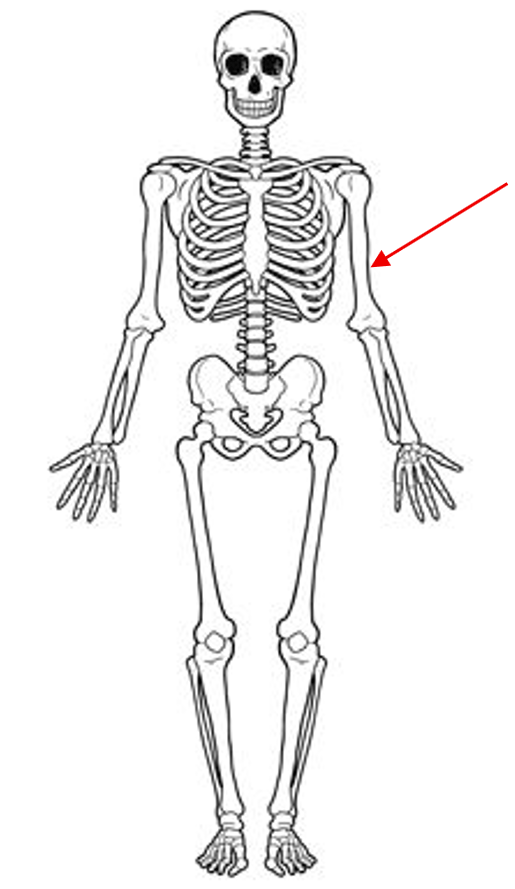
What is the humerus?
300
The muscle that straightens your arm. It works opposite the bicep.
What is the tricep?
300
First branched tubes- takes air from Trachea into the Left and Right Lung.
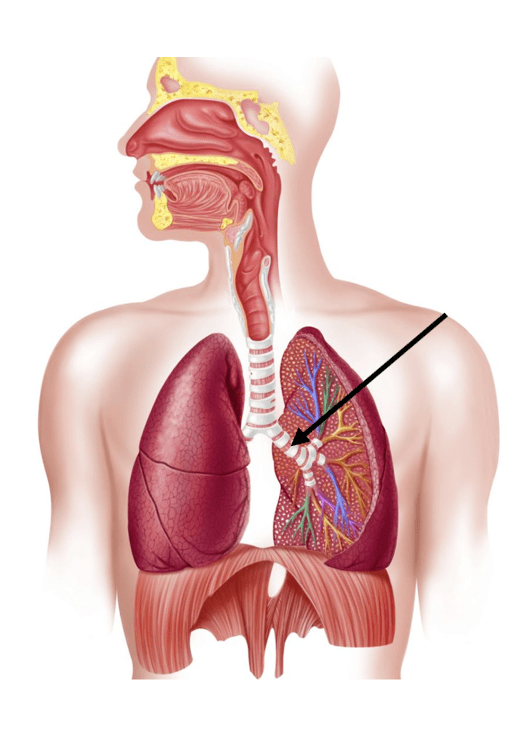
What are the bronchi?
300
One way gates that keep blood flowing in one direction.
What are valves?
300
The outer part of the ear that 'funnels' sound into the ear.
What is the Pinna?
400
The level of classification that is the broadest.
What is the Kingdom?
400
The longer bone in your forearm that sits on the same side as your pinky.

What is the ulna?
400
The tightening, shortening of muscles. An example of this is when the arm moves upwards.
What is contraction?
400
The air sacs in our lungs where gas exchange occurs.
What are alveoli?
400
The blood vessels that are responsible for transporting blood between veins and arteries.
What are capillaries?
400
The delicate layer of tissue at the back of the eye that converts light to electrical impulses.
What is the Cornea?
500
The Swedish scientist responsible for creating the binomial naming system.
Who is Carolus Linnaeus?
500
A barrier that stops the synovial fluid from escaping.
What is the synovial membrane?
500
The muscle located at the back of your lower leg and is also known as your calf muscle.

What is the Gastrocnemius?
500
The gas that is needed to make energy.
What is oxygen?
500
The liquid part of our blood that is responsible for carrying hormones, nutrients and proteins?
What is Plasma?
500
Light‑sensing cells in your retina that let you see colours like red, green, and blue. They work best in bright light.
What are cones?