Name That Rash
Location, Location, Location
Derm Detective
Treat It!
Refer or Reassure?
100
A patient has intensely pruritic, chronic, relapsing eczematous plaques predominantly involving the flexural surfaces, with a personal history of asthma and allergic rhinitis.
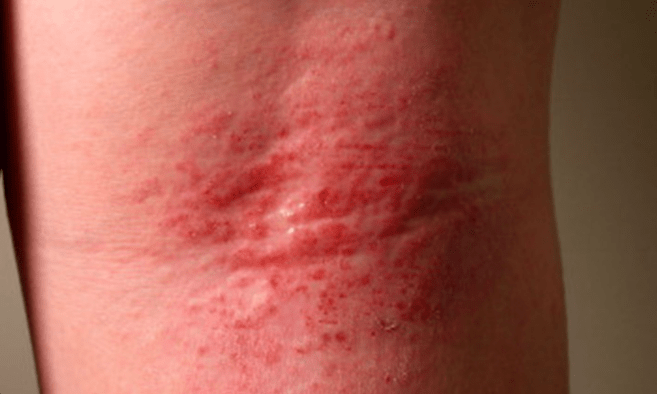
What is atopic dermatitis?
100
This common inflammatory condition favors the scalp, eyebrows, nasolabial folds, ears, and central chest and produces greasy scale.
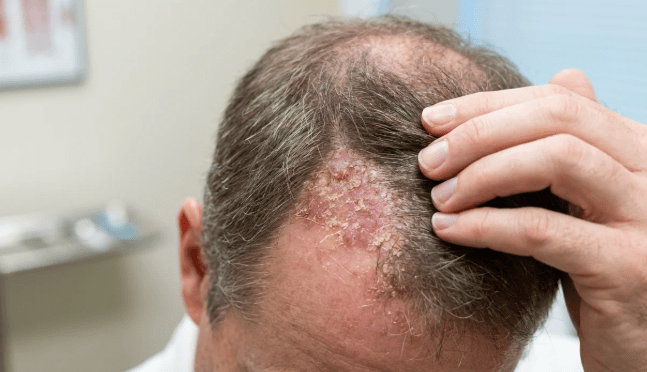
What is seborrheic dermatitis?
100
A patient develops a solitary oval, salmon-colored plaque with a collarette of scale. Several days later, numerous smaller lesions erupt along the skin-cleavage lines of the trunk. Name both the diagnosis and the initial lesion.
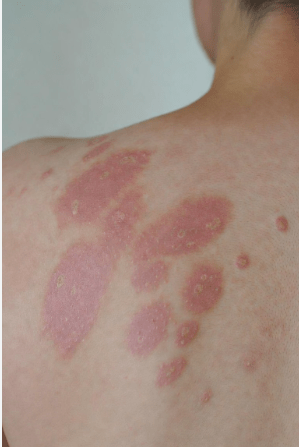
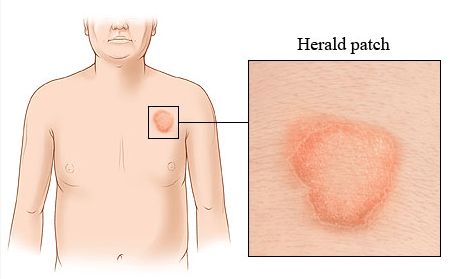
What are pityriasis rosea and the herald patch?
100
Regular use of thick fragrance-free emollients, avoidance of triggers, and appropriately potent topical corticosteroids during flares form the backbone of therapy for this chronic inflammatory condition.
What is atopic dermatitis?
100
A healthy adult develops a herald patch followed by a classic Christmas-tree eruption. Aside from symptomatic treatment for pruritus, the appropriate approach for most patients is this.
What is reassurance and observation?
Pityriasis rosea generally resolves spontaneously over several weeks.
200
A patient develops erythematous, pruritic plaques confined to the area underneath a new nickel-containing belt buckle.
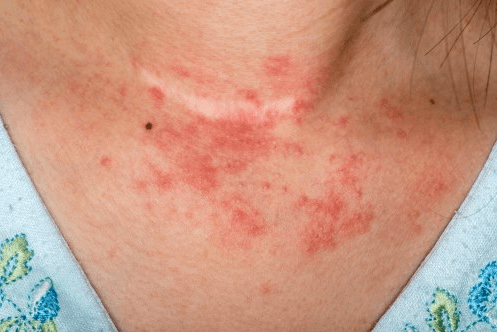
What is allergic contact dermatitis?
200
This inflammatory rash occurs where skin contacts skin, particularly beneath the breasts, abdominal pannus, groin, and axillae.
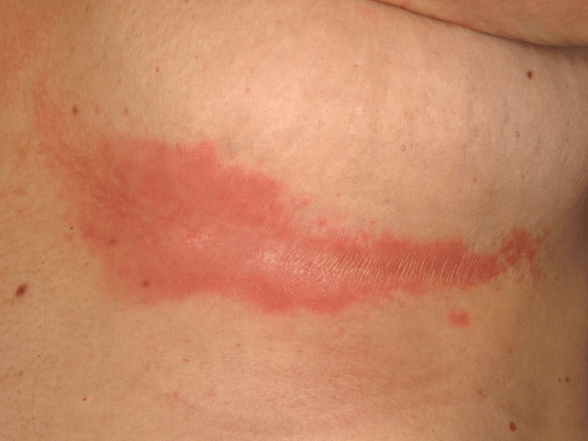
What is intertrigo?
200
A hospitalized patient develops sharply demarcated erythema beneath an adhesive dressing. The rash corresponds precisely to the area of exposure. This distribution provides the strongest clue to this diagnosis.
What is contact dermatitis?
200
A patient develops an itchy eczematous eruption after changing laundry detergent. In addition to topical corticosteroids, the most important therapeutic intervention is this.
What is identification and avoidance of the offending irritant or allergen?
200
A patient with suspected allergic contact dermatitis continues to have recurrent disease despite careful attempts to avoid potential triggers. Dermatology referral can identify the culprit using this diagnostic procedure.
What is patch testing?
300
An older adult develops intensely pruritic, coin-shaped eczematous plaques on the extremities during the winter.
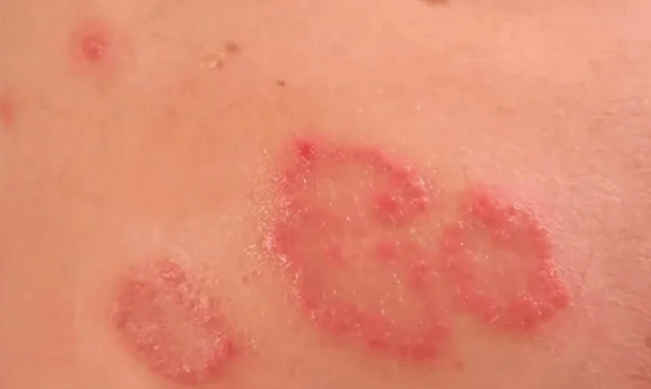
What is nummular eczema?
300
Unlike atopic dermatitis, this papulosquamous disease classically favors extensor surfaces, particularly the elbows and knees, as well as the scalp and gluteal cleft.
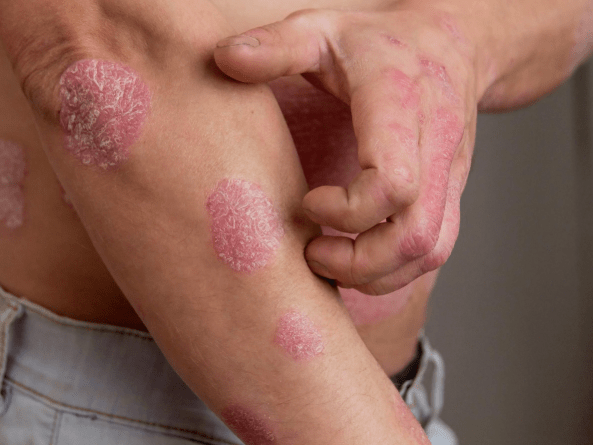
What is psoriasis?
300
A patient with chronic lower-extremity edema develops brown discoloration and an itchy eczematous eruption around both ankles. The brown pigmentation primarily results from deposition of this iron-containing breakdown product.
What is hemosiderin?
Chronic venous hypertension → RBC extravasation → hemosiderin deposition.
300
A patient with greasy scale of the scalp and nasolabial folds can often be treated with shampoo or cream containing this antifungal medication.
What is ketoconazole?
300
A patient with presumed atopic dermatitis has failed appropriate skin care and topical therapy. Before simply escalating treatment indefinitely, this next step is appropriate.
What is dermatology referral for refractory or diagnostically uncertain disease?
400
A patient develops intensely pruritic, deep-seated vesicles along the lateral aspects of the fingers and palms, often described as resembling “tapioca.”
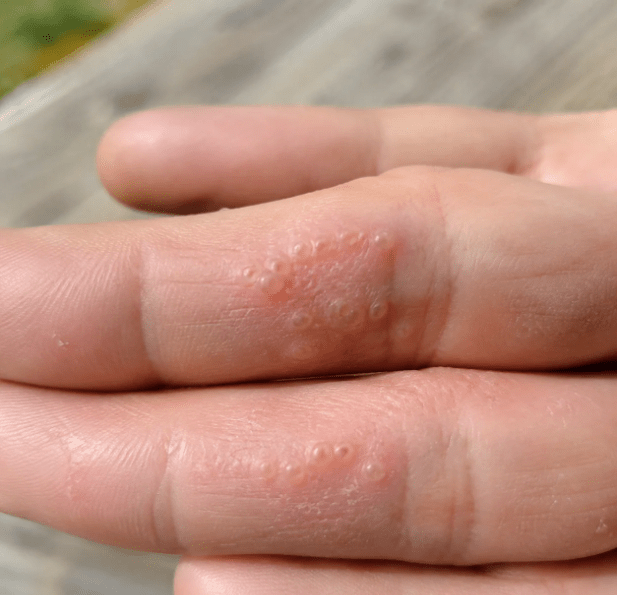
What is dyshidrotic eczema (pompholyx)?
400
Bilateral erythema, scaling, pruritus, edema, and hyperpigmentation around the medial ankles and lower legs should make you suspect this diagnosis rather than bilateral cellulitis.
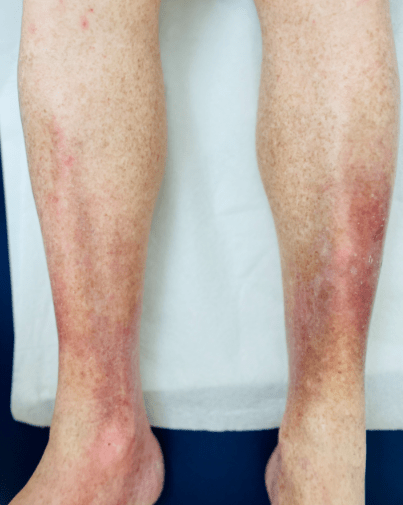
What is stasis dermatitis?
400
A patient with an erythematous rash beneath the abdominal pannus has small erythematous papules and pustules extending beyond the main rash. These “satellite lesions” suggest infection with this organism
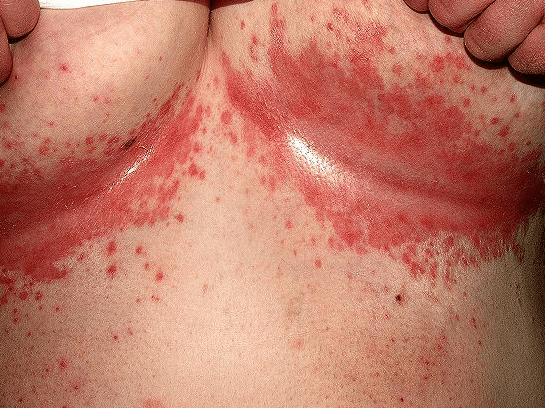
What is Candida?
400
An obese patient has recurrent uncomplicated intertrigo beneath the pannus without evidence of Candida. Your initial management should focus on these nonpharmacologic measures.
What are reducing moisture and friction and keeping the intertriginous area clean, cool, and dry?
Barrier preparations can also help; add topical antifungal therapy when candidiasis is present.
400
A patient with psoriasis reports 45 minutes of morning stiffness and painful swollen fingers. This complication changes the disease from primarily cutaneous to potentially joint-destructive and warrants specialty evaluation.
What is psoriatic arthritis?
Ask psoriasis patients about joint pain, stiffness, swelling, and dactylitis.
500
A patient develops pruritic, polygonal, planar, purple papules on the wrists and ankles. Close examination reveals fine white lines across the surface of the lesions.
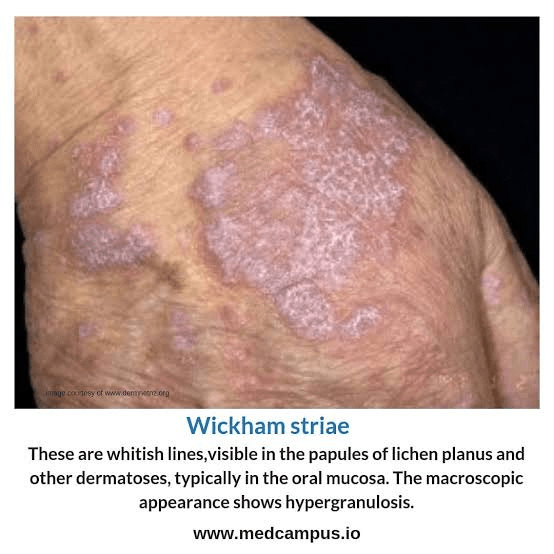
What is lichen planus?
The white reticular markings are Wickham striae.
500
An intensely pruritic vesicular eruption involving the palms and lateral fingers—and sometimes the soles—is characteristic of this eczema variant.
What is dyshidrotic eczema?
500
A patient has well-demarcated erythematous plaques with silvery scale. You should specifically inspect the fingernails for these characteristic abnormalities that strengthen the suspected diagnosis.
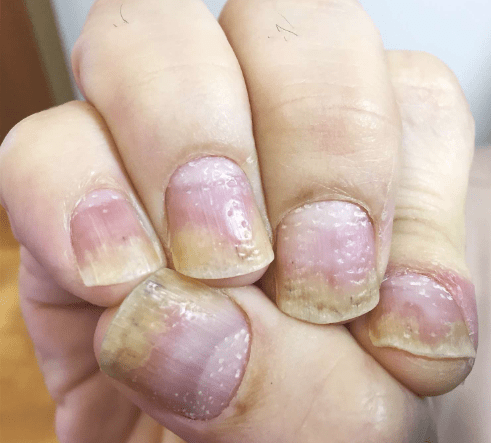
What are nail pitting and/or onycholysis associated with psoriasis?
500
Topical corticosteroids may improve the skin inflammation in this condition, but durable management requires addressing the underlying venous hypertension with this intervention when arterial circulation is adequate.
What is compression therapy for stasis dermatitis/chronic venous insufficiency?
500
A patient diagnosed with oral lichen planus develops a persistent ulcerated oral lesion that does not heal. Rather than simply increasing topical corticosteroids, this is the appropriate next step.
What is specialist referral and consideration of biopsy?
Persistent erosive/ulcerative oral disease requires evaluation because of a small but important association with oral squamous cell carcinoma.