Photography and Sketching
Collection and Packaging
Chain of custody
Scenario
100
Which technique of photography is attempted?
What is the error?

Close up
Evidence not in focus- purpose of the technique not served
100
error?
Rubber tip forceps
100
Where does the chain of custody end?
Final presentation of evidence at court.
100
Assuming the view is 2m away from the farthest evidence, what is taken as a reference point for baseline method and where is the barricading done?

reference point- trunk of the tree
Barricading- 2 feet away from all farthest evidence in the crime scene forming 4 corners
200
Search method?

Zone
200
Collection and precaution taken?

Puncture-proof container
Biohazard labelling
200
CHOOSE
at any break in the continuity of chain of custody,
1. The evidence is rejected
2. The value of the evidence is reduced
both
200
1. The revolver below was found at the crime scene. How many cartridges would be spent?

2. How is a live firearm packed?
1. one
2. *Check loading
*lock the trigger
*on safety locks
300
Missing component in crime scene sketch
*sketch
*Legend
*Date and time
*Signature
*Direction
300
Collection of prints made by
a) Dust particles- ?
b) Mud- ?
c) Snow- ?
dust particles -ESDA
MUD- Plaster of Paris
SNOW- Sulphur
300
Sample seal requirement?
To verify the authenticity of the seal on the evidence.
300
As an FRO, what would be your initial investigation in the given crime scenario?

*Medical aid
*Remove unauthorised people from entering the scene.
*Barricade
*Preliminary survey
*Put off potential threats
*Inform appropriate authorities
400
What is missing for close-up photography?


EVIDENCE DESCRIPTION CARD
400
T or F
any biological stain,
a)can be blow-dried
b)can be exposed to heat
c)can be air-dried at any temperature
d) just packaged in a paper bag post collection
false
false
false
false
400
Chain of custody is only maintained for the purpose of *safeguarding confidentiality,
*to determine who is involved if any information pertaining to the case is leaked.
False
400
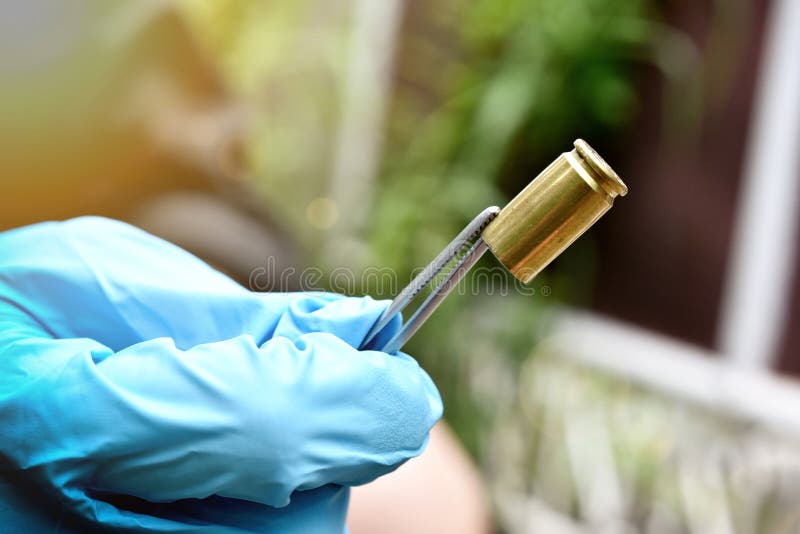
As a crime scene photographer, how would you approach photographing this evidence?
*Usage of the ABFO scale for dimensional reference, along with other close-up essentials.
*One photograph with the camera perpendicular to the plane of the evidence.
*One photograph of the headstamp.
*Oblique-angled photography for any marks visible.