Figurative Language
Literature Structures
Illustrations
Elements of Tall Tales
Bonus Round (Prefixes)
100
Is figurative language literal or non-literal?
Non-literal
100
Stanzas are found in?
Poems
100
What can you infer about the characters from this illustration?
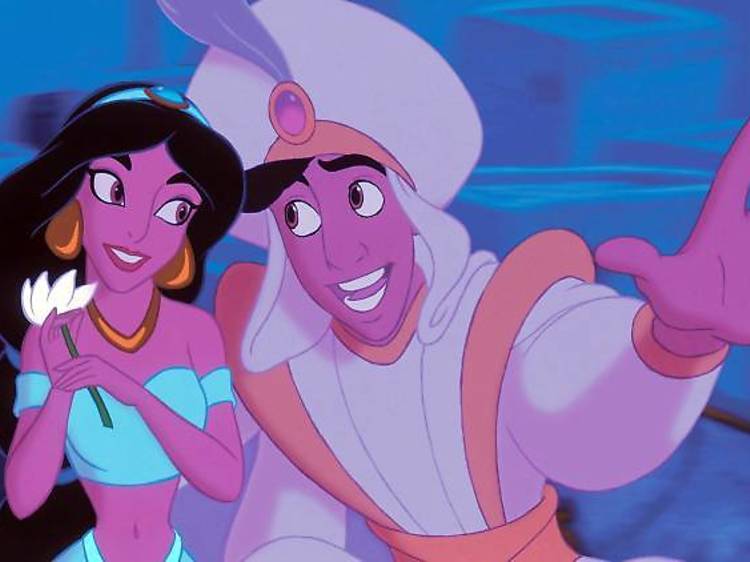
Possible answers: They are in love. They are happy. They are excited.
100
What is the main type of figurative language used in Tall Tales?
Hyperboles
100
What does the prefix re- mean?
Again
200
What is an exaggeration of the truth?
A hyperbole
200
Chapters are found in?
Stories
200
What does this illustration tell you about the setting of the story?
It is in the jungle
200
Are tall tales fiction or non-fiction?
fiction
200
What does the prefix over- mean?
Too much
300
What is comparison using "like" or "as"?
A simile
300
Acts are found in?
Plays/Dramas
300
(View Scar in Lion King "Be Prepared")
What mood is shown in this illustration?
Possible answers: Scary, Evil, Dark
300
Characters in tall tales often have what type of characteristic?
Super human powers
300
What does the prefix pre- mean?
before
400
What is a phrase that has a different meaning that what it literally says?
An idiom
400
What is it called when characters are speaking?
Dialogue
400
(View Hakuna Matata)
What mood is shown in this illustration?
Possible answers: Carefree, happy, relaxed
400
What is the mood of tall tales?
Possible answers: comedic, humorous, funny
400
What does the prefix mis- mean?
Wrongly
500
Sally Sells Seashells by the Seashore is an example of?
Alliteration
500
A line in a poem is called a?
Verse
500
(Show the cover of Up)
What does this illustration tell you about the characters in the story?
Possible answers: Boy Scout who is carefree and joyful, Old man who is not very adventurous
500
What time period are tall tales normally set in?
History
500
What do the prefixes im-, un-, and dis- mean?
Not