Surface Changes
Rock Cycle & Types
Earth's Layers
Plate Boundaries & Movement
Fossils, History & Evidence
100
Breaking rocks into smaller pieces without moving them is called:
Weathering
100
Rock formed from cooled magma or lava is called:
Igneous Rock
100
The thinnest layer of Earth is the:
Crust
100
Plates moving apart form a:
Divergent Boundary
100
The youngest rock layers are usually found:
On the top
200
Moving sediment from one place to another is called:
Erosion
200
Rock formed from compacted sediment is:
Sedimentary Rock
200
The thickest layer of Earth is the:
Mantle
200
Plates sliding past each other form a:
Transform Boundary
200
Marine fossils in Kansas show that:
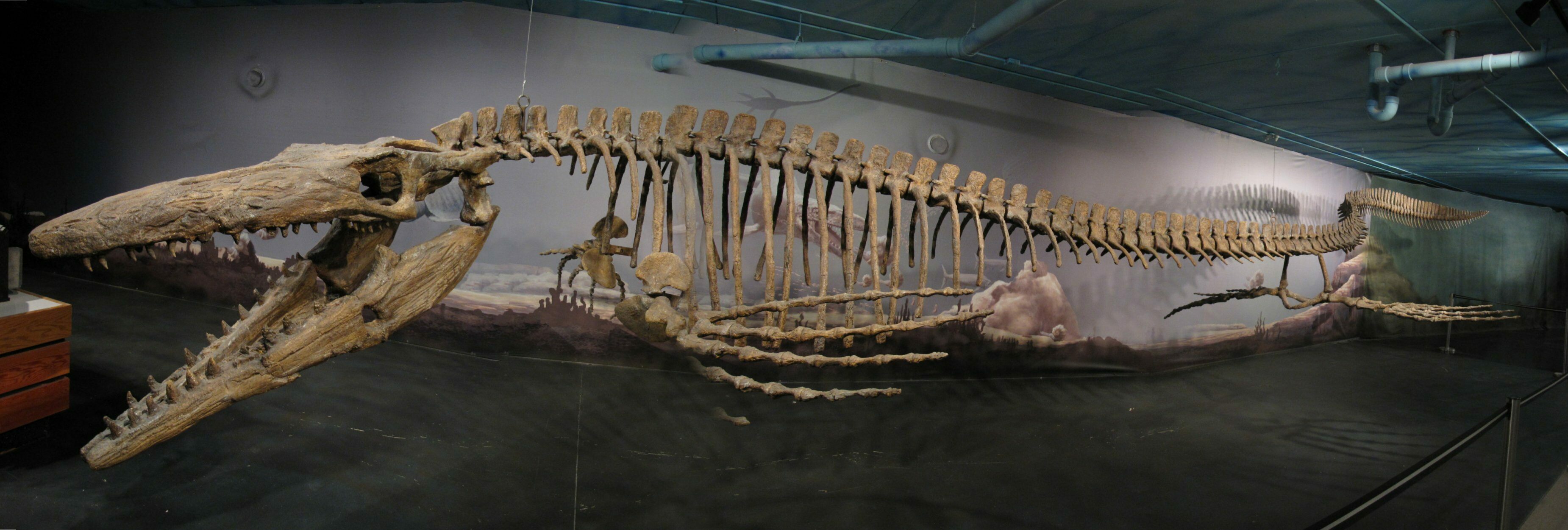
The area was once covered by ocean water
300
Dropping or settling of sediment after it has been carried is called:
Deposition
300
Rock changed by heat and pressure is:
Metamorphic Rock
300
The outer core is made mostly of:
Liquid Iron & Nickel
300
Plates colliding form a:
Convergent Boundary
300
Continental drift was proposed by:
Alfred Wegner
400
The Grand Canyon was mainly formed by which process?
Erosion ( by the Colorado River )
400
Which type of rock most likely contains fossils?
Sedimentary Rock
400
Which layer is the hottest?
Inner Core
400
The San Andreas Fault is an example of which boundary?

Transform Boundary
400
The Mariana Trench is located:
A. On land
B. Under the ocean
B. Under the ocean
500
Tree roots exposed along a shoreline most likely happened because:
A. The soil evaporated
B. The soil was removed by flowing water
C. The roots pushed soil away
B. The soil was removed by flowing water
500
Describe one complete pathway in the rock cycle using at least three rock types.
Sedimentary → Metamorphic → Igneous
500
Which statement is NOT true?
A. The mantle moves in convection currents
B. The mantle is the hottest layer
C. The mantle causes plates to move
B. The mantle is the hottest layer
500
Name two landforms created at a convergent boundary.
Mountains, trenches, volcanoes (any two)
500
The Mid-Ocean Ridge forms at which boundary, and what is happening there?
Divergent boundary — plates are moving apart.