Elements
Mass density and volume
Matter
Vocabulary
Science fun facts
100
What does h2o look like.
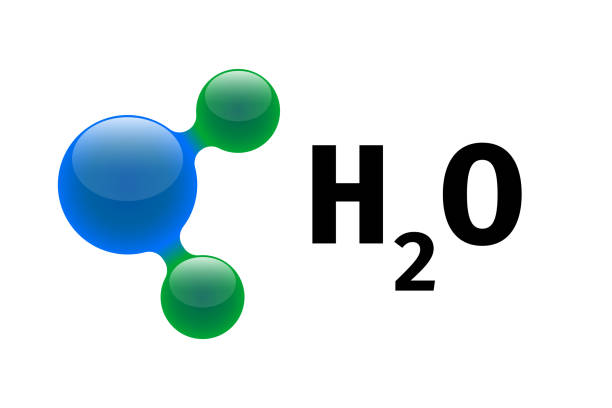
100
This fundamental term describes the amount of space that matter takes up, and it's often measured in milliliters or cubic centimeters.
What is volume?
100
What are the three common states of matter?
What are solid, liquid, and gas?
100
This is the number of protons found in the nucleus of an atom, which determines what element it is.
What is the atomic number?
100
Represented by the symbol Au on the periodic table, this shiny precious metal gets its name from an old word meaning "yellow."
What is gold?
200
Name jobs that use sodium.
Chemist
Metallurgist
Water Treatment operator
200
To calculate the density of an object, you take its mass and divide it by this second property.
What is volume?
200
What state of matter has a definite shape and a definite volume?
What is a solid?
200
This is the total number of protons and neutrons combined in an atom's nucleus.
What is the mass number?
200
Besides making your voice sound funny and high-pitched when you inhale it, this element is the second most abundant element in the entire universe.
What is helium?
300
What is the lightest element.
Hydrogen
300
To find the volume of an irregularly shaped object like a small rock or a toy car, you drop it into a graduated cylinder and use this measurement technique named after Archimedes.
What is water displacement?
300
What is the process called when a liquid changes into a gas?
What is Evaporation.
300
These are electrons located in the outermost shell of an atom that determine how it bonds with other elements.
What are valence electrons?
300
This essential element is the basis for all known organic life and can form two totally different materials: soft pencil lead (graphite) and ultra-hard diamonds.
What is carbon?
400
This chemical element with the symbol K is essential for human health and is famously found in high amounts in bananas.
What is Potassium?
400
If a solid metal block has a mass of 50 grams and a volume of 10 cubic centimeters, its density is this value.
50 divided by 10 = 5 grams/cm to the power of three
400
What is the difference between a physical change and a chemical change?
A physical change changes a substance's form or state, while a chemical change creates a new substance.
400
These are atoms of the same element that have the same number of protons but a different number of neutrons.
What is an isotope?
400
This is the only metallic element on the periodic table that is completely liquid at normal room temperature.
What is mercury?
500
What is a gas that corrodes copper and steel.
What is sulfur gases.
500
An object has a mass of 240 grams and a volume of 30 cm³. What is its density?
What is 8 g/cm³?
500
A glass of ice melts into water. Has the matter itself disappeared, and why or why not?
No. The water is still there; it has only changed from a solid to a liquid.
500
This complex, double-helix molecule contains the genetic instructions used in the development and functioning of all living organisms."
What is DNA.
500
What is the table with periodic elements.
The periodic table. DUR DUR DUR