Drug Facts
Tools for Education
Community Resources
SAC Resilience
Profiles
100
Q: What is the deadliest drug?
A: ALCOHOL! Being the most socially accepted drug, alcohol often flies under our radar. Short-term harm includes alcohol poisoning, risky decision-making, and threats to life or possible injury. Long-term harm includes liver disease, like cirrhosis, heart disease, cancers, and addiction.
100
Q: What game show can be played in the classroom and used as an engagement activity?
A: Jeopardy! www.Jeopardylabs.com is a FREE user friendly platform to create as many games as you want. You can also pay a $20 one-time fee for preimum features like building libraries, adding additional rows/columns, using images, etc.
100
Q: A student walks into your office and it's clear something is wrong; you're not sure what yet, only that they need more than you alone can give them. What support systems can they be referred to?
A: Therapist, Counselor, Guidance Counselor, Clinician, Substance Use Counselor, Spiritual Counselor, or even your doctor can help you get started. You are part of our students support system and we thank you for the work you do everyday!
100
Q: Name two online resources free for school-staff to use to manage stress and well-being.
A: Additional: Headspace and Calm
Visit - https://www.headspace.com/educators https://www.calm.com/schools/resources
100
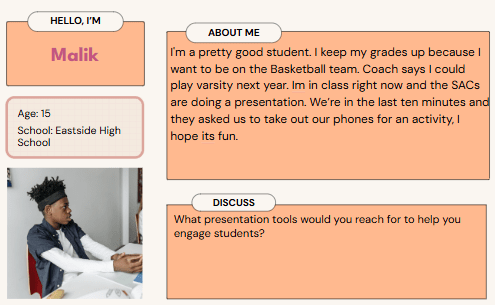
A: Multiple answers accepted: e.g. Mentimeter (live word cloud), Curipod, Gimkit, kahoot, or any other tools mentioned in today's presentation.
200
Q: How many drinks can your liver process per hour?
A: 1 standard drink (1.5 oz hard liquor, 12/16 oz beer or wine cooler, 5oz wine). Any more than two standard drinks per hour is considered binge drinking and increases your chances of getting alcohol poisoning, which can be deadly. Binge drinking is defined as a pattern that raises BAC to 0.08% or higher, typically about 4 drinks for women or 5 drinks for men within about 2 hours.
200
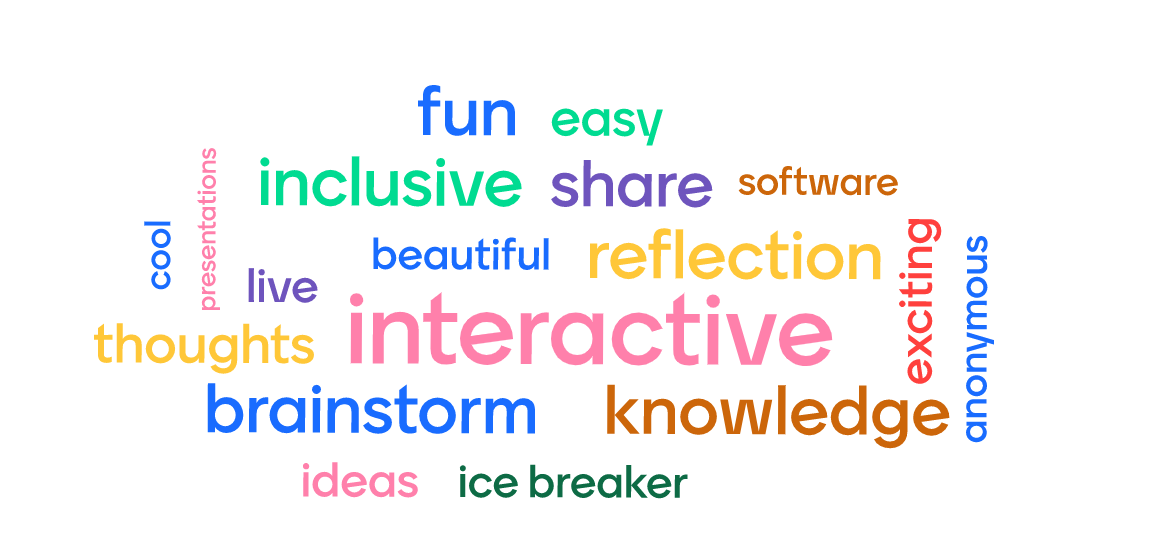
Q: I am an online interactive tool used to create live polls, like wordclouds.
A: Mentimeter!
200
Q: Name one effective method someone can use to quit using tobacco or nicotine products.
A: While traditional methods like Nicotine replacement therapy (NRT), prescription medications, step-down methods exist, youth can access tech-friendly programs such as:
Truth Initiative - Text DITCHVAPE to 88709
Apps - QuitStart & QuitGuide
988 - National Mental Health and Suicide Hotline
Traditional quit program for 16+: Hackensack Meridian Health Quit Center - Phone: 551-996-1632 - Email: quitcenter@hmhn.org
200
Q: True or False: "The expectation that we can be immersed in challeneges, pain, and loss daily and not be touched by it is as unrealistic as expecting to walk through water without getting wet"
A: True! If left unadressed, this can turn to compassion fatigue, where our body's and mind as physically exhausted from constantly flexing our empathy muscle. It is experienced by those who are usually doing their job well, however, exerting that level of connection can be difficult to sustain that level of care consistently. It is a yellow signal on the road to burnout that we don’t want to run.
Quote by: Rachel Naomi Remen, MD
Kitchen Table Wisdom: Stories That Heal 1996
200
FREE SPACE!
Everyone gets 100 points!
300
Q: What is the medication that reverses an opioid overdose?
A: Naloxone! Also known as Narcan (brand name) is a life saving medication that can rapidly reverse the effects of an opioid overdose. It attaches to opioid receptors in the brain and temporarily blocks opioids from reaching them (can restore breathing, blood flow, etc).
300
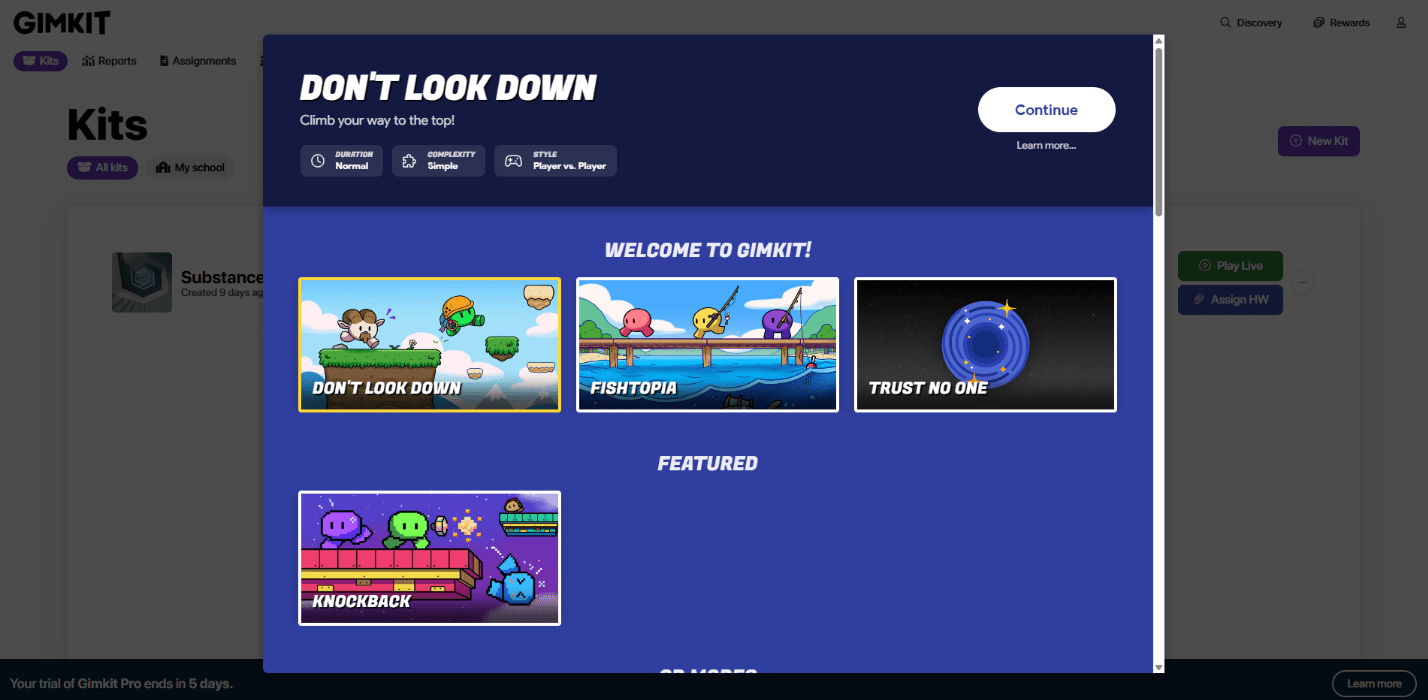
Q: I am an online interactive tool used to gamify educational content.
A: Gimkit, Kahoot, CoolMathGames.
SPOTLIGHT: GIMKIT!
A gamefied education tool in which students have to answer questions to be able to play.
300
Q: Name one place or organization where you can receive free naloxone kits.
A: BLM Paterson, COPE, 22 pharmacies in Paterson (See QR).
300
Q: This is a severe form of work related stress. It results from prolonged stress or frustration, resulting in exhaustion of physical strength, emotional strength and/or motivation.
A: Burnout.
300
r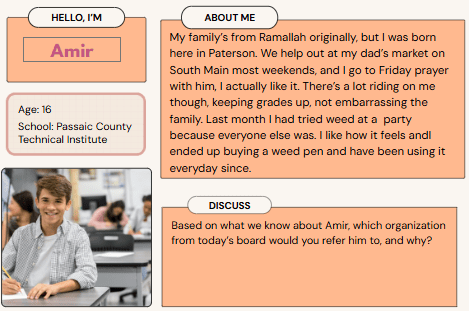
A: Bergen Newbridge (Teen T.H.R.I.V.E.), ASPIRE, PerformCare, or St. Mary’s.
What are community resources you currently use?
400
Q: A student says: “I smoke weed pretty much every day. I keep telling myself I’m gonna cut back, but I never really do. When I don’t smoke, I’m thinking about it a lot, and it’s been getting me into trouble at school and causing problems at home. I can stop whenever I want.” These are warning signs associated with what substance-use disorder?
A: Cannabis Use Disorder (CUD), the diagnosis for addiction to marijuana. People who begin using marijuana before the age of 18 are 4-7 times more likely to develop this disorder.
400
Q: True or False: AI tools in education are mainly for answering questions or generating written content.
A: False! There is a list of many AI tools that can help with classroom engagement, activities, and presentation generation.
Give them a try!
Want to create an AI song for a specific topic? Or generate a presentation? MagicschoolAI.com
Want to give students interactive in-class assignments, like videos and documents? Wayground.com
400
Q: What is the number for the national mental health and sucide prevention hotline?
A: 988 provides immediate crisis/emotional support by call, text, or chat and can help connect someone with appropriate local services based on the situation.
400
Q: When talking about self-care, what does the acronym “WTF” stand for? Hint: It’s not the first thing that comes to mind.
A: Walk, Talk, Flush!
The 3 main things to remember to help you digest the stress you accumulate throughout the work day is to walk, and talk it out, and flush it out – through fluids like water/tea, maybe through sweat from exercise, and perhaps through the tears if the stress is enough to overwhelm the body. The idea is to keep moving that energy through and not let it get stuck and settled into your system. There’s a phrase about trauma that “the body keeps the score.” Having a method to digest and process stress so it doesn’t accumulate is a great way to build your personal resilience and make it less likely to have a negative impact on you.
400
FREE SPACE!
Everyone gets 100 points!
500
Q: Cannabis concentrates, such as wax, shatter, or oils used in some vapes, can contain approximately what percentage of THC?
A: Concentrates can contain very high levels of THC, anywhere from 50-95%, substantially higher than typical cannabis flower, which is typically around 10-30%.
500
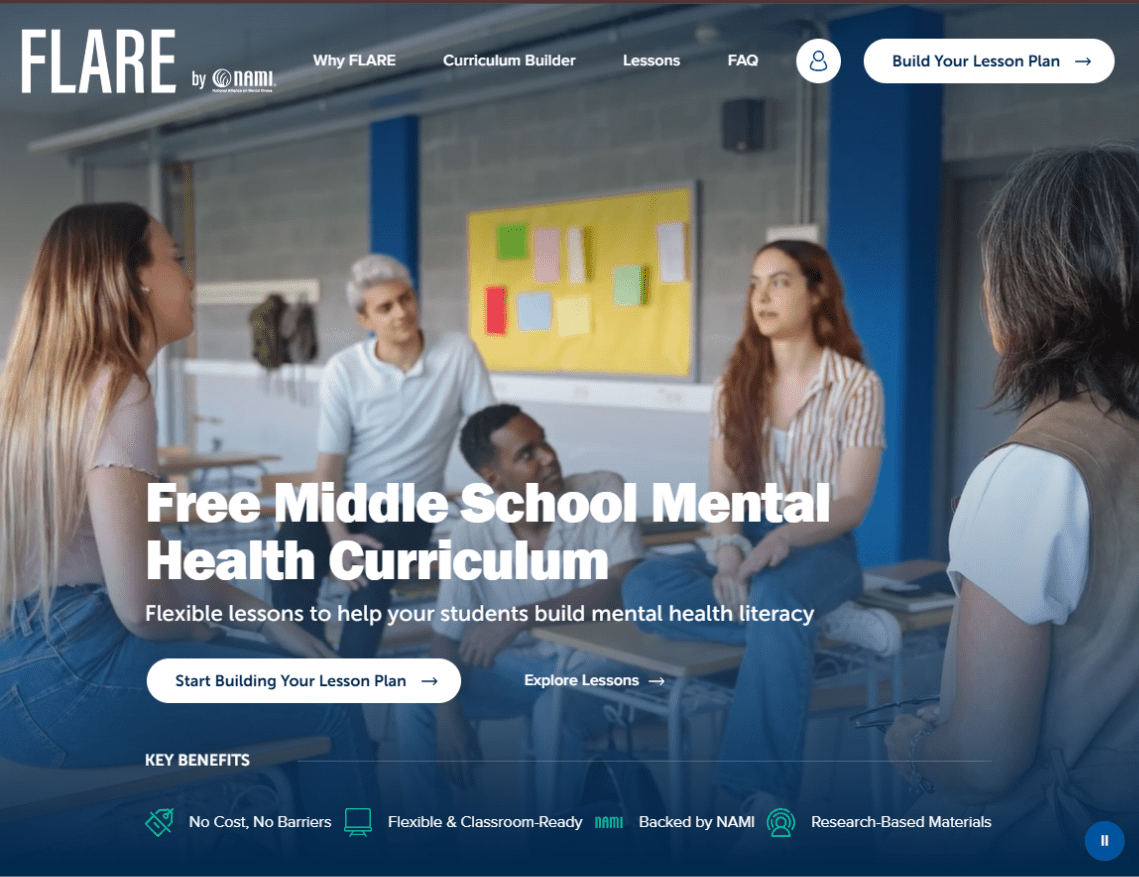
Q: What is an organization that offer free mental health classroom resources, like activities and curriculums?
A: The National Alliance on Mental Illness offers a free middle school mental health literacy curriculum, called NAMI FLARE, through their website https://flare.nami.org/
500
Q: Name one organization in New Jersey provides treatment for teen drug use?
1. Bergen Newbridge Medical Center offers treatment for Medicaid and Privately Insured clients. Provides OP/IOP/PHP/inpatient through theirTeen T.H.R.I.V.E. Recovery Program. All referrals can be made to Access Center: 833-217-7181
2. ASPIRE provides OP/IOP/PHP Mental Health & SUD treatment services for youth ages 13 & up and can be reached at 973-737-8400.
3. PerformCare connects youth up to age 21 and their families to state-funded behavioral health, intellectual and developmental disability, and substance use treatment services. They also operate a Mobile Response unit (24/7) and provides connection to CMO & FSO. They can be reached at 877-652-7624.
4. St. Mary's in Passaic offers OP/IOP/PHP/residential programs for youth ages 11 & up. They can be reached at 973-470-3056.
500
Q: This is the ability to maintain our physical, emotional and mental well-being (using energy productively) while compassionately identifying and addressing the stressors that are barriers to learning for students, and identifying, preventing, and minimizing compassion fatigue within ourselves.
A: Compassion Resilience. Repeated exposure to the stressors, challenges, and traumas of others requires us to flex a different muscle called Compassion Resilience. It is found in getting to experience the resilience of others, in addition to taking time for ourselves and maintaining healthy boundaries.
500
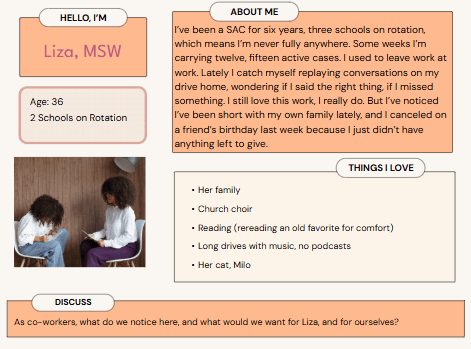
A: Open discussion, reflect on burnout signs and reinforce SAC Resilience takeaways from earlier in the game.