Types of Photography
Parts of the Camera
Salisbury University
Camera Modes
Photo Processes
100
This type of photography is often used to try to capture an individual's personality, character, or emotion.
Portrait Photography
100
This controls the amount of light that will reach the camera's image sensor.
Aperture
100
Salisbury University was founded in this year.
1925
100
In this mode, the camera automatically adjusts the camera's settings to produce a properly exposed image.
Automatic
100
This process combines chemicals and UV to result in a distinctive blue print.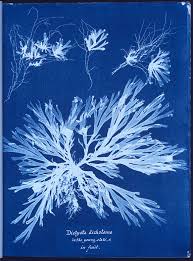
Cyanotype
200
This type of photography requires good-timing and a fast shutter speed.
Sports Photography
200
This allows you to change the clarity of the image
Focus
200
In 2001, Salisbury University's name was changed from this.
Salisbury State University
200
This mode allows the photographer to adjust both the shutter speed and the aperture to get the desired effects.
Manual
200
This process combines various chemicals and UV to result in a brown print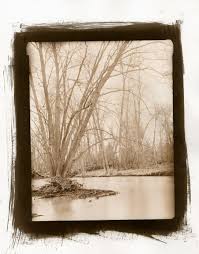
Vandykes
300
This type of photography allows someone to take magnified images, using a special lens.
Macro Photography
300
This is what a photographer looks through to compose an image before capturing.
Viewfinder
300
This building, built in 2016, was the most recent addition to Salisbury's Campus
Guerreiri Academic Commons
300
This mode allows the photographer to adjust the shutter speed and the camera will automatically choose a corresponding aperture for the best exposure.
Shutter Priority
300
This process is completed by placing leaves or flowers on a piece of photo paper and exposing it to UV.
Lumens
400
This type of photography is most often used to capture the structure and details of its subjects.
Architectural Photography
400
A photographer presses this to capture an image.
Shutter Button
400
Taking office in 2018, this person became SU's 9th President.
Charles Wight
400
This mode allows the photographer to successfully take photos in low-lighting conditions.
Night Mode
400
This process, common in the 1800's consists of printing on a thin sheet of metal
Tintype
500
This type of photography captures, color, texture, shape, geometry and other physical features of an object out of context so that it may not be immediately recognizable by the viewer.
Abstract Photography
500
This is a mounting point at the top of the camera used to attach a flash.
Hotshoe
500
TETC was renamed in 2016 to honor this Maryland politician born in Salisbury.
Norman Conway
500
This mode allows the photographer to set the f-stop and then the camera adjusts the shutter speed accordingly
Aperture Priority
500
This process involves transferring a carbon print onto a sheet of opaque or clear glass
Opalotype