Fossils
More Fossils
Animals
Georgia Regions
Rocks & Soil
100
These are the remains of animals or plants that lived long ago.
fossil
100
What do fossils help us learn about?
life in the past
100
Keen eyesight is an example of an _______________.
adaptation.
100
Why is the Appalachian Plateau the least populated of all the Georgia regions?
It is too hard to build with the rocky land.
100
What makes rocks in a river smooth?
The moving water from the river causes weathering.
200
Why do bones and teeth remain as part of some fossils?
The parts are hard and do not decay easily.
200
Give an example of something that can be a fossil.
dinosaur, plants, saber tooth tiger, wooly mammoth, etc.
200
What is an adaptation?
A feature an animal has that helps it survive.
200
What habitat in Georgia do alligators live in?
swamps and marshes/ Coastal Plains
200
This type of soil has small particles, is often red, and clumps together.
clay
300
What is a paleontologist?
A scientist who studies fossils
300
This fossil shows an organism that lived long ago. What organism is it similar to that lives today?

fish
300
How does keen eyesight help birds of prey?
It helps them to see animals from high in the sky.
300
What type of soil is often found in the coastal plains?
Sandy soil
300
What caused the rocks shown below to get their shape?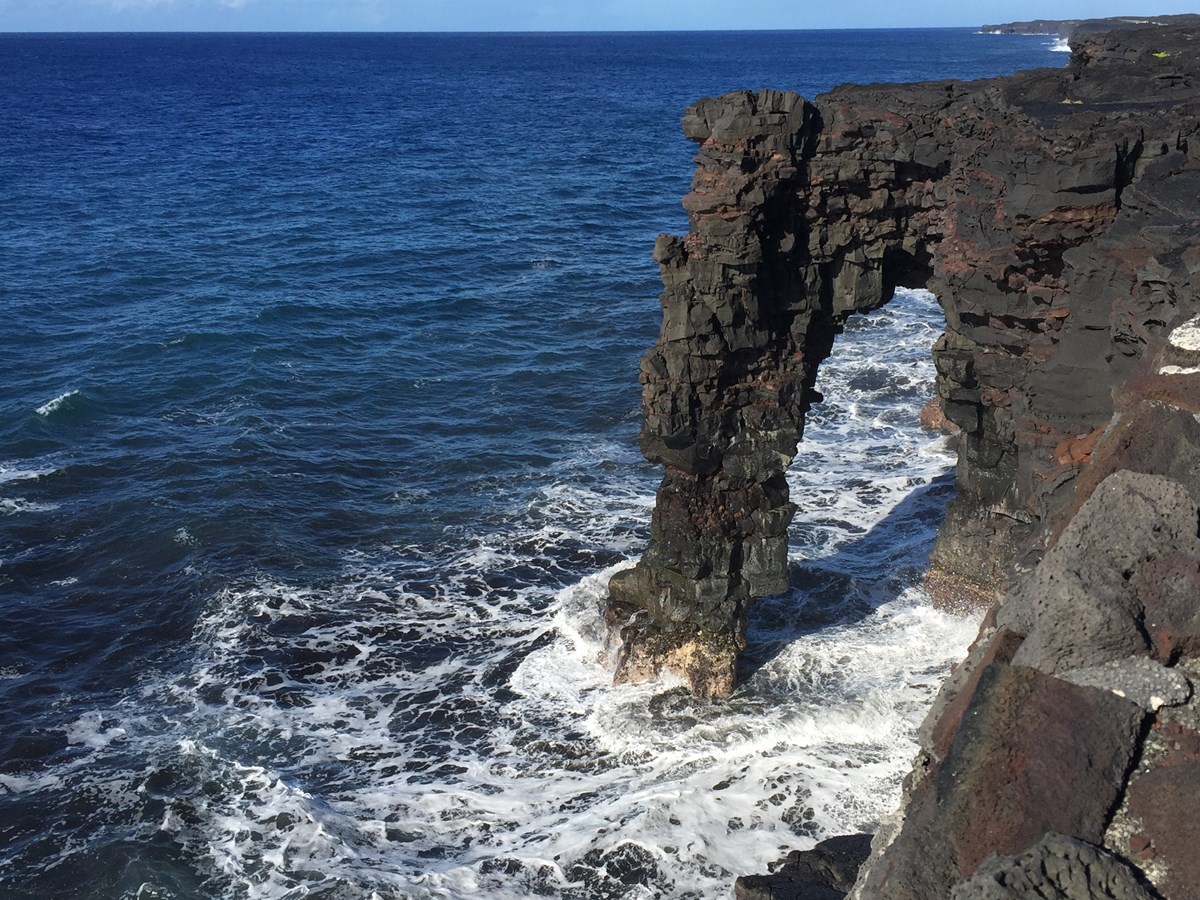
Weathering from water and wind.
400
If fossils of water plants and shells are found in a rock, what does this tell us about the rock?
The rock was once in the ocean or under the sea.
400
How can you demonstrate how a mold fossil is formed using clay?
1. Press a shell into clay
2. Carefully remove the shell from the clay.
3. Let the clay harden.
4. Compare the mold to the shell.
400
How would a giraffe's black tongue help it to survive in its habitat?
It keeps it from being sunburnt.
400
What regions of Georgia can deer be found in?
all of them!
400
According to this Moh's scale, what can we learn about talc?
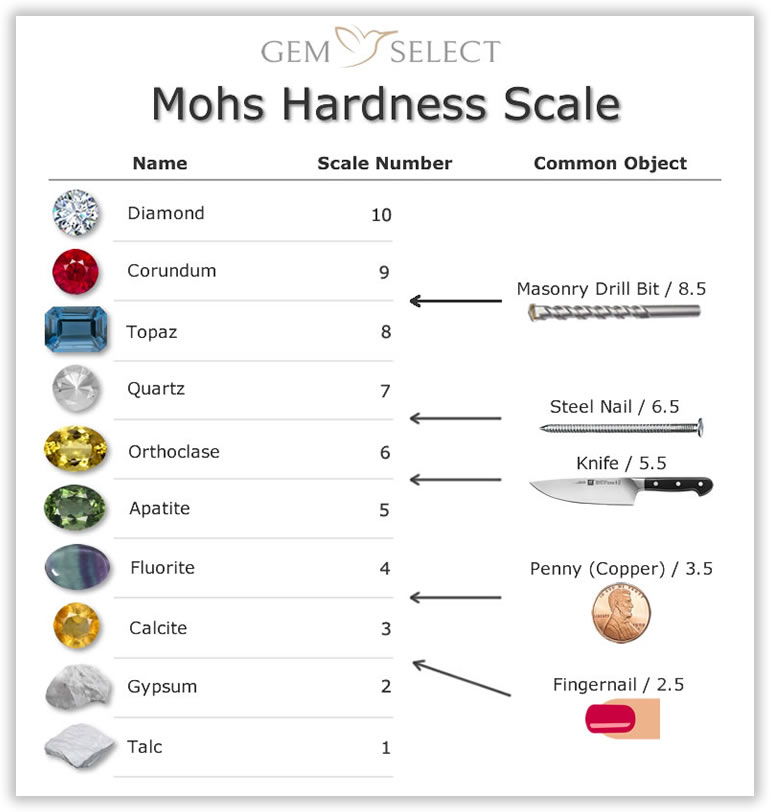
It can be scratched by most other minerals.
500
Describe the steps of how a fossil is formed.
1. A living thing dies.
2. It decomposes.
3. It is covered by sediment.
4. The sediment turns to rock and a mold is created.
5. Minerals fill the mold and harden.
6. The fossil is exposed and found.
500
Tell two things that we can learn from fossils.
What an animal ate, what type of animal it is, how the animal traveled, etc.
500
Name 5 animals that can be found in Georgia.
answers will vary
500
Name the 5 regions of Georgia.
Coastal Plains, Piedmont, Ridge & Valley, Appalachian Plateau, and Blue Ridge Mountains.
500
Describe what the luster, hardness, texture, and color of a rock is.
luster- how a rock reflects light (shiny or dull)
hardness- how hard or soft a rock is
texture- how a rock feels (bumpy, smooth, rough)
color- what color a rock is