Literary Devices
Types of Conflicts
Plot Structure
Archetypes
Examples
100
This literary device is a technique where an author intentionally implements small details in the story to hint at something that will happen later in the plot.
Foreshadowing
100
This is a conflict within a character's own mind. They struggle with and deal with their own issues.
Internal Conflict (Man vs Self)
100
This is the beginning of the story. It introduces the setting, time period, and main character(s).
Exposition
100
This archetype refers to the main character of the story, who typically has an epic backstory that transforms them into the world-saving character they have become in the present.
Hero
100
In Shrek, Shrek faces a conflict because he doesn't see himself as an archetypal "Prince Charming" deserving of Princess Fiona's love. He even goes as far as becoming human because he thinks that's what Fiona wants. What kind of conflict does Shrek face?
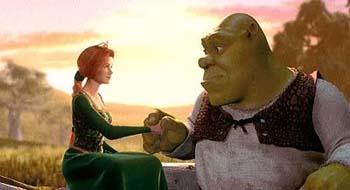
Internal Conflict
200
This literary device is a plot device where an author will jump around in the plot's sequence and refer to events that have happened in the past to provide context and background information on something that is happening in the present.
Flashback
200
This is a type of external conflict that pits two characters against each other. This usually involves a protagonist and an antagonist constantly fighting with each other.
External Conflict: Character vs Character.
200
After introducing the characters and setting, this part of the story begins to introduce the conflict the characters will face throughout the rest of the story
Rising Action
200
This archetype typically refers to character who are wise and share that wisdom with others. They guide others to their destinies because of their extensive knowledge of the world.
Sage (Mentor/Guide/Philosopher)
200
Shrek became a popular film because of the way is challenge archetypical fairytale tropes. Instead of a princess falling in love with this archetype of a character, she falls in love with an ogre. What archetype does a princess typically fall in love with?
A Prince Charming (Hero)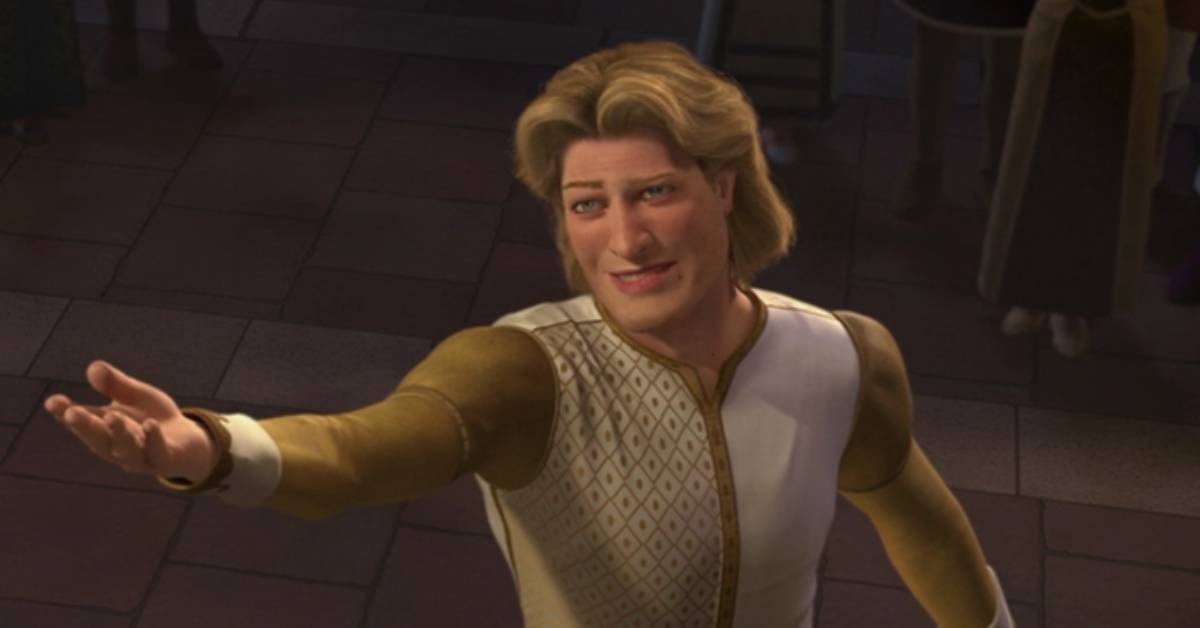
300
This literary device refers to the types of characters, or recurring details, that appear across many different works and can even be applied to real life. These types and categories are considered universal categories.
Archetype
300
This is a type of external conflict where a character's main conflict is surviving against the forces of nature and whatever nature throws at them.
External Conflict: Character vs Nature
300
Once the conflict is introduced, this is where the main action happens because the main character(s) deal with the conflict head on.
Climax
300
This archetype typically refers to a character who is naive about the world around them. They typically hold idealistic beliefs, and have extreme faith and optimism in the world around them.
Innocent (Dreamer, Optimist)
300
Another way Shrek challenges archetypal fairy tale tropes is by using different animals that an audience wouldn't expect to see in a fairy tale. For example, most would expect to see a knight, or the hero of the story, riding a majestic horse (or a "Noble steed"). However, in Shrek, who is the hero's companion?

Donkey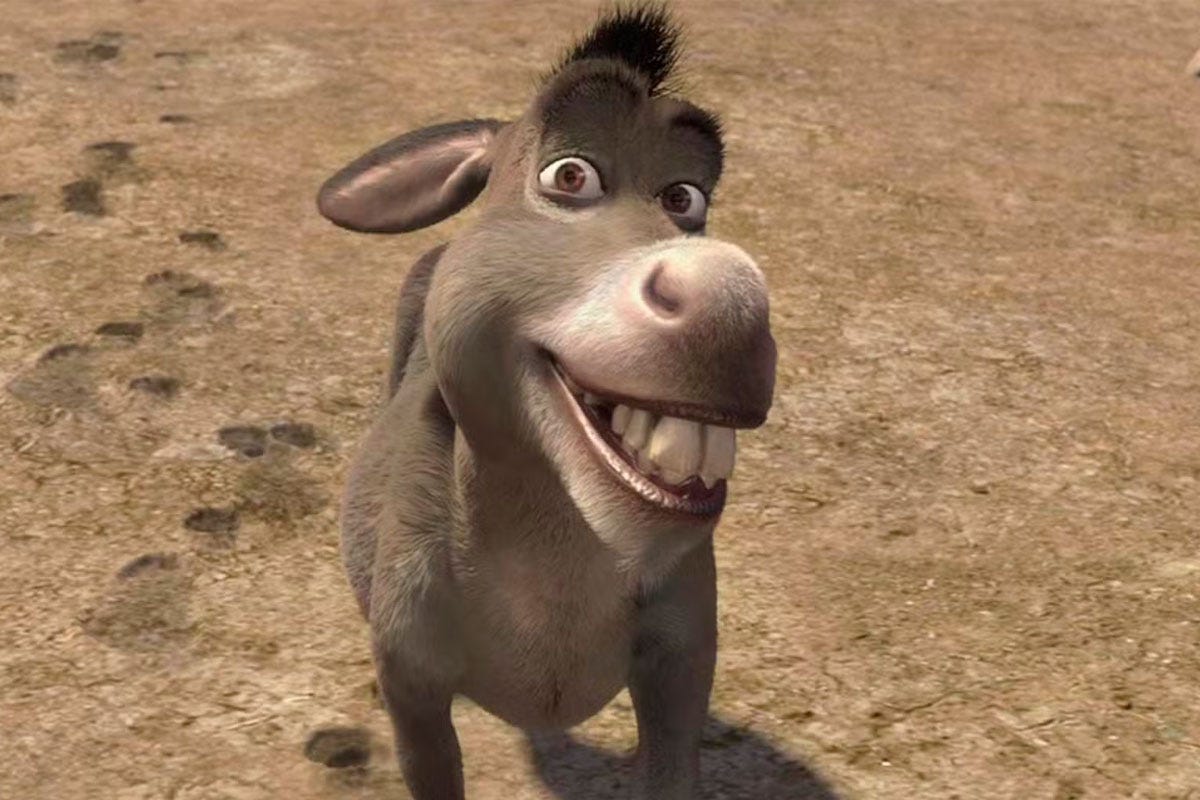
400
A figure of speech that refers to an exaggeration; a statement that does have a meaning, but it is not to be taken entirely literally.
Hyperbole
400
This is a type of external conflict where a character is constantly at odds with other, typically facing judgement or being treated differently because others view them as different or controversial.
External conflict: Character vs Society.
400
After the character(s) experience the central conflict, this is when they start dealing with the aftermath and begin to resolve their conflict.
Falling Action
400
This archetype refers to a character who presents themselves as a regular, normal, everyday person. They seem relatable because they face common struggles.
The Everyman ("Ordinary Joe," "Ordinary citizen," etc.)
400
The main characters, the hero and the sidekick, Shrek and Donkey, act as opposites in personality, but in reality, share a common backstory as orphans excluded from society. This is an interesting contrast between two opposing characters, with the purpose of highlighting how they work as a duo because of their underlying similarities (that you only notice by first noticing their differences). This is an example of what literary device?
Juxtaposition
500
This literary device refers to the contrast between two things or ideas. However, this contrast is typically not between two direct opposites, but rather, somewhat different ideas to emphasize/highlight a certain point.
Juxtaposition
500
When Ms. Ana was in high school and was trying to learn, as the studious student she was, there was once a power outage because it was extremely windy. Everyone got sent home early because there was no electricity due to the extreme winds. This is an example of what kind of conflict?
External conflict: Character vs Nature
500
This is typically the end of the story, where the main conflict is resolved.
Resolution
500
This archetype refers to a character who goes against all authority. They are typically dependent and extremely sure of their identity, so they have no issue breaking the rules to stand up for what they believe in and who they are.
The Rebel ("The Outlaw," "The Revolutionary," "The Freedom Fighter," etc.)
500
When Lord Farquaad interrogates Gingy, he's really trying to figure out more about Princess Fiona. However, to scare Gingy, he begins threatening him over his "gumdrop buttons," which becomes the focus of the interrogation and it becomes way more "threatening" than it was originally. This exaggeration is an example of what literary device?
Hyperbole