In relation to...
What quadrant(s) is that?
Skeletal system
Muscular System
Respiratory System
100
The forearm is ______ to the wrist.
Proximal
100
The large intestine
All 4
100
What bone is this
Humerus
100
What muscle is this?
Gluteus Maximus
100
The respiratory system delivers ______ to the lugs and removes _______ from the lungs.
Oxygen and Carbon Dioxide.
200
The ankle is ______ to the knee
Distal.
200
Liver
The upper quadrants
200
The spine is divided into the following 5 sections:
Cervical
Thoracic
Lumbar
Sacral
Coccyx
200
This type of connective tissue connects muscles to bones
Tendons
200
The windpipe is also known as....
The trachea
300
Muscles are _______ to the skin.
Deep.
300
Stomach
Left upper quadrant
300
This type of connective tissue connects bones to bones.
Ligaments
300
This kind of muscle is used to perform deliberate actions and it is voluntary.
Skeletal muscle
300
In this terminal structure, carbon dioxide and oxygen are exchanged through a single layer.
Alveoli
400
The tibia is ________ to the femur.
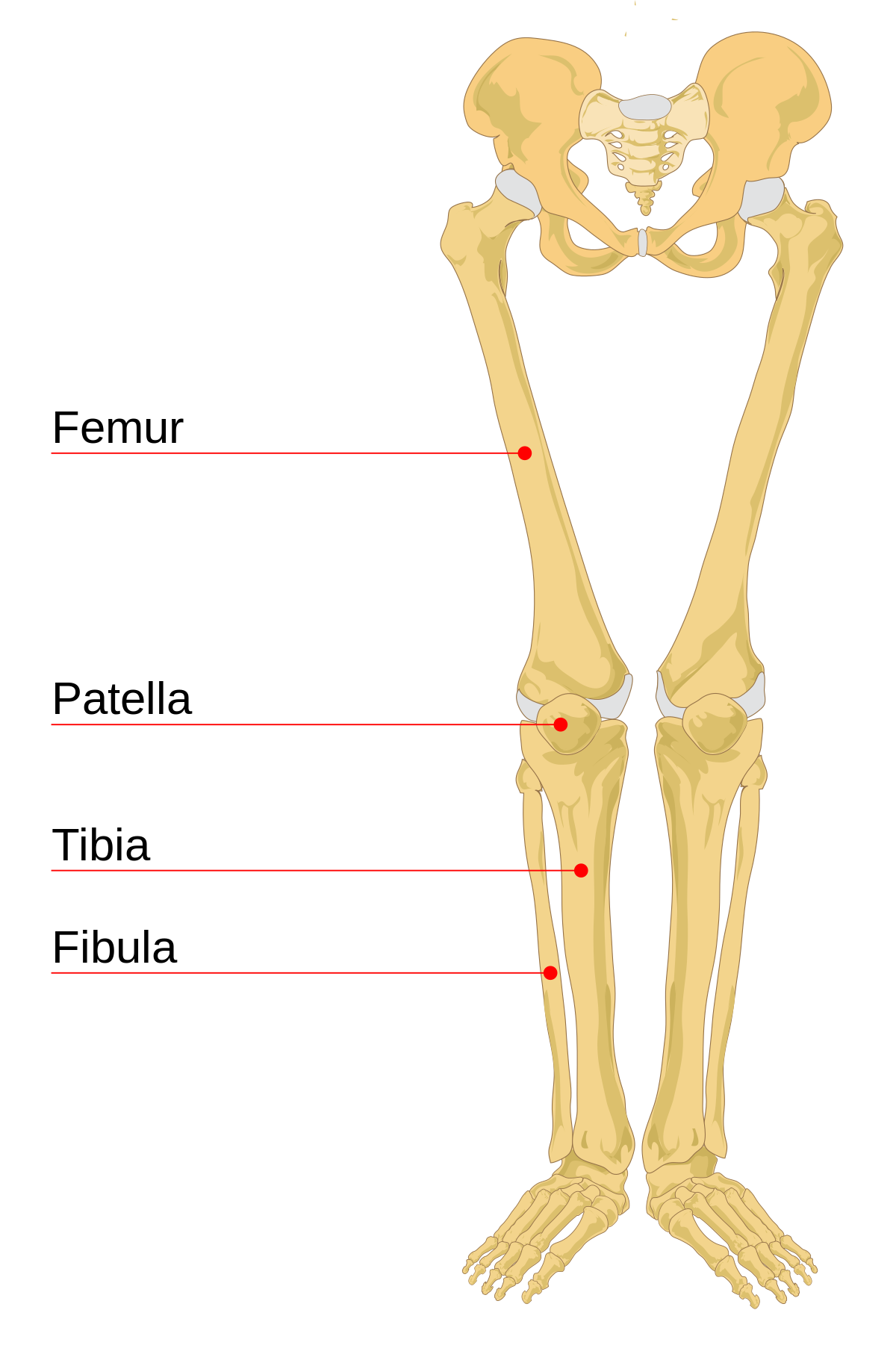 Distal
400
Gall bladder
Right upper quadrant
400
The shoulder griddle is composed of these 2 bones
 Clavicle (collarbone) and scapula (shoulder blade)
400
This kind of muscle is found in the walls of blood vessels, organs and forms much of the intestinal wall.
Smooth muscle
400
This leaf-shaped structure prevents food from entering the trachea during swallowing.
Epiglottis
500
The calcaneus is ________ to the metatarsals.
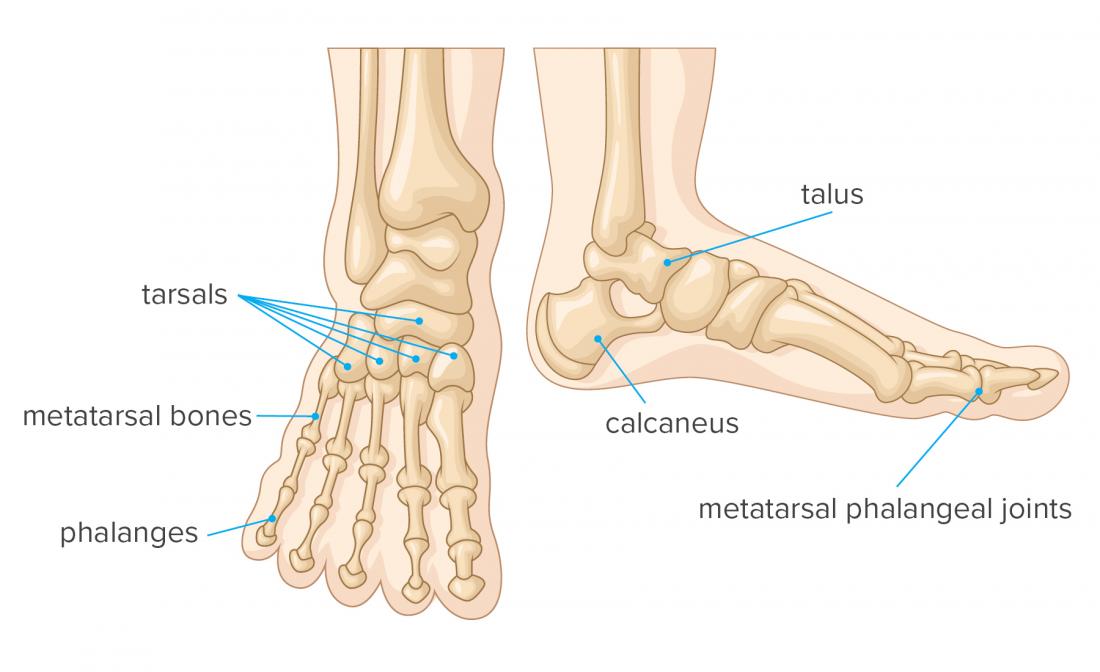 Proximal
500
Spleen
Left upper quadrant
500
The lowest portion of the sternum is the ________ (hint: we worry about braking it when performing CPR)
Xiphoid process
500
This kid of muscle is able to contract on its own even when disconnected form the brain.
Cardiac muscle.
500
The trachea of an infant is ________, _____ and ____ than an adults. Therefore we worry about tipping the head too far. If we tip the head too far or allow the head to fall forward, _______ will occur.
An infant's trachea is narrower, softer and more flexible. If we do not control the head, the trachea will close.