Kitchen and Safety Basics
Food Safety
Knives
Misc.
Bonus
100
What does the kitchen communication phrase "behind" mean/signal?
I am walking behind you, freeze
100
What is the main cause of foodborne illness?
Poor hygiene
100
What knife is this? Large (between 8-10 inches), one of the most frequently used types.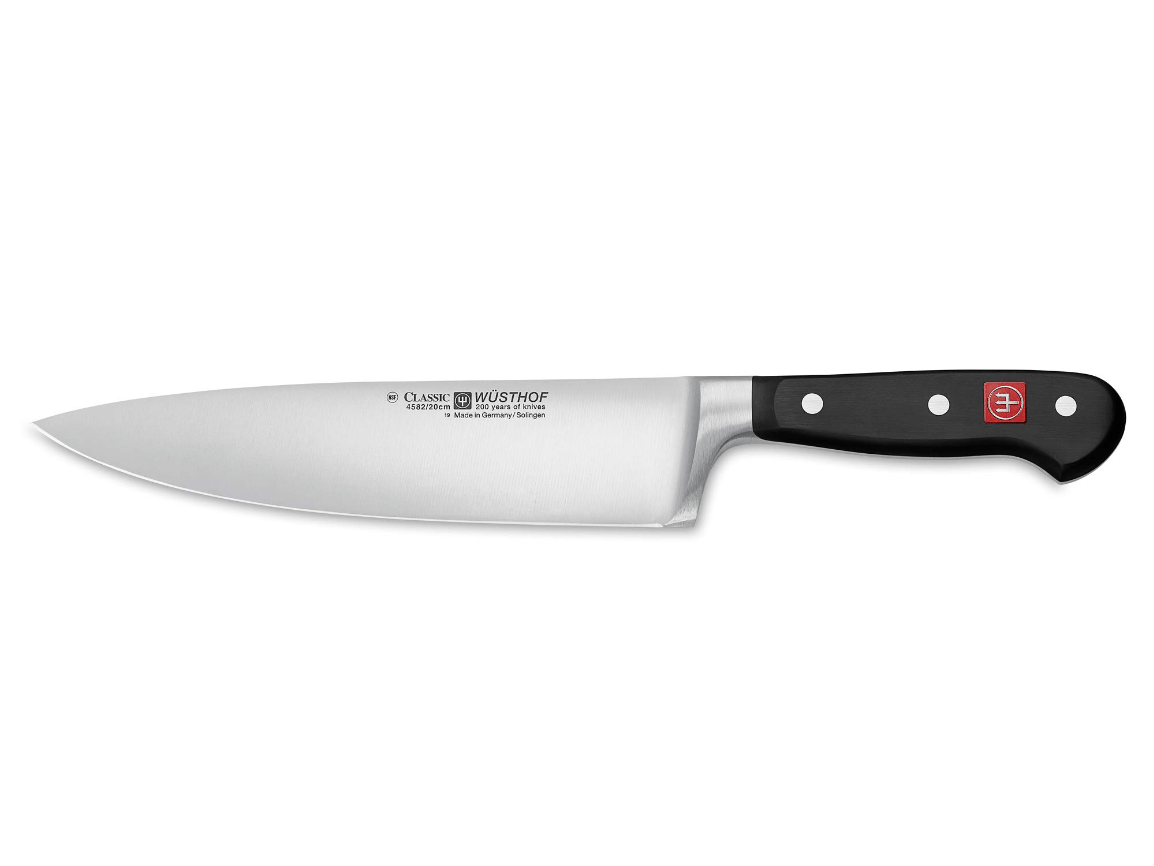
Chef Knife
100
What can be hazardous about sinks?
Hot water! Hot enough to burn
100
True or False: Oven mitts are never flammable (cannot catch on fire).
FALSE! They protect you, but they are not an invincibility shield.
200
What does the kitchen communication phrase "Sharp" mean/signal?
What does the kitchen communication phrase "Hot" mean/signal?
I am carrying something sharp around you
I am moving with something hot around you
200
What are the three types of food hazards?
Physical, chemical, biological
200
What knife is this? Large (7-10 inches), serrated edge.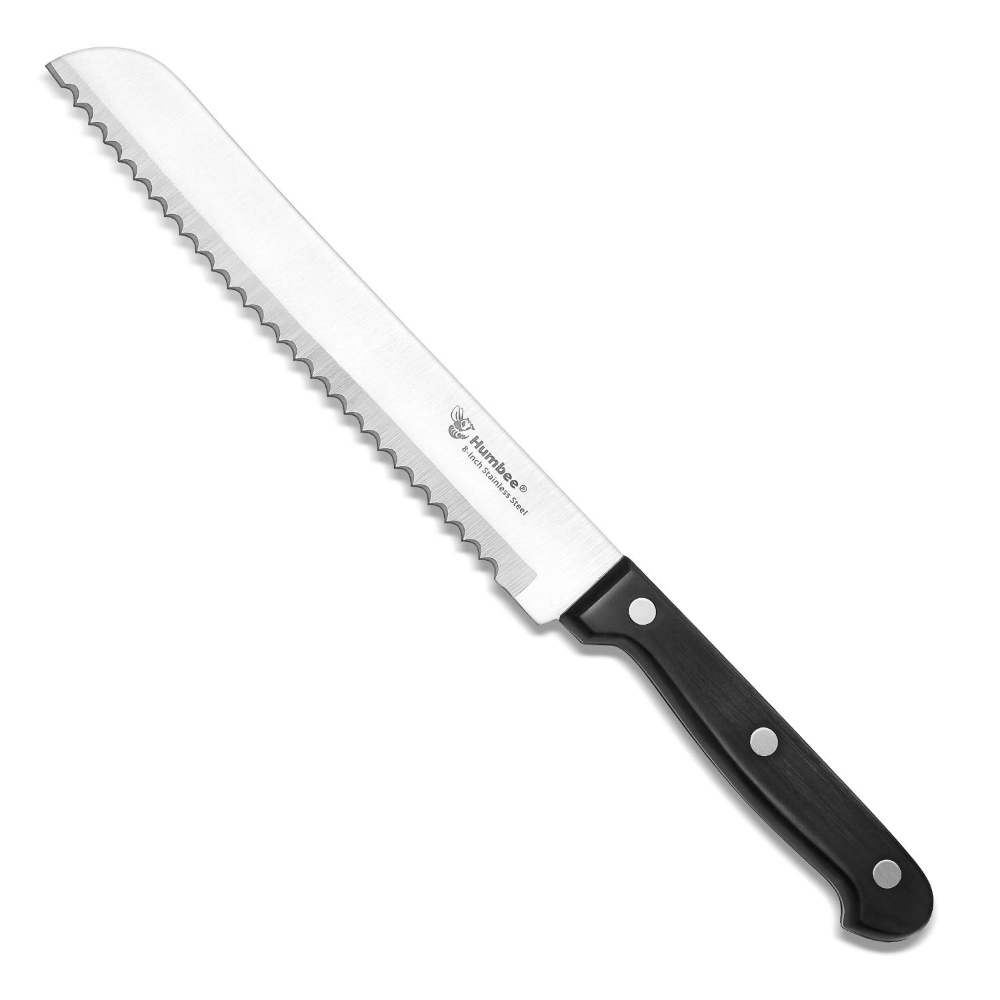
Bread knife
200
How long should you wash your hands?
At least 20 seconds
200
Are laptops allowed in the FCS kitchens? Why or why not?
No! They could get water damage, knocked into, or otherwise damaged.
300
What does heard/yes chef mean?
I heard the directions/statement you said
300
What is the temperature danger zone?
40 degrees F to 140 degrees F
300
What knife is this? Small (3.5 inches or less), good for detail work.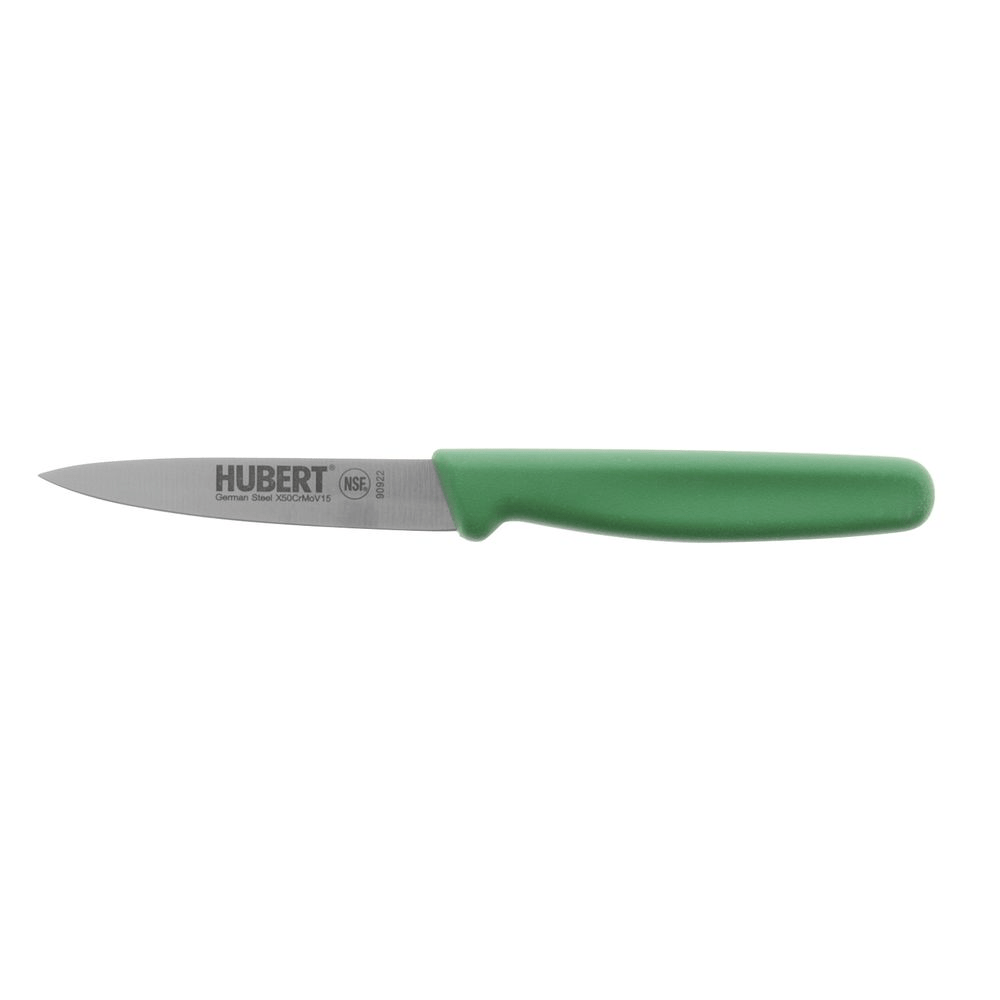
Paring Knife
300
Name two other sharp objects in the kitchen besides knives
Potato peeler, cheese grater, pizza cutter, etc.
300
Which is more dangerous? A sharp knife or a dull knife?
A dull knife! They require more force to cut which makes it more likely to slip and causes more jagged injuries
400
What is spatial awareness?
An alertness to the space around us, and an awareness of our body’s position in that space
400
Why is it important to move dishes and food before spraying chemicals?
To avoid overspray
400
What knife is this? Medium (about 6 inches), longer than certain knives, and thinner than other knives, making it good for many things.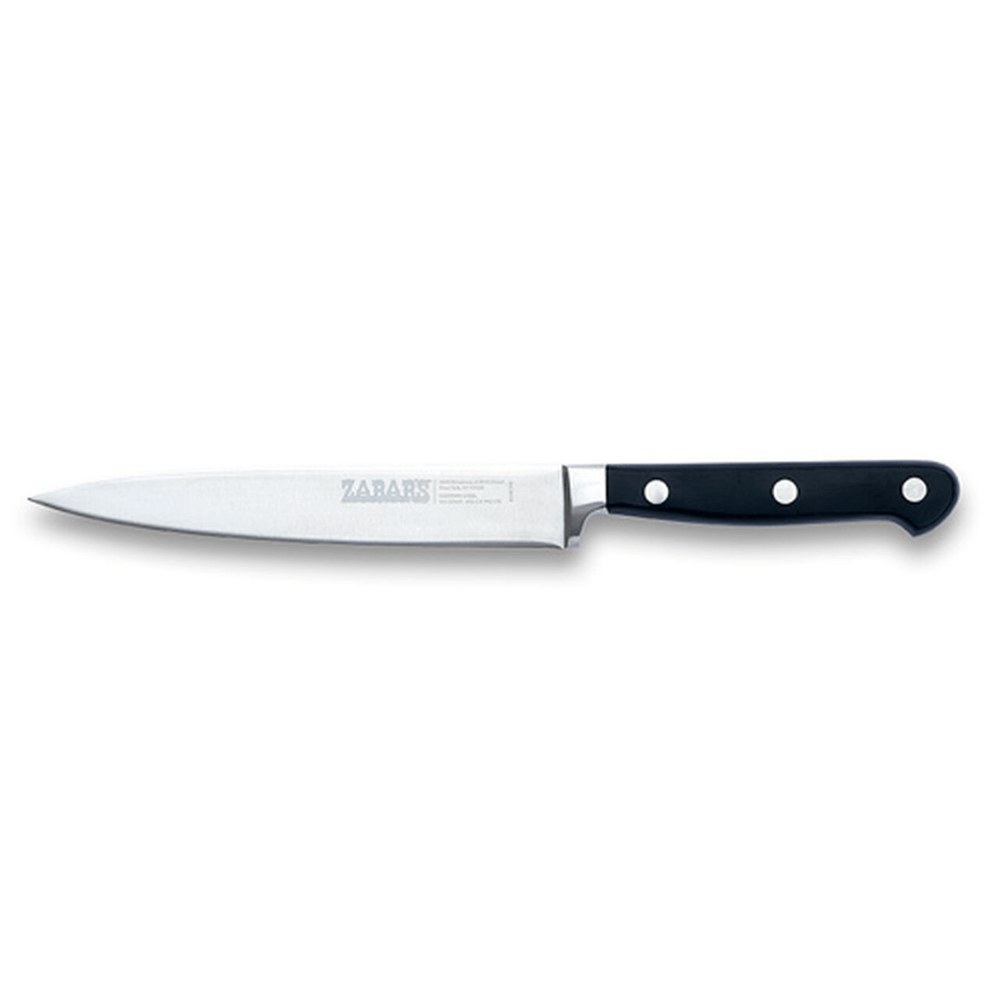
Utility Knife
400
What are the three types of burns, and what indicates each one?
First Degree - redness, minor swelling, pain
Second Degree - blisters, major swelling, major pain
Third Degree - charred/white, numb skin
400
You are making some yummy bacon in a pan on the stovetop when it suddenly catches on fire! What do you do?
This is a GREASE fire - do not use water on a grease fire. Instead, use flour, corn starch, salt, or a special grease fire extinguisher.
500
What is the treatment for a minor burn?
Run under cool, not cold, water for 10 minutes
500
State the steps of the dishwashing process in order.
Scrape food residue, rinse with water, scrub with soap, rinse the soap off, dry with a clean towel
500
What knife is this? Large (7-10 inches), Japanese knife with a thinner blade and lighter build that works for many things.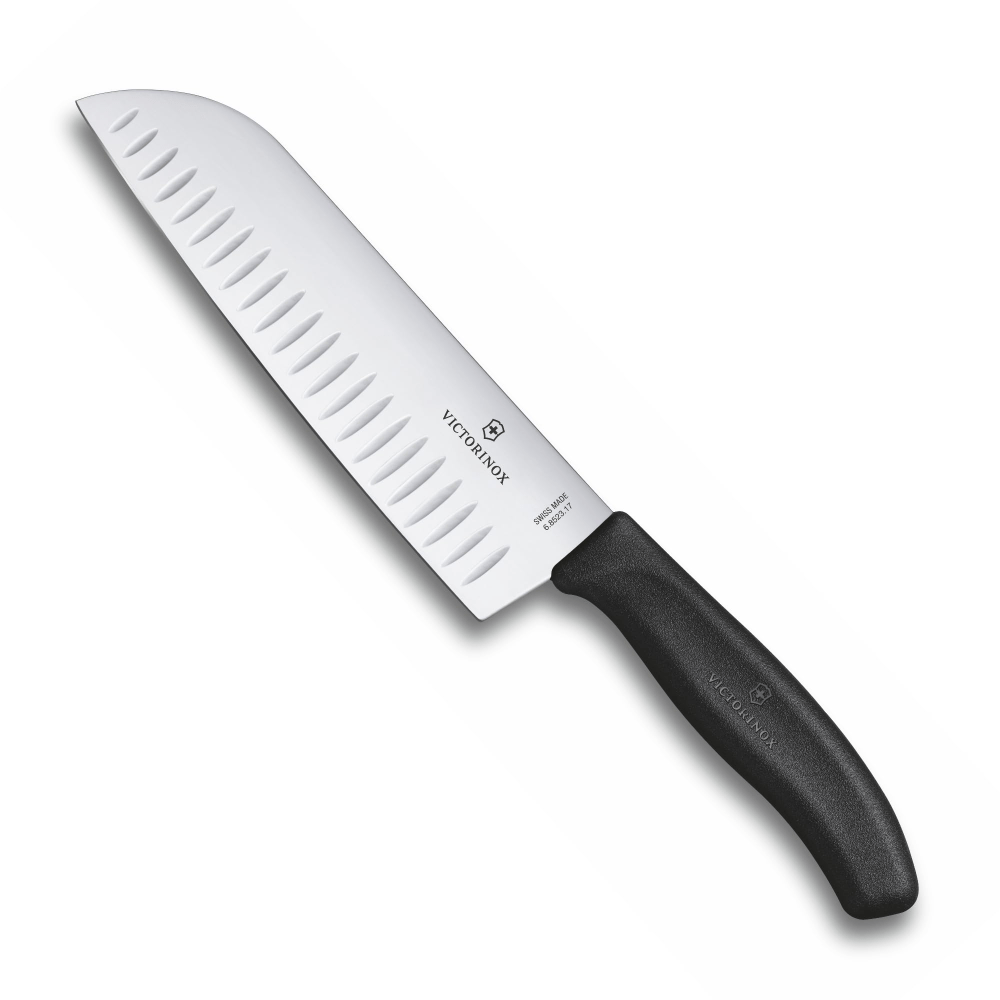
Vegetable (Santoku) Knife
500
Name four other types of kitchen hazards (besides burns and sharp objects) and how to prevent them
Long hair - Should be pulled back and out of the way with a hair tie
Jewelry - Bracelets and rings can fall off or get snagged
Loose clothing - Can get into food and bring germs and mess
Electrical Appliances - Can cause shocks or break outlets - one item per outlet, no extension cords
Tripping hazards
500
Choose two people from your group to demonstrate all the kitchen communication phrases.
Heard
Yes chef
Sharp
Hot
Behind