Galactic Expectations
Shadows/Daylight
Stars and Gravity
Constellations
1
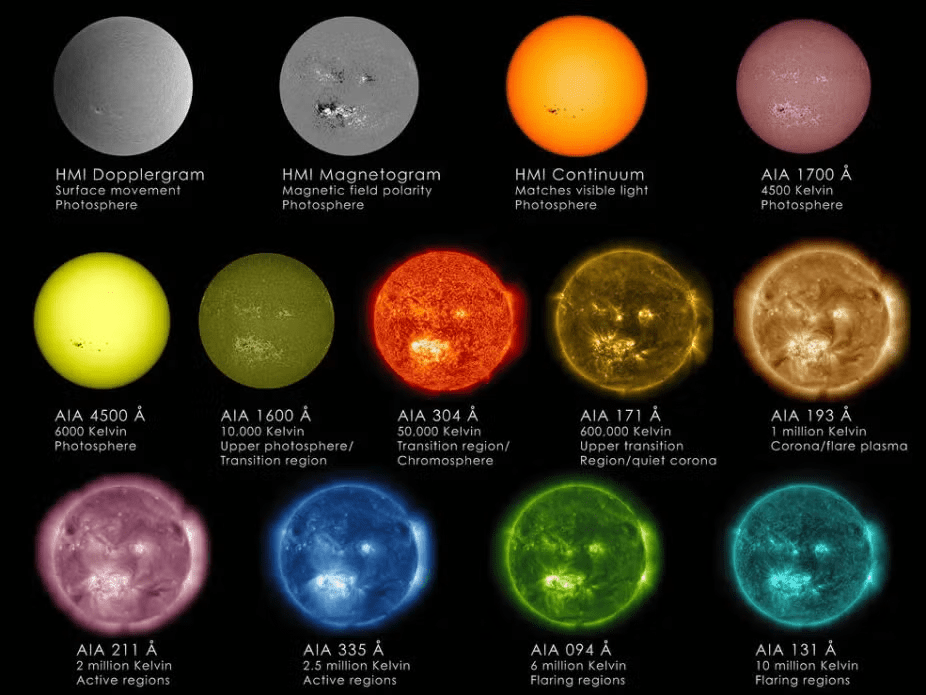
Are all stars the same size? If no, what are the differences?
(At least 2)
Color, Size, Temperature
1
How does your shadow change during the day? Why?
It goes from shorter to longer to shorter because of the sun's position in the sky.
1
What is the definition of a star? There is a certain answer I am looking for...
An exploding ball of hot gas held together by gravity.
1
Why do we see different constellations each season?
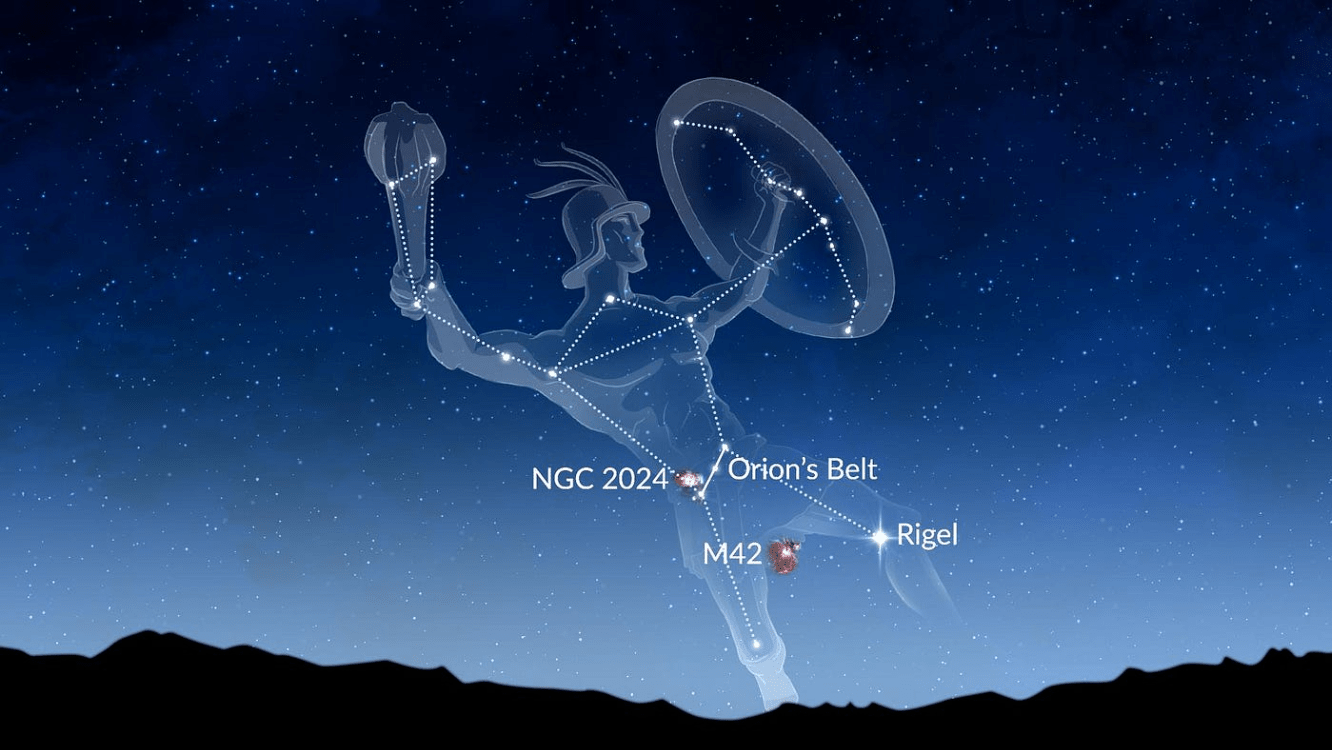
Because the Earth rotates on it's axis while it orbits the sun.
2
What invisible line goes across the middle of the Earth? What does the sun do on this line?
Equator. Gets the most sun.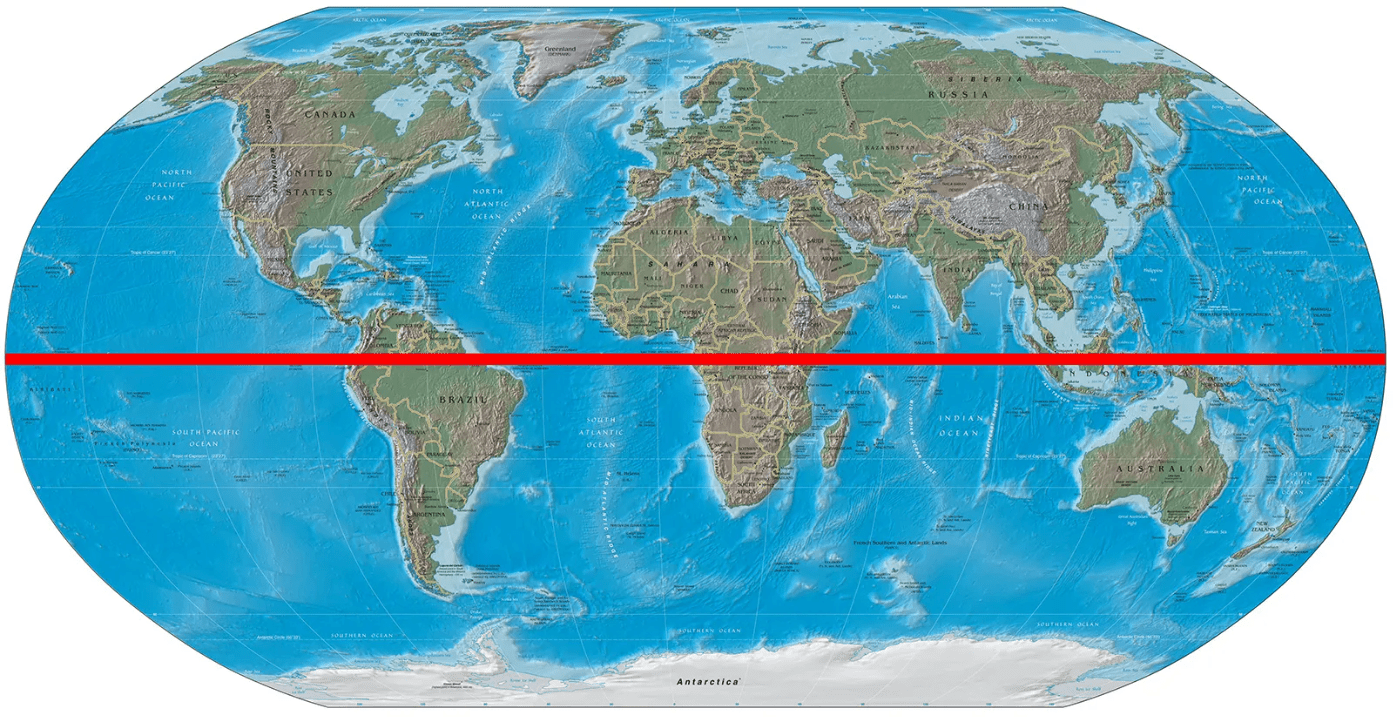
2
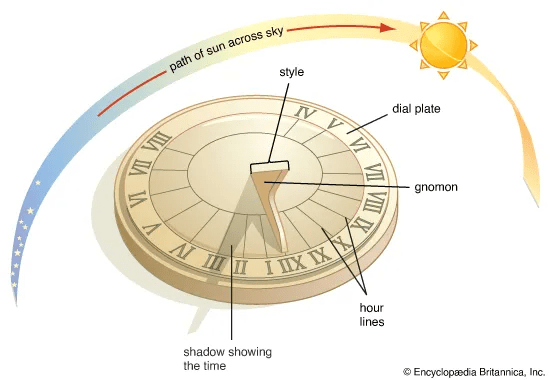
How did civilizations in the past use shadows for things in daily life?
Time keeping, season tracking, and constructing buildings.
2
Describe what a 'light year' is.
The distance light travels in one year.

2
Why did people in the past study stars for their daily lives?
Navigation; seasons for farming; calendars/time keeping; astrology/religion
3
What's at least one pattern with the sun?
Rising East to West; Higher mid-day - lower beginning and end
3
With the light of the sun, in which direction do shadows lean, and during what time of the day? (There should be at least 2)
In the morning, the sun creates shadows that lean to the west, and later in the day, shadows lean to the east.
3
Thinking about our distance from the sun, what zone do we live in? (Not too cold, or too hot, just right)
Habitable zone.
3
If you see a constellation in the eastern sky early in the evening, where will it most likely be later that night? Explain your thinking.
It will move west across the sky because of Earth's rotation.
4
Why do stars glow?
Energy and gravity cause elements to collide.
4
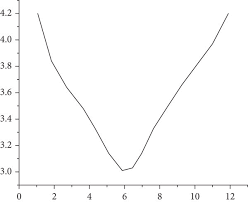
If you placed a stick in the ground and traced its shadow every hour, what pattern would you notice? Draw it or describe it.
A line/wave that starts higher, dips lower, and returns to the same height as the first section.
4
What are solar flares, and how do they affect us on Earth?
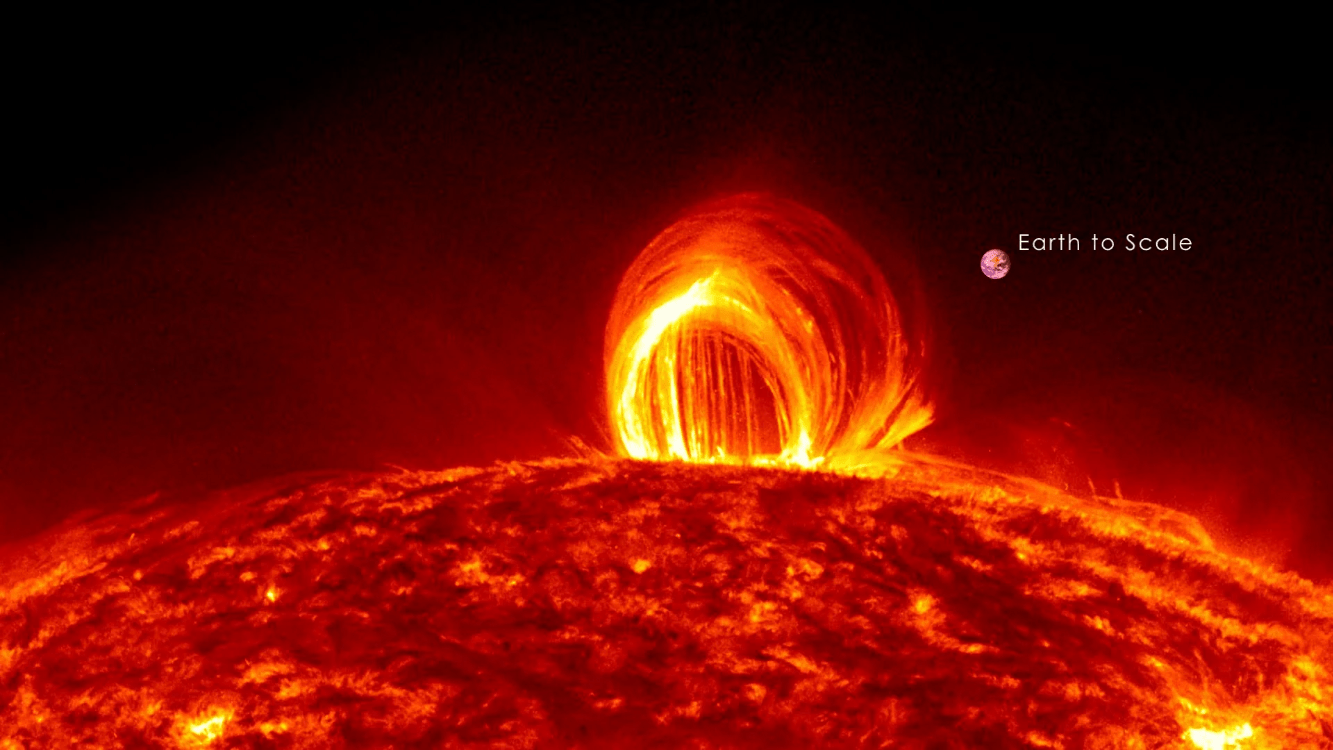
They are bursts of high-energy radiation. They affect us by coming to earth and interfering with satellites, broadcasts, and cell phone service.
5
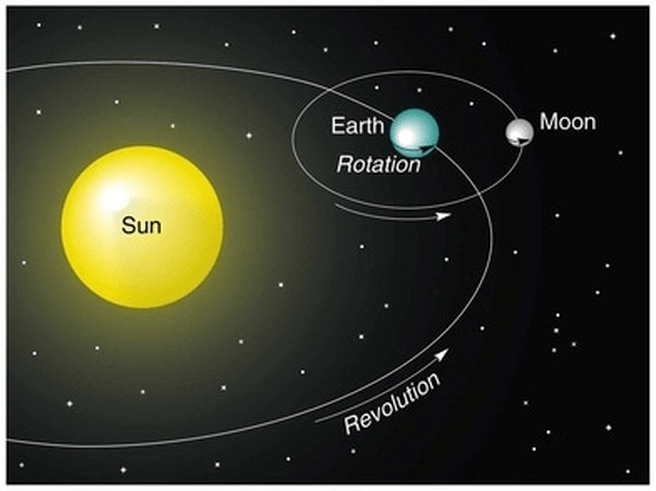
How do the Earth, Moon, and Sun move around each other?
Bonus question: Does the moon rotate?
The Earth rotates on its axis, and then it orbits around the sun. The moon orbits the Earth. The Sun stays in the same place.
5
Does the Earth orbit at the same speed all year? If not, what time of the year is the slowest and fastest?
No. The Earth's orbit speeds up during the winter and slows down during the summer.
5
Define Newton's first law.
An object at rest stays at rest, and an object in motion stays in motion at a constant velocity unless acted upon by an unbalanced external force.
6
How can planets move in an orbit if objects only move in straight lines?
Bonus question: How come we can't feel each other's gravity?
Gravitational Pull.
More mass, more gravity.