Space 1
Space 2
Space 3
Space 4
Space 5
100
Example of a celestial body
The moon, sun, comet, asteroid, etc.
100
The force of gravity increases as distance
increases
100
What is the largest planet in our solar system.
Jupiter
100
Time when daylight is the longest in hours
Summer solstice
100
If the northern hemisphere tilts toward the sun, what is the season?
summer
200
What phase of the moon is shown here? 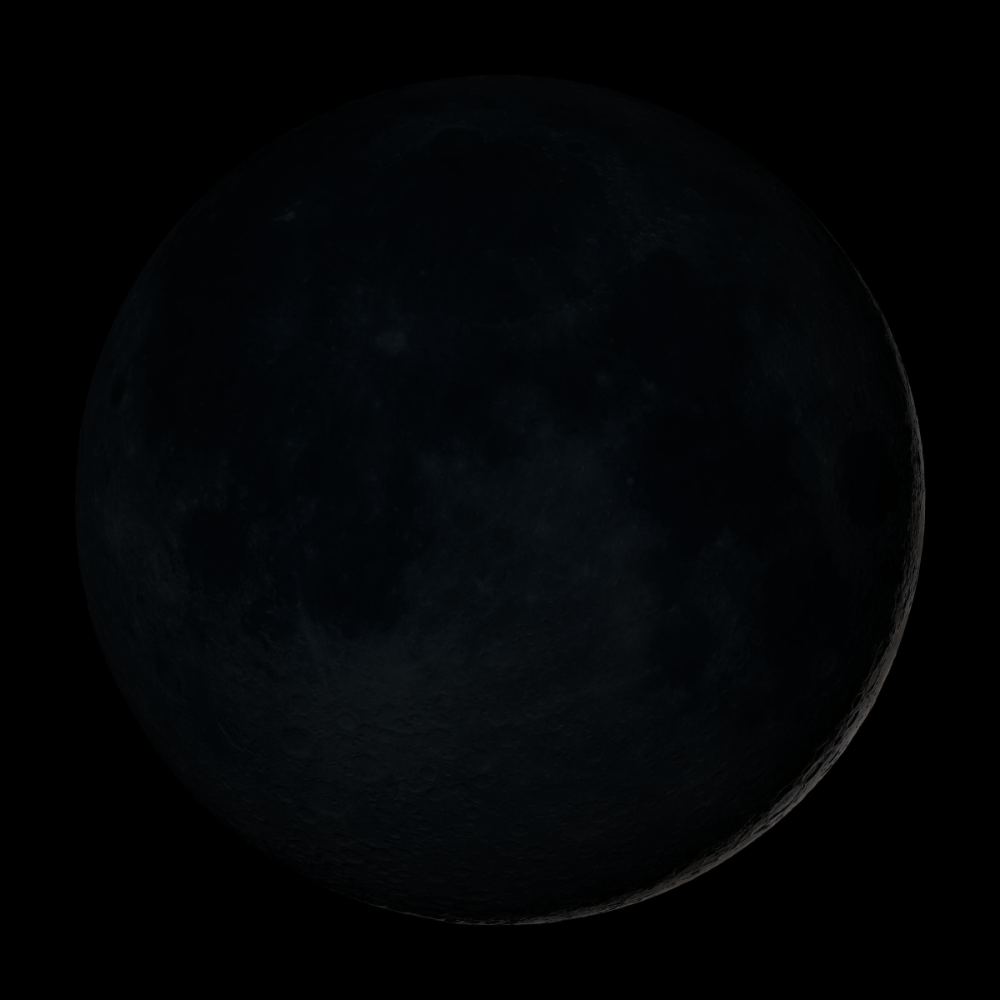
New Moon
200
One revolution on Earth is how long?
365 days
200
Planet with the shortest year
Mercury
200
The shape of the orbits of comets and asteroids
Ellipse
200
A collection of stars forming a pattern is called
Constellation
300
What causes to have four seasons?
Seasons are the result of the tilt of the Earth's axis.
300
Planet with the most gravity is
Jupiter
300
A celestial body orbiting a planet
moon
300
What is the name for the path that a planet takes around the Sun?
Orbit
300
The dark shadow of an eclipse
umbra
400
When a shadow falls on a planet or moon, this is occurring.
Eclipse
400
What are the months of the equinoxes?
March and September
400
Name the moon phase after the new moon.
Waxing Crescent
400
About how many hours are between tides?
6
400
The moon and Earth have their orbital planes aligned.
False
500
Why does the north pole receive almost 24 hours of light but no get much warmer?
Sunlight hits at an extreme angle spreading the light out.
500
A lunar cycle has how many phases?
8
500
The same side of the moon always faces the Sun.
True
500
What is the type of eclipse is viewed in the penumbra?
Partial
500
A tide that occurs when the Sun, moon and Earth are all in alignment.
Spring