Mediterranean Climate
Subtropical Climate
Oceanic Climate
Mountain Climate
Climate Graphs
100
All Mediterranean climates have these characteristics in common:
1. _____ _____ annual precipitation. Less than 600 l/m2 per year.
2. ______ ______. Hot, dry summers with little precipitation.
1. Low total annual precipitation. Less than 600 l/m2 per year.
2. Summer drought. Hot, dry summers with little precipitation.
100
Subtropical: The temperature is ____ all year round. 20°C average, and slightly hotter in the summer.
Subtropical: The temperature is mild all year round. 20°C average, and slightly hotter in the summer.
100
Oceanic climate has _____ temperatures. 25°C average in the summer and 11°C average in the winter.
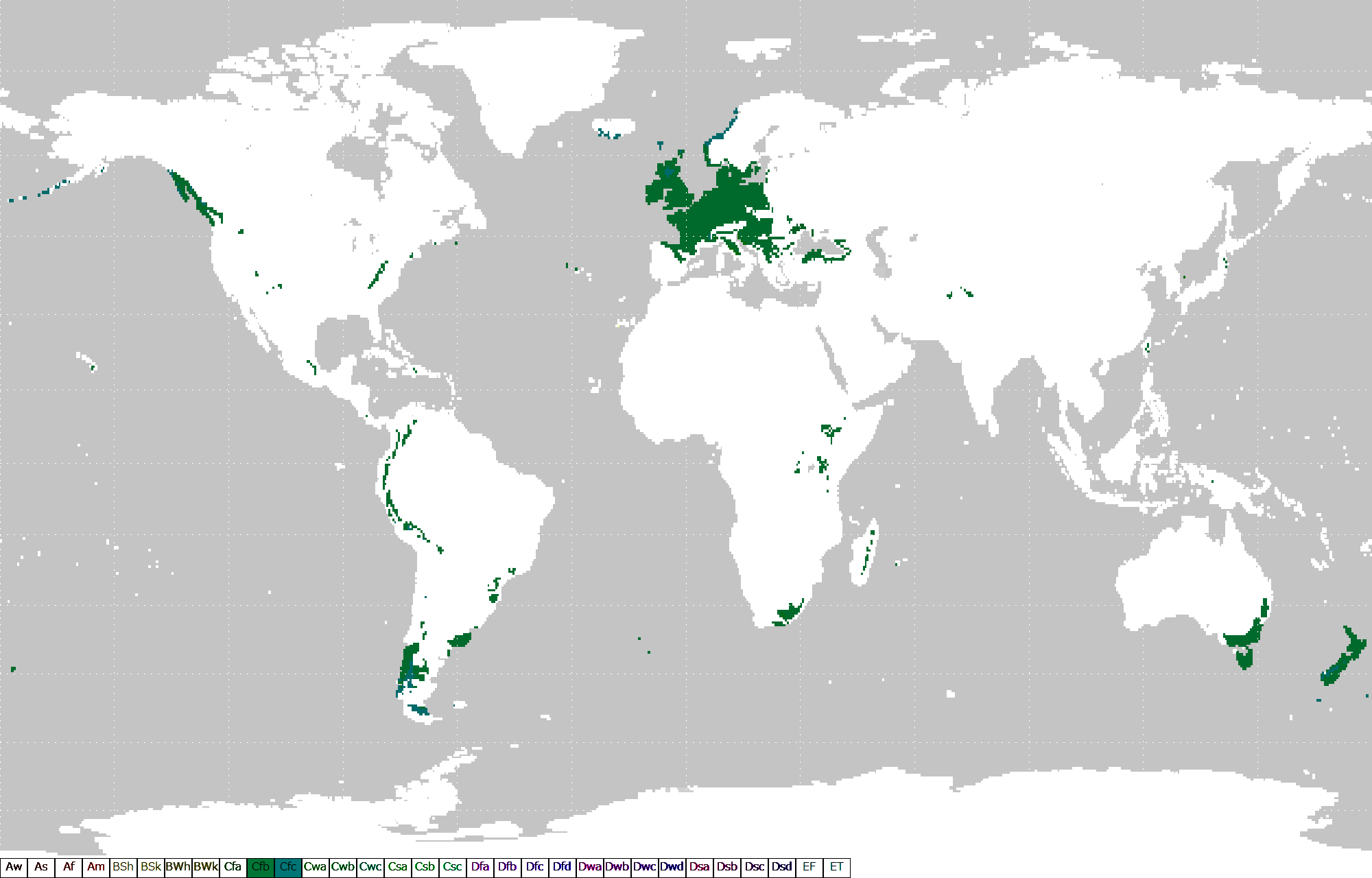
Oceanic climate has mild temperatures. 25°C average in the summer and 11°C average in the winter.

100
Mountain temperature:
As _______ increases, ________ decreases. 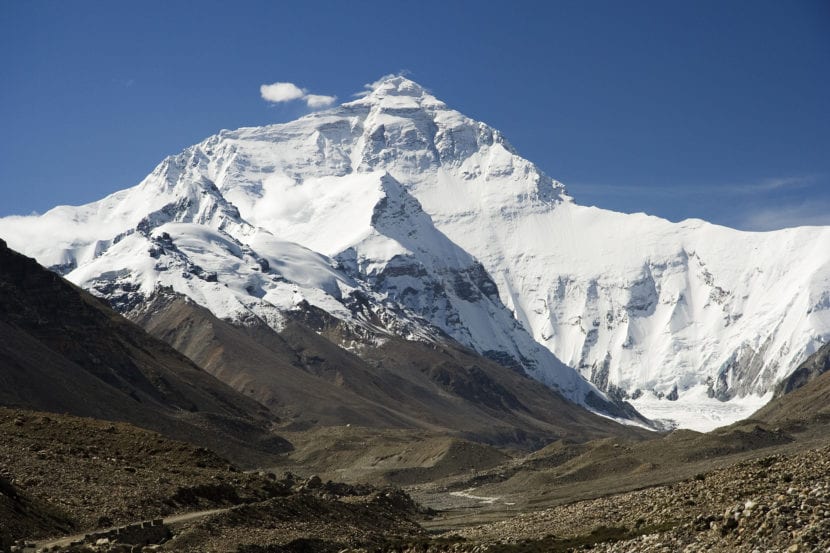
Mountain temperature:
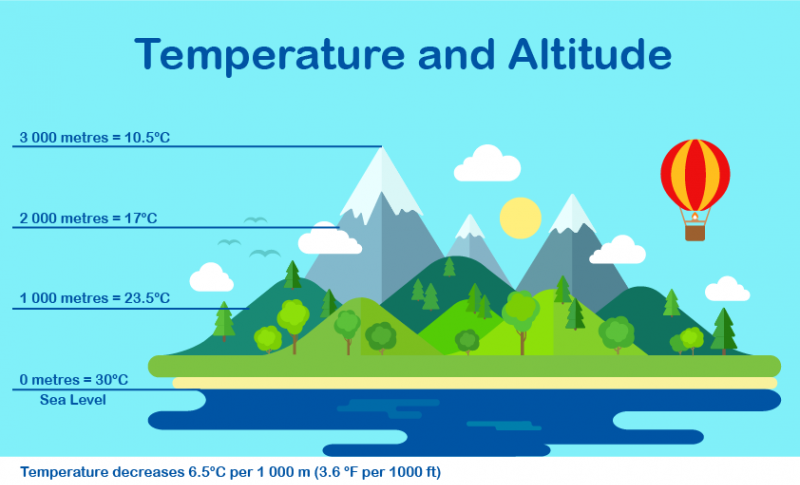
As altitude increases, temperature decreases.
100
A climate graph shows the ______ and _______ in a particular area throughout the year.

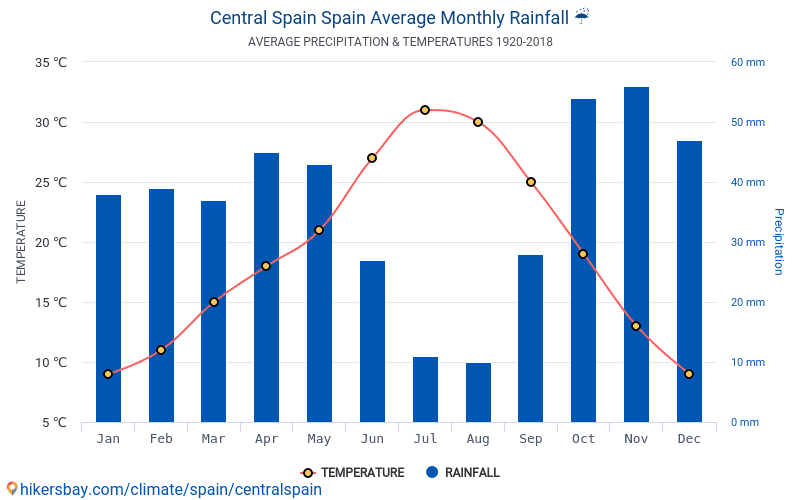
A climate graph shows the temperature and precipitation in a particular area throughout the year.
200
Inland Mediterranean climate has ___ ____ winters, 4°C average, hot summers, above 24°C.
Precipitation is _____ and irregular, about 400 l/m2 per year.
Hint: Think YOUR climate.
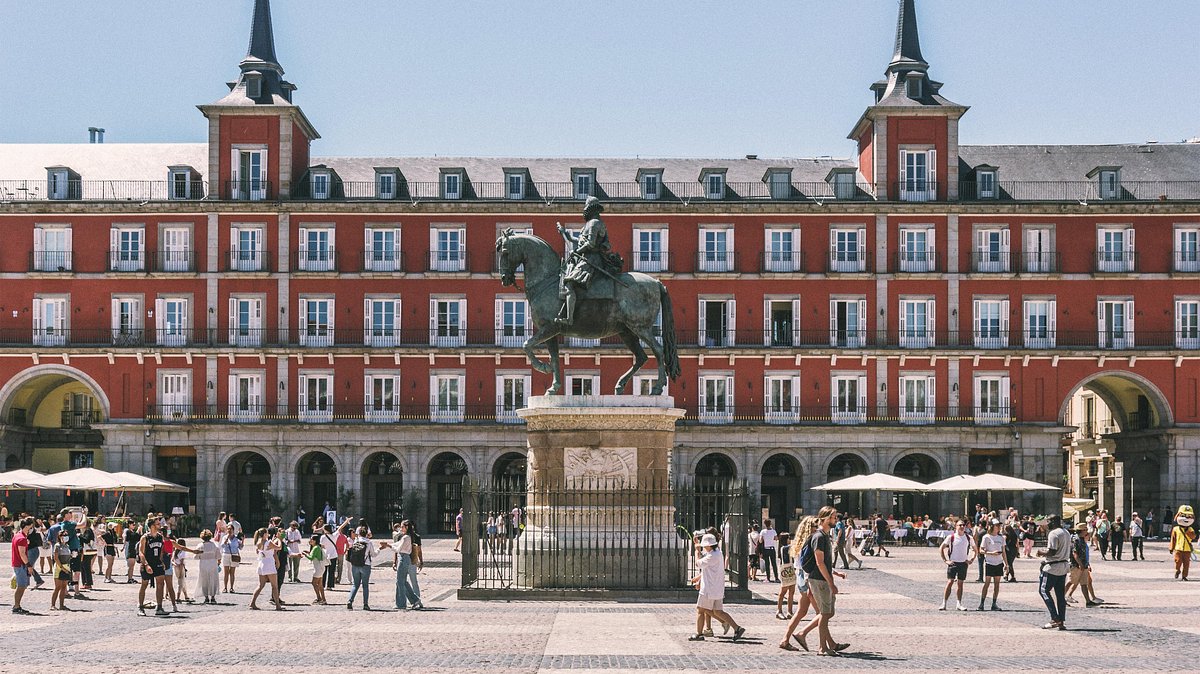
Inland Mediterranean climate has very cold winters, 4°C average, hot summers, above 24°C.
Precipitation is scarce and irregular, about 400 l/m2 per year.
200
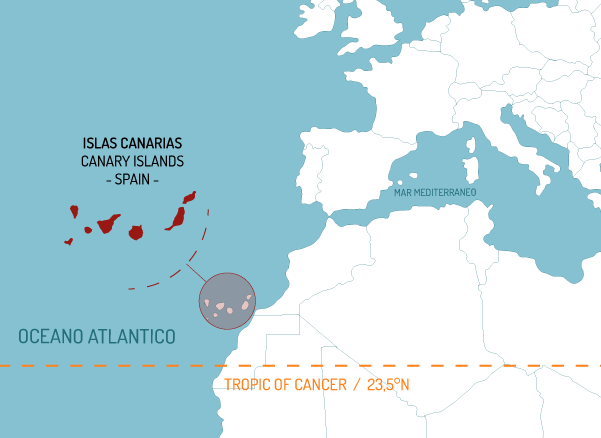
The _____ ______ is the only region of Spain that has a subtropical climate. This is because it is near the Tropic of Cancer and closer to the hot zone.

The Islas Canarias is the only region of Spain that has a subtropical climate. This is because it is near the Tropic of Cancer and closer to the hot zone.
200
Oceanic climate has ________ precipitation _______ round. Above 1,100 l/m2.
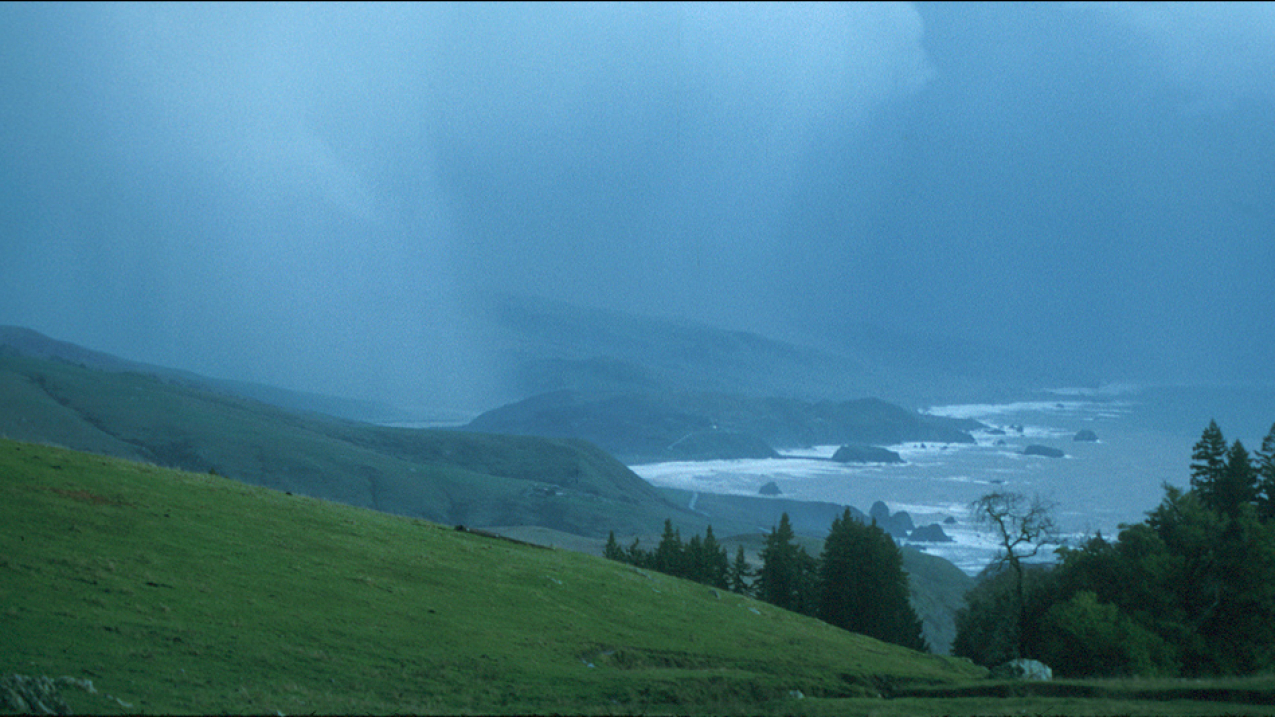
Oceanic climate has abundant precipitation all year round. Above 1,100 l/m2.

200
Mountain precipitation:
As _______ increases, ________ increases.
Mountain precipitation:
As altitude increases, precipitation increases.

200
What is shown on the left-hand vertical axis?
Temperature. It is also shown in intervals of 5°C.

300
The typical Mediterranean climate has ____ winters, 10°C average, and hot summers, 25°C average.
Precipitation is ______ and irregular, below 600 l/m2 per year.
The typical Mediterranean climate has Mild winters, 10°C average, hot summers 25°C average.
Precipitation is scarce and irregular, below 600 l/m2 per year.

300
Subtropical:
Precipitation is scarce. But is higher in ______ areas.
Subtropical:
Precipitation is scarce. But is higher in mountain areas.

300
The oceanic climate is found in the north of the Peninsula Ibérica, near the ______ ocean and the Cantabrian sea.
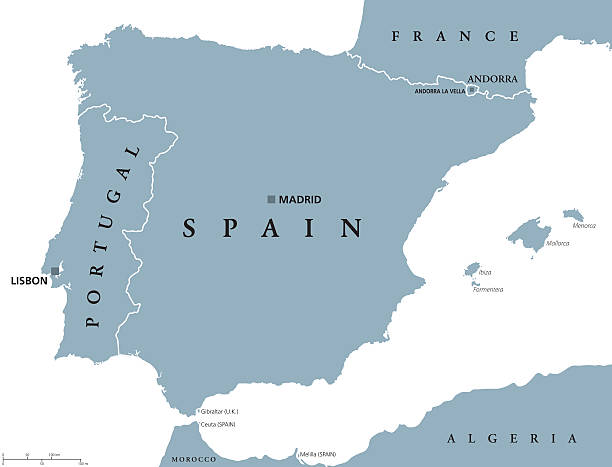
The oceanic climate is found in the north of the Peninsula Ibérica, near the Atlantic ocean and the Cantabrian sea.

300
Mountain Climate:
Temperatures are _____ all year round. Often below 0°C in winter, and 15°C average in summer.
Precipitation is _______ all year round, and there is snow in the winter.

Mountain Climate:
Temperatures are low all year round. Often below 0°C in winter, and 15°C average in summer.
Precipitation is abundant all year round, and there is snow in the winter.

300
What is shown on the right-hand vertical axis? What is it measured in?
Precipitation. It is measured in Litres/m2.
400
___ Mediterranean climate has high temperatures all year round, 20°C average and can reach 45°C in summer.
Precipitation is very ______. About 300 l/m2 per year.

Dry Mediterranean climate has high temperatures all year round, 20°C average and can reach 45°C in summer.
Precipitation is very scarce. About 300 l/m2 per year.
400
Subtropical:
Islas Canarias: Altitude and proximity to the sea affect the _____ climate and ______ precipitation because it is situated close to the hot zone and to the sea.

Subtropical:
Islas Canarias: Altitude and proximity to the sea affect the mild climate and scarce precipitation because it is situated close to the hot zone and to the sea.
400
Why is it called the oceanic climate?
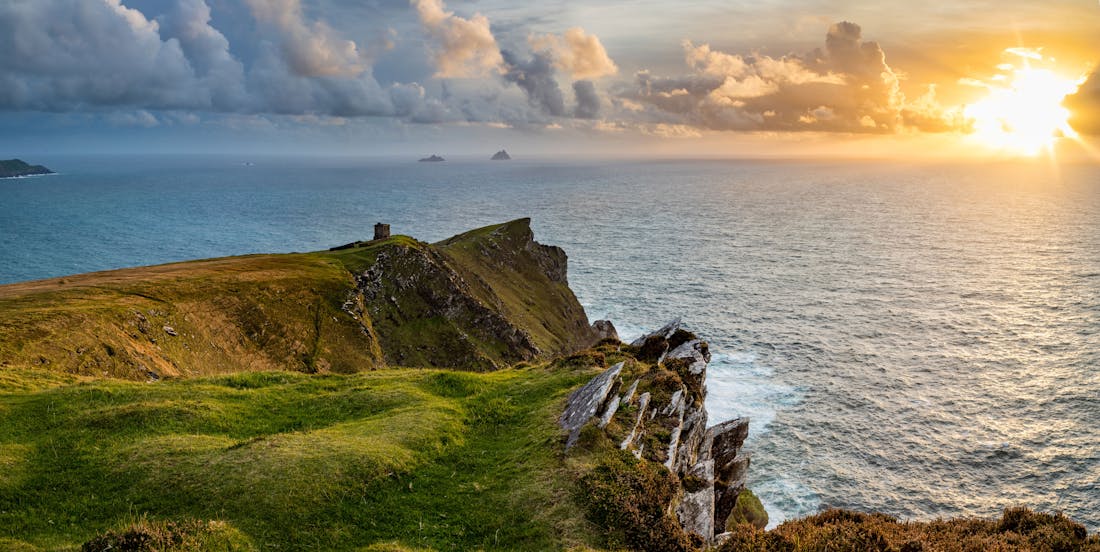
Because it is located near the ocean, and other large bodies of water!
The climate is very affected by the proximity to the ocean.
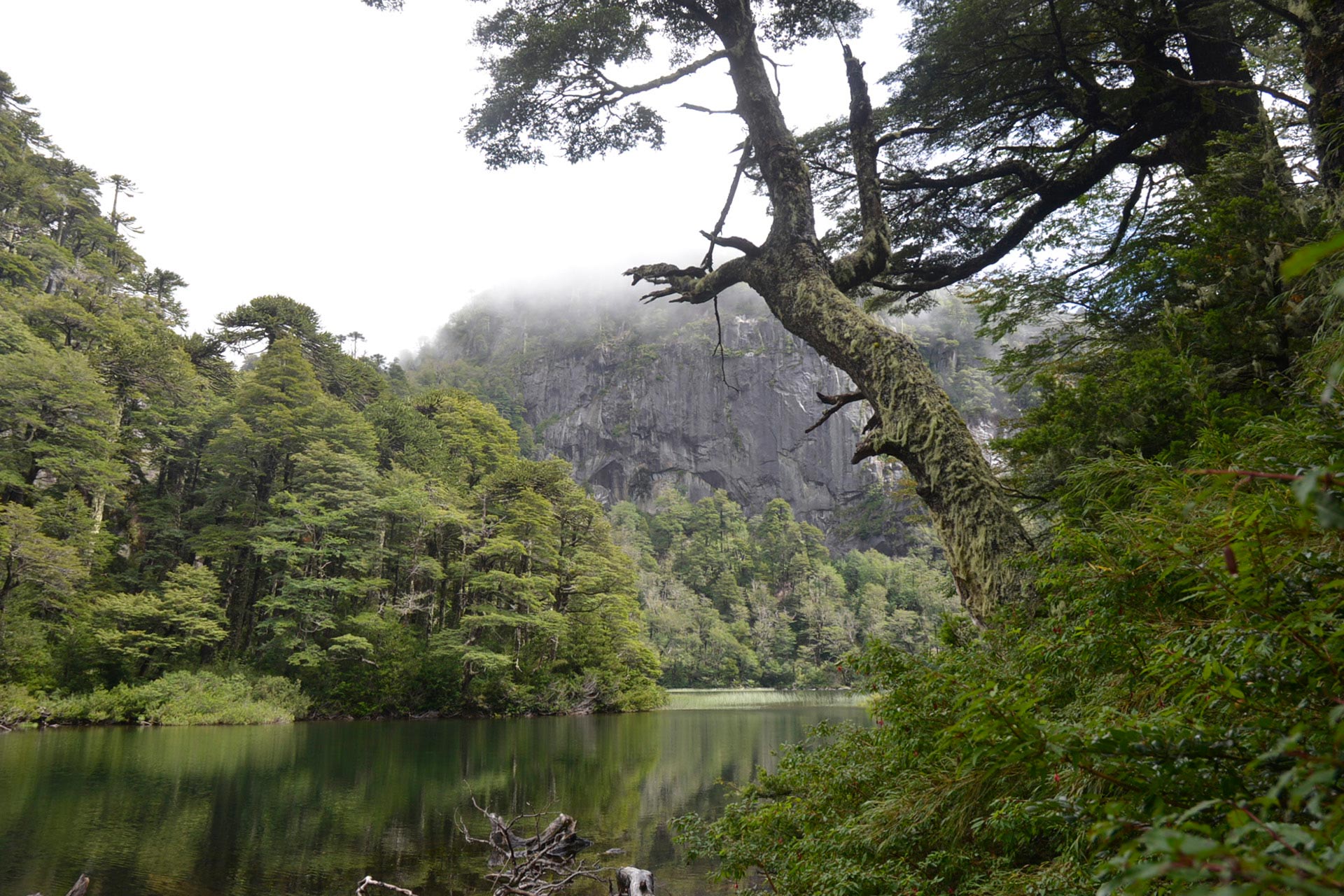
400
What is the climate of the highest regions called?
What is the climate of the highest regions called? Mountain climate.
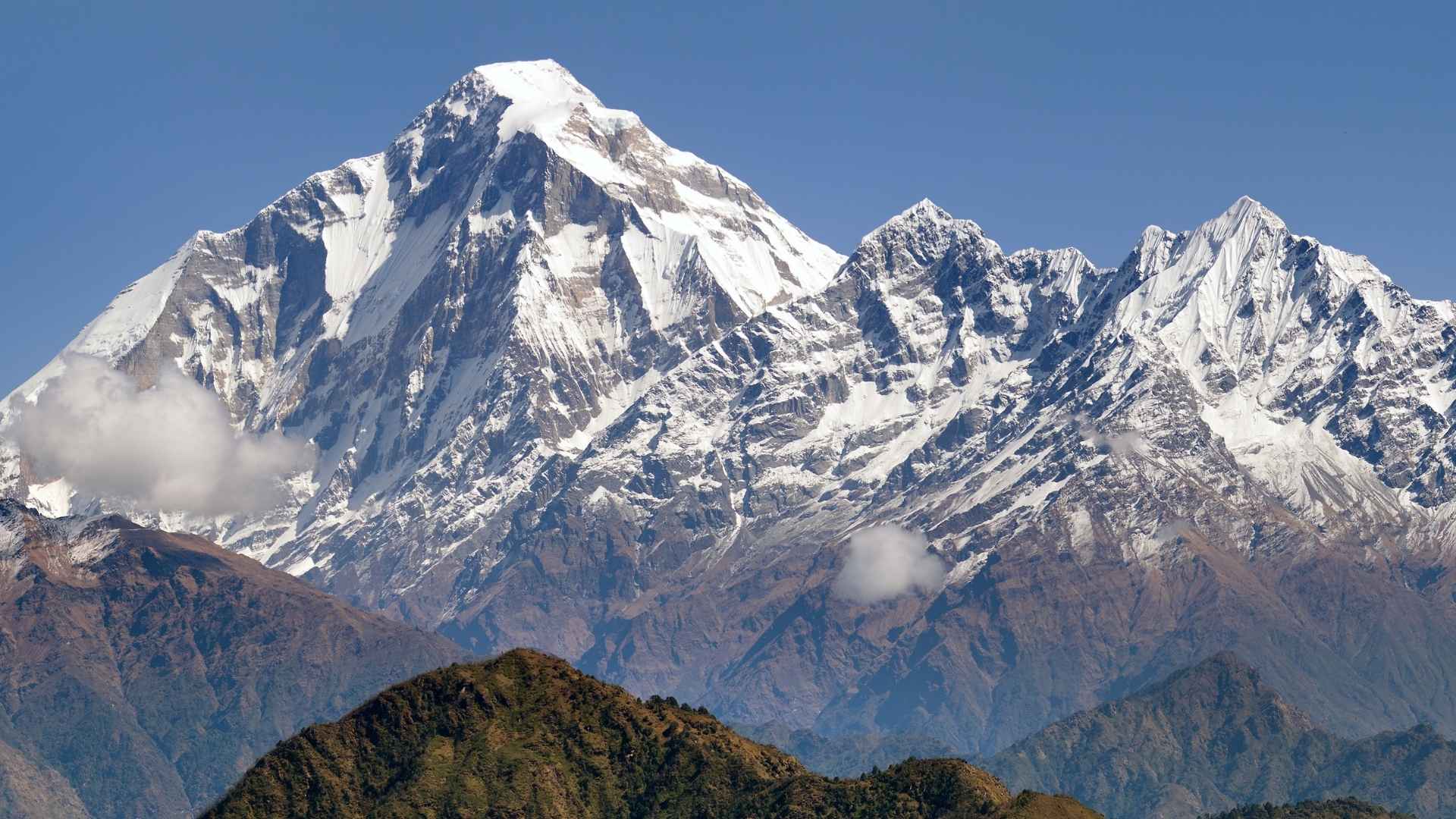 (Also Mia's favorite climate to look at)
400
What is a temperature range?
It is the difference between the ____ and _____ temperatures during the year.
If the temperature range is above 15°C it is an inland climate. If it is below ____°C it is a coastal climate.
Temperature range is the difference between the maximum and minimum temperatures during the year.
Temperature Range = Maximum Temperature - Minimum Temperature
If the temperature range is above 15°C it is an inland climate. If it is below 15°C it is a coastal climate.
500
Holm oak, Cork oak and pine trees grow in the ______ ______. It is in the ______ Mediterranean climate.
Holm oak, Cork oak and pine trees grow in the Mediterranean Forest. It is in the typical Mediterranean climate.
500
Where is another place with a subtropical climate?
Anywhere in yellow in this map!
500
How does the sea proximity affect the temperatures in the oceanic climate?
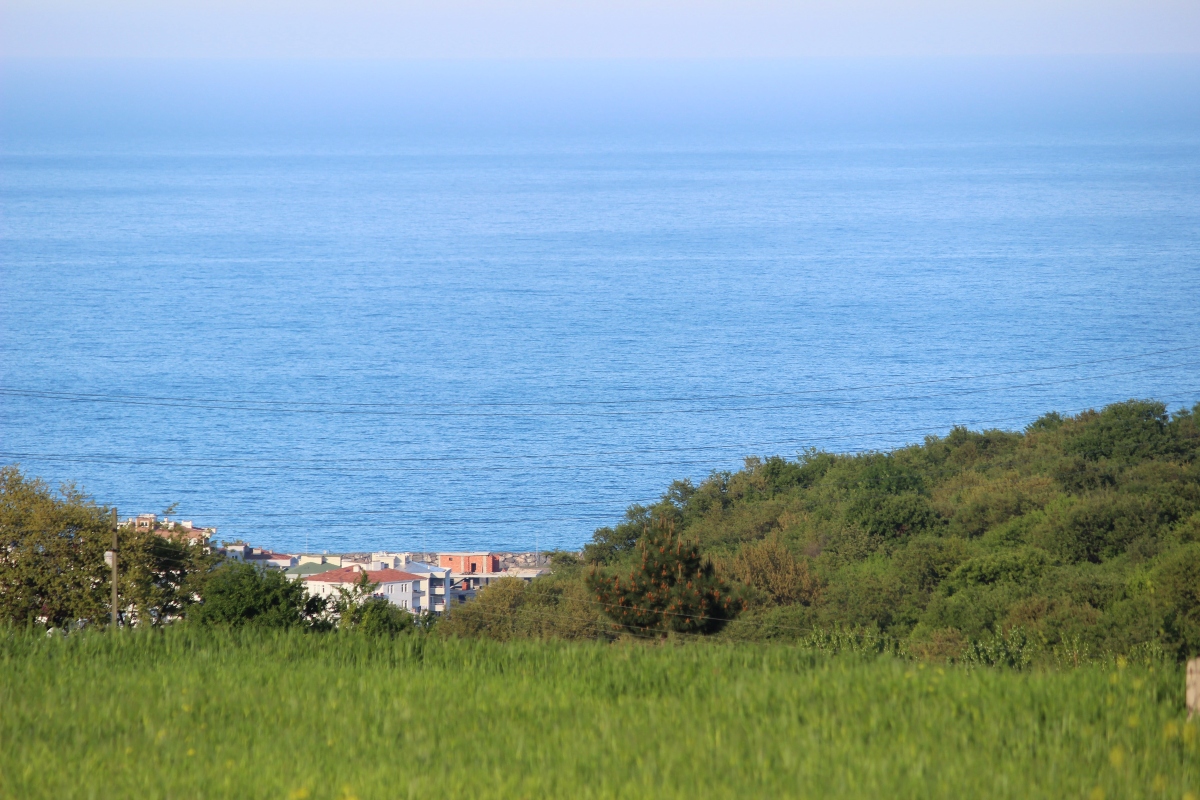
Hint: remember what the sea does at night and at day for temperatures.

The proximity to the sea makes the temperatures more mild!
500
If you are 10 meters higher, does your temperature change?

No! There is only -6.5°C for every 1,000 meters of altitude gained.
2,000 meters = 13°C less temperature
3,000 meters = 19.5°C less temperature
4,000 meters = 26°C less temperature
The tallest mountain (Mt. Everest) is 8,849 meters. That means it is 57.5°C less temperature than the bottom of the mountain!

500
How do you find the total annual precipitation?
By adding the amounts of precipitation each month!
Blue bar + blue bar + blue bar + blue bar ......= total annual precipitation.