Change is a Comin'
Rebellion!
Let's Compromise
American Geography
New Republic Era
Reconstruction
100
This reform movement worked to limit alcohol consumption in the United States.
Temperance Movement
100
This rebellion convinced many leaders that a stronger national government was needed.
Shays’ Rebellion
100
This compromise created a bicameral legislature.
The Great Compromise
100
This "mighty" river served as the major trade route and boundary for westward expansion.
Mississippi River
100
This president warned against political parties and foreign alliances.
George Washington
100
This amendment ended slavery in the United States.
13th Amendment
200
This reformer exposed poor conditions in mental institutions.
Dorothea Dix
200
This rebellion was led by farmers protesting taxes on whiskey. George Washington led the military personally to put it down.
Whiskey Rebellion
200
This compromise allowed Missouri as a slave state and Maine as a free state.
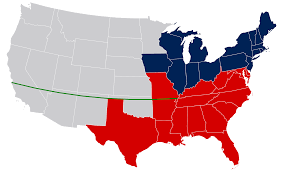
Missouri Compromise
200
These mountains formed a natural barrier to early westward expansion.
Appalachian Mountains
200
"But I was supposed to be a federal judge!!!" This court case established judicial review in 1803.
Marbury v Madison
200
This organization used violence to resist Reconstruction policies. They were infamous for wearing white robes and hoods.
The Ku Klux Klan
300
This movement aimed to end slavery in the United States.
abolition movement
300
This slave rebellion in Virginia in 1831 caused fear across the South.
Nat Turner’s Rebellion
300
This compromise counted enslaved people as part of the population for representation.
Three-Fifths Compromise
300
This colonial region’s fertile soil made it ideal for plantation agriculture and the expansion of slavery.
Southern Colonies
300
This conflict increased American nationalism and was the inspiration for the Star Spangeld Banner. It ended up being a draw with Britain though for the most part.
War of 1812
300
This system of agriculture kept many former slaves in economic dependence on landowners.
Sharecropping
400
This 1848 convention marked the beginning of the organized women’s rights movement in the United States.
Seneca Falls Convention
400
This economic policy required the colonies to trade primarily with Britain, leading to growing resentment and a "rebellion" of their own!
Mercantilism
400
This compromise included a stricter Fugitive Slave Laws, and admitted California into the Union as afree state.
Compromise of 1850
400
This river was especially important to trade and settlement in New York and helped connect inland farmers to Atlantic markets.
The Hudson River
400
This law passed during John Adams’ presidency limited free speech and targeted critics of the government.
Alien and Sedition Acts
400
This was a northern businessman that was accused of taking advantage of the southern depression to enrich themselves
Carpetbagger
500
This formerly enslaved abolitionist used powerful speeches and his autobiography to expose the realities of slavery and argue for immediate emancipation.
Frederick Douglass
500
The Confederacy believed this economic resource would force European nations to support their rebellion, as it was extremely important.
Cotton
500
Hardly a "compromise", this agreement tried to reduce sectional conflict by allowing popular sovereignty in new territories, but would lead to blood in the streets.
Kansas-Nebraska Act (Bleeding Kansas)
500
The acquisition of this territory after 1848 intensified sectional conflict because it raised the question of slavery in new lands.
The Mexican Cession
500
What political policy is featured in the cartoon below?

Monroe Doctrine
500
This was the federal organization that was tasked with assisting recently freed slaves with finding work, housing and other opportunities following the civil war.
The Freedman's Bureau