Life Science
Geology
Weather & Astronomy
Matter
Life Science 2
100

List 2 organisms that would be in competition with each other.
Blue whale/seagull/squid/seal [krill]
Krill and penguinm [plankton]
Seal and Seagull [squid]
100
What does conservation mean?
The wise use and protection of natural resources
100
What is the order of a solar eclipse?
1. sun 2. moon 3. earth
100
What state of matter sas a definite shape; will stay the same unless you do something to change it
Solid
100
What is the purpose of a plant having a tap root?

A tap root anchors a plant into the soil and allows the plant to get water from deep under the ground.
200
What is an omnivore? Can you give me an example?
Animals that eat plants and consumers.
Ex: Racoon, bear, frogs
200
What is the difference between a constructive force and a destructive force?
Destructive (weathering and erosion) = breaking land
Constructive (deposition) = building new land
200
Seattle always gets a lot of rain!
Is this statement describing weather or climate?
climate
200
List the tools you would use to separate the following mixture.
Sand, iron filings and glass marbles
magnet (iron filings)
strainer (sand)
tweezers/hand/spoon/funnel (glass marbles)
200
How would these seeds be dispersed?
Bonus: name both of these seeds
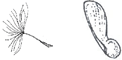
wind
Bonus: dandelion and maple
These seeds are lightweight and often have structures that look like wings to help them float in the air.
300
What role(s) would a squirrel have in an ecosystem?
consumer, herbivore, prey
300
Name a landform that is formed by deposition.
Delta, Sand Dune, Barrier Island (Darrier Island)
300
What causes the constellations to appear to change positions at night?
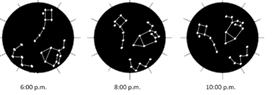
Earth's rotation
300
Which one is the odd one out?
Frying pan
Steel key
rubber eraser
water
Rubber eraser. It is an insulator, the others are conductors
300
What can you tell me about this skull?

Structure: Flat teeth
Function: grinding plants
cow skull, prey (eyes of side of head)
400

What type of environment would you find this fossil?
a land environment
400
Is this weathering, erosion or deposition?
Bonus: What is this called?
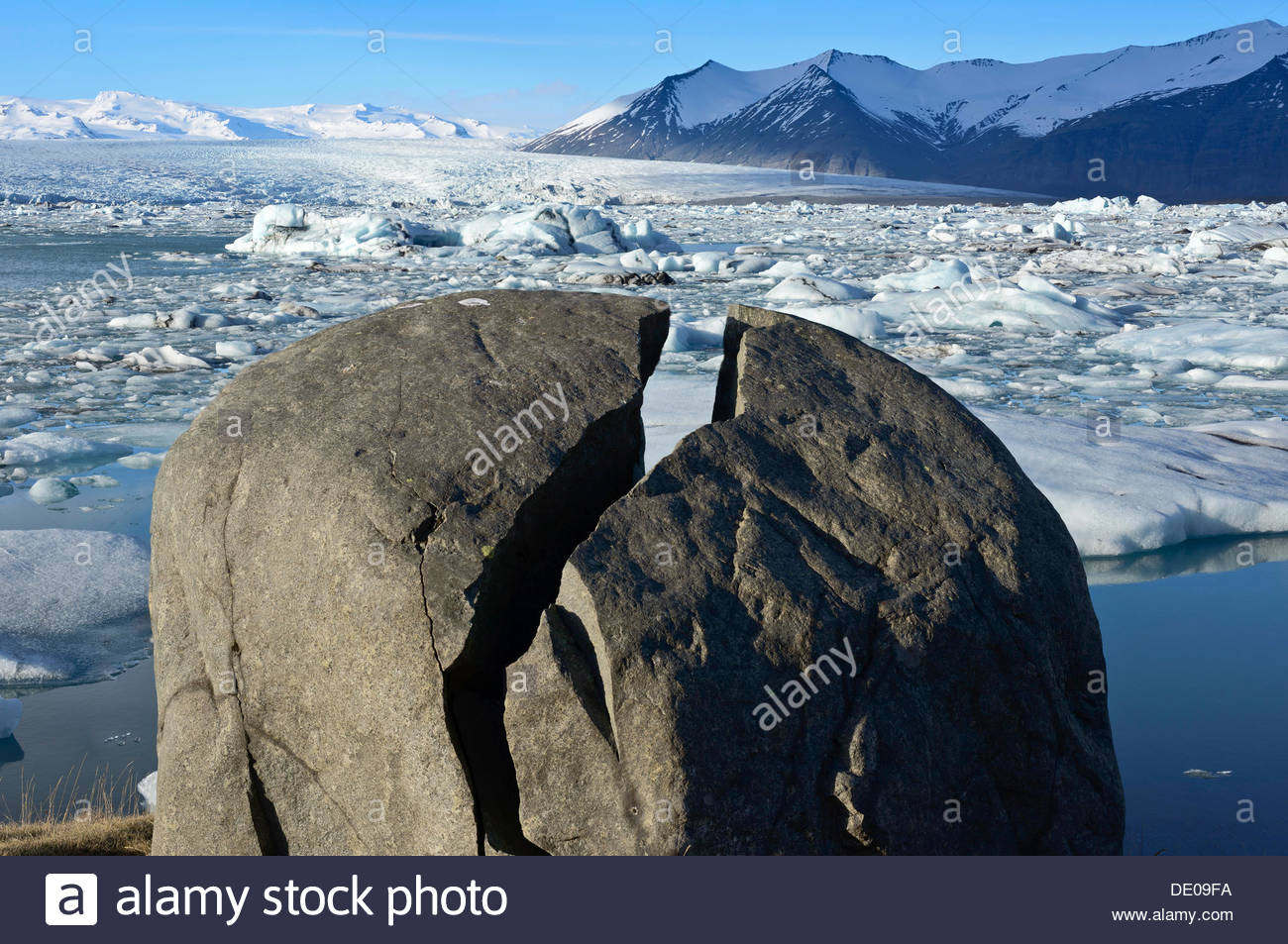
weathering
Bonus: ice wedging
Water may break apart rocks by changing temperature. When water freezes, it expands causing rocks to break apart into smaller pieces.
As water freezes and expands in the cracks of rocks, the rocks break apart.
400
The pattern of the Moon repeats about every ___ days.
29 1/2 days
acceptable answers: month, 30 days
400
Which liquid is more dense than dish soap?
Acceptable answers: honey or corn syrup
400
Is migration an inherited trait, instinct or learned behavior?
Instinct
Migration is an instinct where animals such as butterflies and birds move from one place to another in search of food, water or warmer temperatures.
500
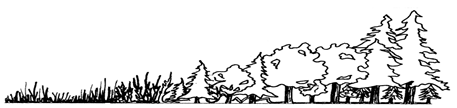 Progression of an ecosystem after a forest fire. What is this called?
[I KNOW IT'S HARD THAT'S WHY IT'S WORTH 500]
An ecosystem can repair itself after a forest fire or volcano. This natural process is gradual (slow) and begins when seeds are dispersed into the area by wind or animals. As the seeds begin to germinate, animals that eat plants move into the area to eat the plants. Those animals attract bigger animals who hunt the plant eaters. This natural process is called succession.
500
Which type of soil has the largest particle size and will drain the most water?
sand
These are the largest particles which means they have the most space for air between them. Since there is so much space between them, water can easily drain through. Sand does not retain water.
500
What size star is the sun?
Mid-sized or medium
500
List a physical property of matter.
A physical property of matter is something that can be observed or measured.
Ex: Flexibility, odor, color, size, volume, conductor/insulator, relative density, magnetism
500
What kind of feet would a heron, egret or crane have?
wading
long legs in relation to the bird’s body
allows bird to wade or walk into water without getting feathers wet
toes are spread wide to distribute the bird’s weight evenly over the sand or mud to prevent sinking
some wading feet have a balancing toe in the back while others do not