SAFETY FIRST
Take the Stage
WHAT A TOOOOOL!
Lights up!
Where even are we?!
Mister, I don't remember that
100
THESE are THE MOST IMPORTANT item you need to wear in the scene shop
What are SAFETY GOGGLES / GLASSES
100
The geographical middle of the stage is called THIS
What is CENTER STAGE
100
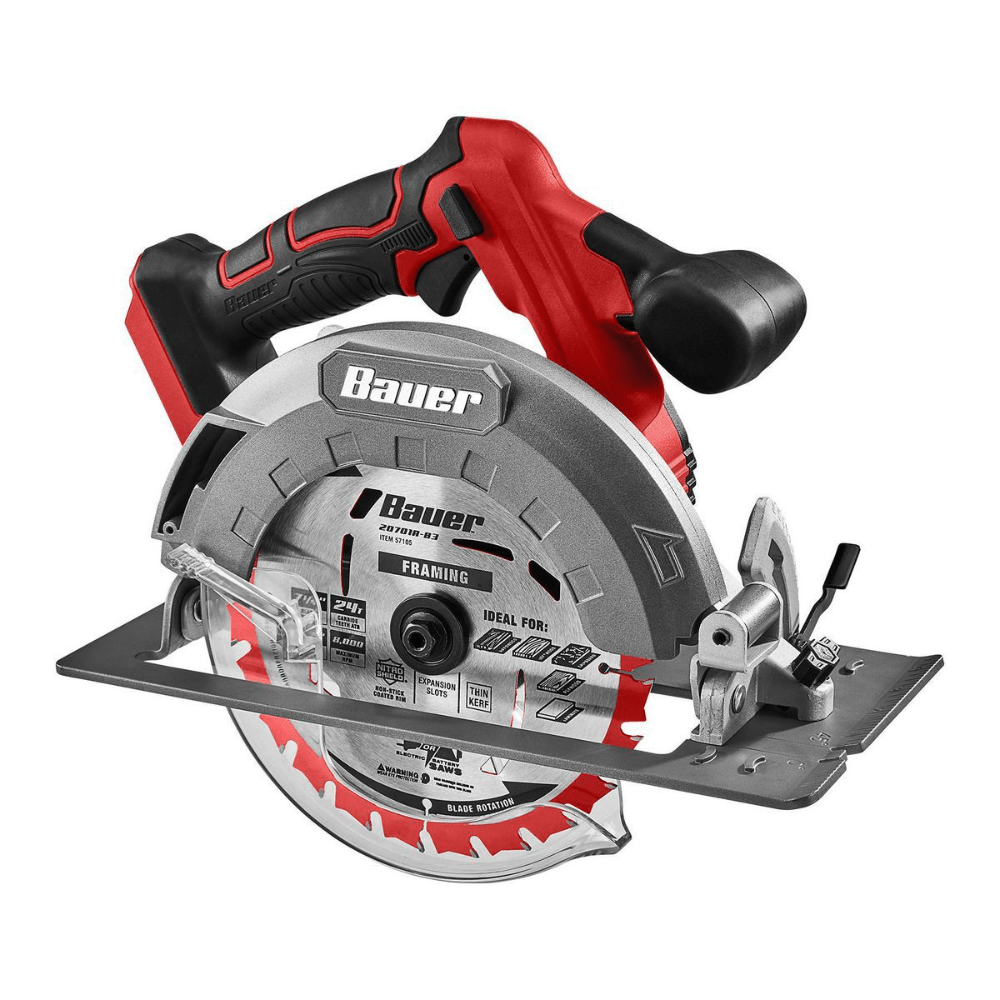
THIS tool is MOBILE and can cut sheets or boards in a straight line.
What is a CIRCULAR SAW
100
THIS is the most versatile and most utilized type of lighting unit.
It can throw light far, shape light, filter color, project images, and new ones are LED which require less power and produce far less heat.
What is an ELLIPSOIDAL / LEKO / SOURCE 4
100
THIS is the part of the theater that the audience sits in
What is the HOUSE
100
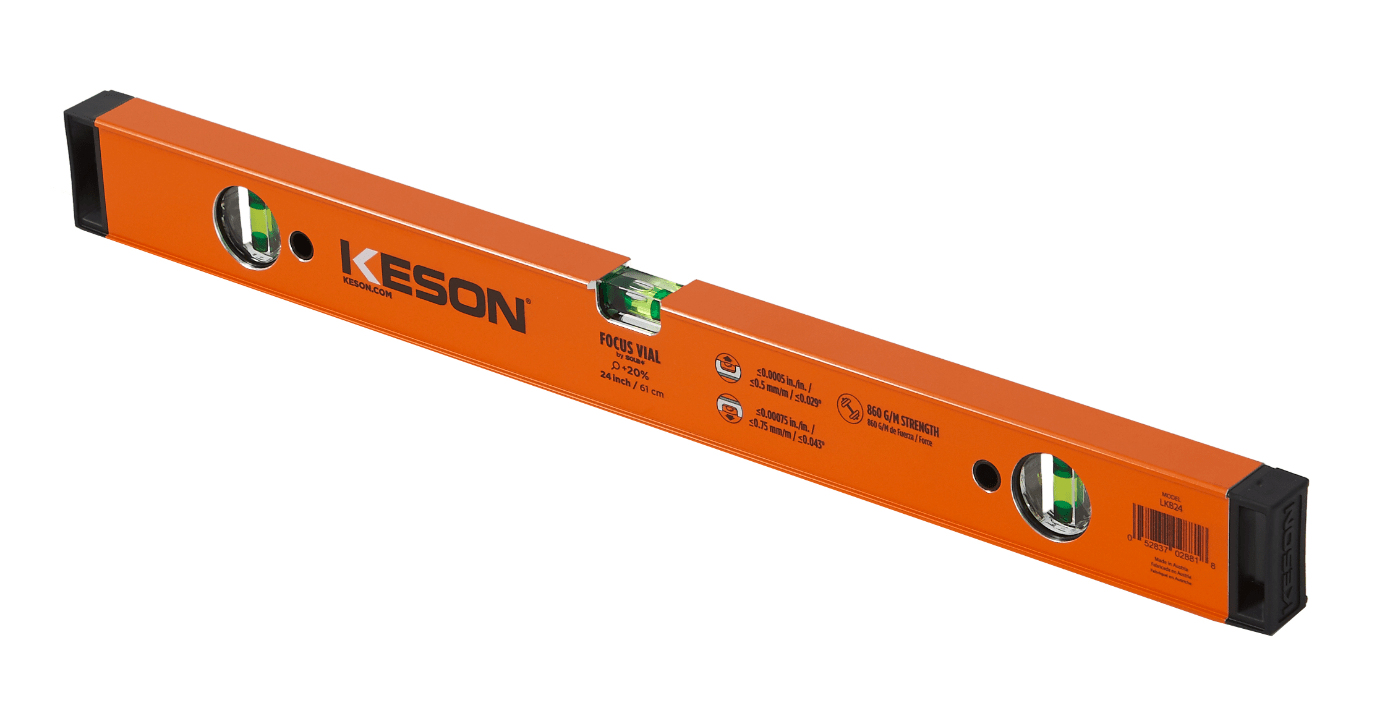 From point A to point B, we need to make sure the ground in Mario 1-1 is the same as THIS
What is a LEVEL
200
THIS type of clothing should never be worn in the scene shop
What is LOOSE or BAGGY clothing
200
Don't get turned around!
THIS area of stage is from the ACTOR'S perspective, but if you're looking at it from the audience it's on your RIGHT.
What is STAGE LEFT
200
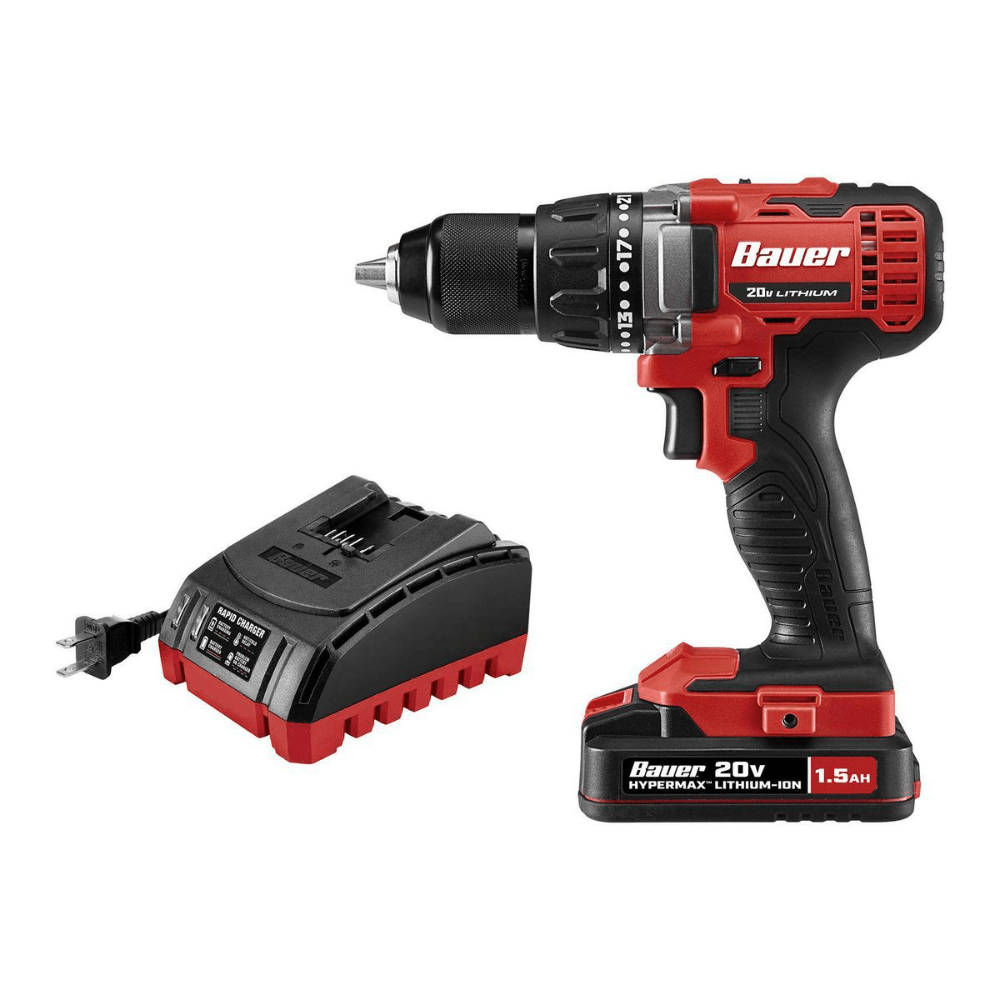
THIS is used to bore holes in objects AND fasten things together.
What is a DRILL
200
Although the name sounds like a golf term mixed with a soda container, THIS unit directs light into a strong broad beam used for general washes on stage.
What is a PAR (can)
200
THIS is the area that frames the stage separating the audience from the actors, and the invisible line where actors cross to "break the fourth wall".
What is the PROSCENIUM ARCH
200
You may find one of these on your bicycle, but in an ELLIPSOIDAL THIS version redirects and helps project light even further than traditional PARS
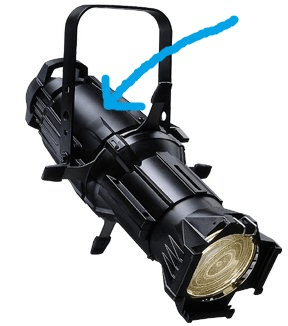
What is a REFLECTOR
300
THESE might be swamp dwellers, but if you wear them OR 'open-toed-shoes' on your feet you won't be allowed into the scene shop
What are CROCS
300
Once upon a time stages were "raked" so that the audience could see the actors.
This means that the stage was built on an angle for people in the standing room only section to see the actors further away from them on THIS area of the stage.
Where is UP STAGE
300
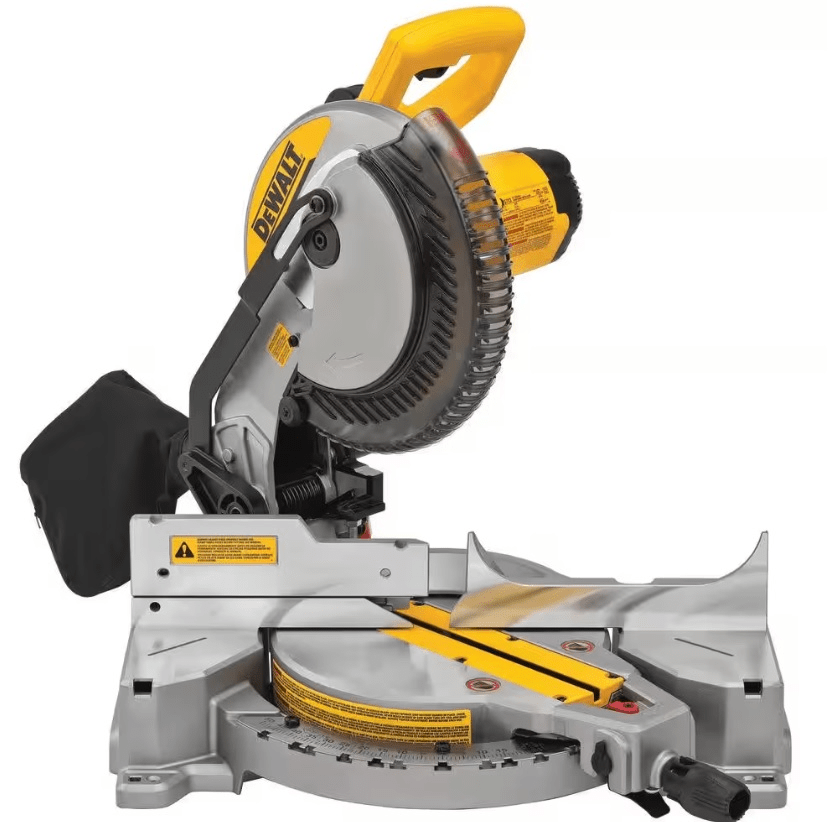
Not super mobile, THIS tool "chops" lumber from 1 - 179 degrees. (It makes straight and angled cuts)
What is a MITRE SAW
300
A backdrop on stage used to project lights and/or images onto
What is a CYCLORAMA
300
It's definitely NOT opposite day!
THIS is the place where productions front their sets and actors before going onstage during the show
What is BACKSTAGE
300
Incorporating sounds from the character’s environment can enhance the audience’s understanding of their surroundings and situation, influencing how they are perceived.
What is BACKGROUND NOISE
400
Keeping the scene shop clean and organized helps all students and adults with THIS
What is PREVENTING ACCIDENTS & INJURIES
400
Don't get turned around!
THIS area of stage is from the ACTOR'S perspective, but if you're looking at it from the audience it's on your LEFTT.
What is STAGE RIGHT
400
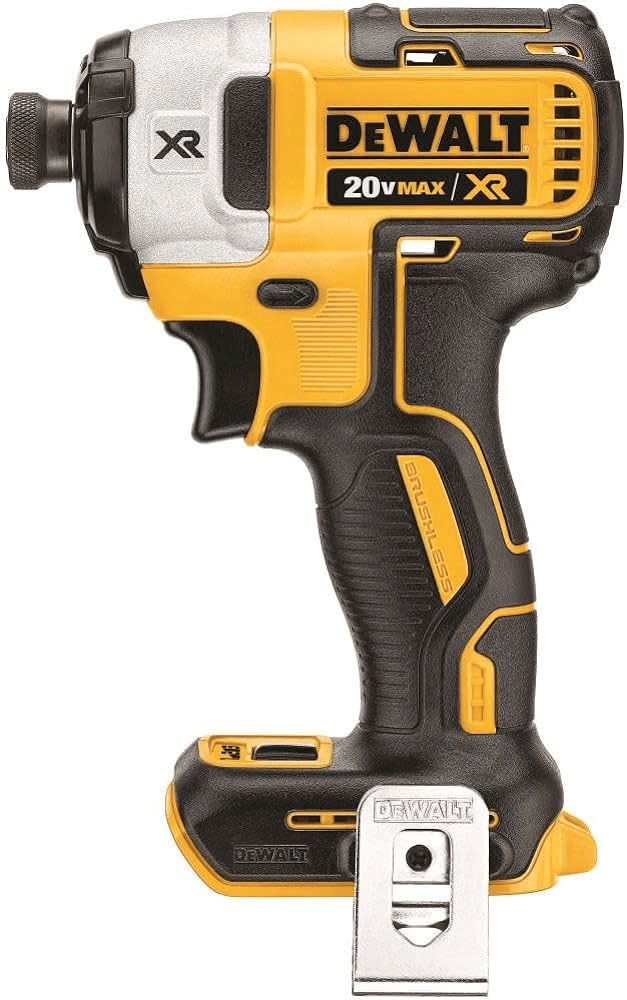 Like the fable of bulldog faces, THIS tool also does NOT have a long nose.
Its job is to fasten objects together with force.
What is an IMPACT DRIVER
400
The primary colors (of light) are _______, _______, and ________.
What are RED, GREEN, and BLUE
400
Now you're cooking!
THIS part of stage extends beyond the proscenium line, and don't worry - you won't spill anything on your clothes.
What is an APRON
400
The secondary colors of light are _______, _______, and _______.
What are MAGENTA, CYAN, & YELLOW / (Amber)
500
THIS is the most probable cause of fire in the scene shop
What is OVERLOADED ELECTRICAL OUTLETS
500
Once upon a time stages were "raked" so that the audience could see the actors.
This means that the stage was built on an angle.
THIS area of the stage is closest to the audience.
What is DOWN STAGE
500
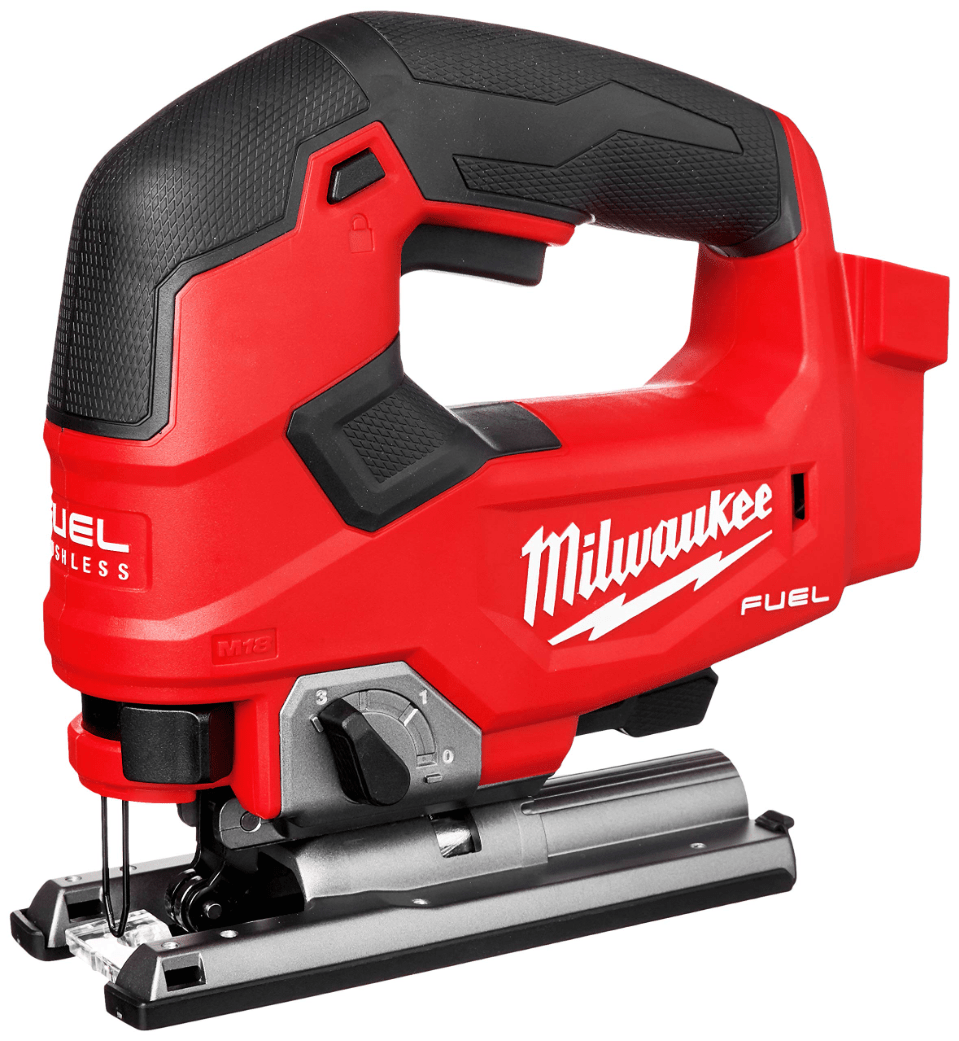
Hmmm. What a puzzler!
It does NOT follow the conventional lines.
THIS tool is the only one that can cut out curvy shapes - let's bloody hope it doesn't ask you to play a game.
What is a JIGSAW
500
Art adds colors together to make new colors, but in lighting it's known as THIS
What is ADDITION BY SUBTRACTION
or
SUBTRACTIVE
500
The lights and some set pieces can be hung from the battens above the stage. The battens are part of the "fly system."
The "Fly System" or RIGGING is located in THIS location
Backstage
(Our rigging system is Backstage LEFT)
500
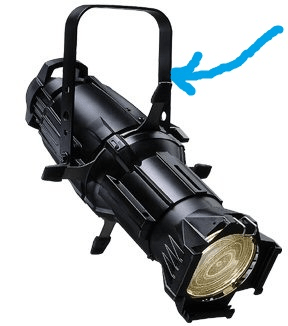
THIS part of the light may sound like a breakfast item, but it's named after the equipment used by horses or oxen to help them pull a lot of weight.
For lighting, it helps hold and position the lighting unit in place.
What is a YOKE