Merry Christmas Facts
Winter Physiology
Christmas Plants
Christmas-y Animals
Winter Human Biology!
100
Some animals perform this to rest and conserve energy during the winter
What is hibernate?
100
The process in which cells in your body freeze and die when temperatures are below 0 degrees Celcius
What is frostbite?
100
People usually bring this type of tree into their homes for Christmas.
What is a Christmas tree?
100
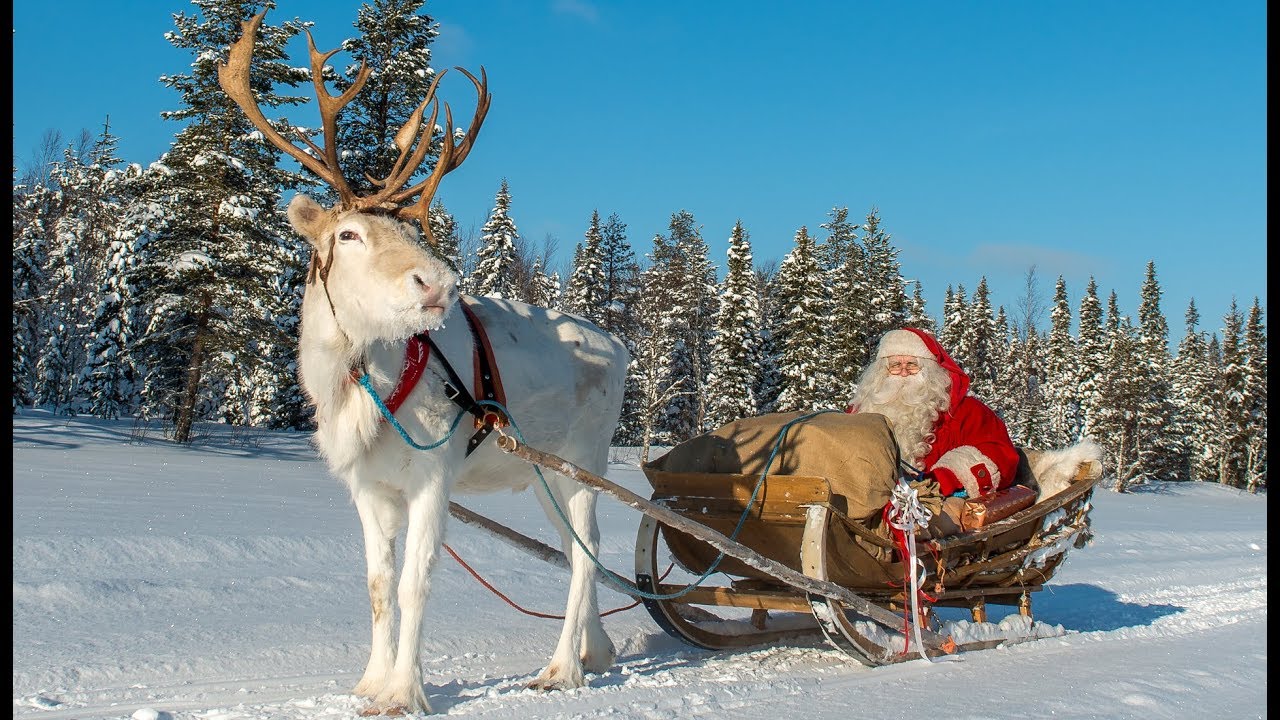
These animals famously pull Santa’s sleigh.
What are reindeers?
100
Covering your mouth when you sneeze helps prevent spreading this.
What are germs?
200
This animals fur is actually transparent.
What is a polar bear?
200
The process in which your body warms itself up when its cold
What is shivering?
200
This pigment keeps Christmas trees green.
What is Chlorophyll?
200
This furry-tailed animal builds dens in trees to stay warm.
What is a squirrel?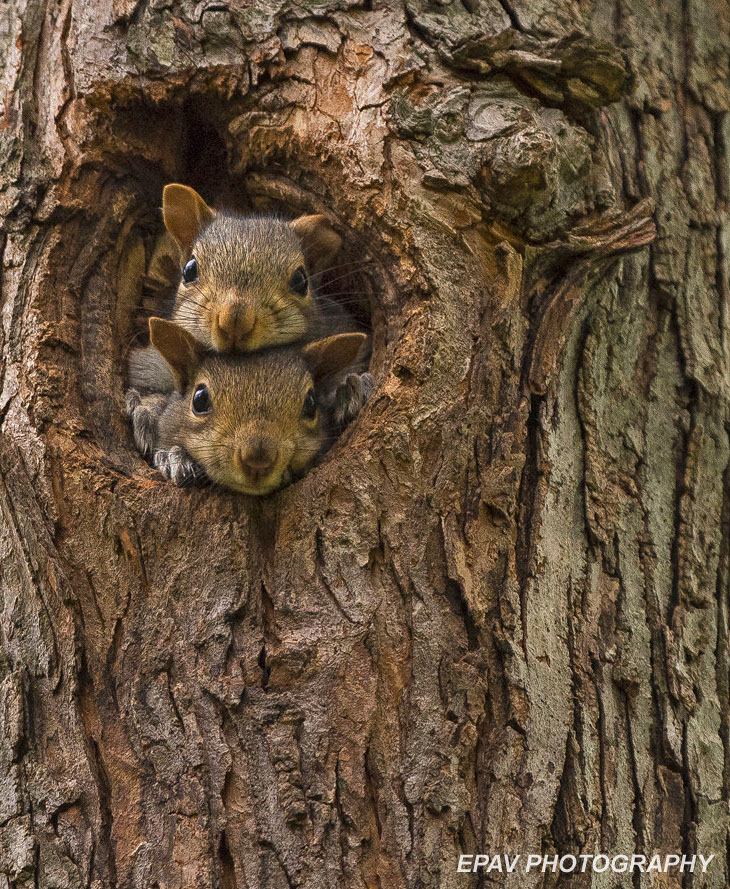
200
Wearing warm clothing, drinking fluids, and sleeping enough help support this body system that fights infections.
What is the immune system?
300
This arctic mammal grows a thick layer of blubber in the winter which accounts for up to 50% of its body weight
What is a walrus?
300
The system that includes the hypothalamus that the body uses to regulate temperature
What is the nervous system?
300
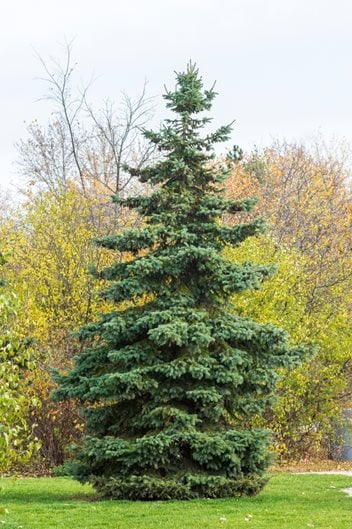
A Christmas tree is this kind of tree.
What is a coniferous/evergreen tree?
300
Many mammals lower their metabolism for winter rest in this state.
What is hibernation?

300
Prolonged exposure to cold can cause this, where extremities like fingers or toes lose circulation and tissue may be damaged.
What is frostbite?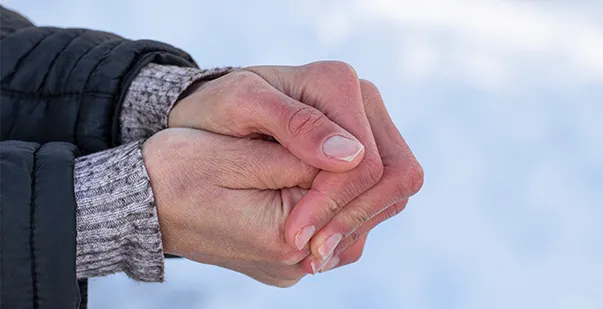
400
This festive spice, found in roots, contains a natural antiobiotic compound.
What is ginger?
400
Your blood vessels do this during colder seasons
What is constrict?
400
Evergreen needles survive winter largely because of this waxy coating that prevents water loss.
What is a cuticle?

400
Penguins use these instead of wings to “fly” underwater.
What are flippers?
400
When your body is cold, tiny muscles at the base of each hair contract to trap air for insulation, creating this effect. (Hint: look at picture!)
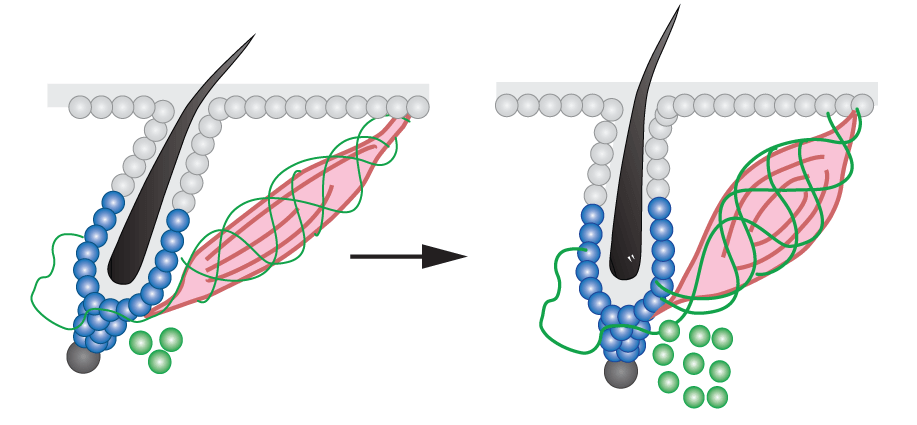
What is goosebumps?
500
Christmas trees release chemicals and odours that help protect needles from insects and freezing?
What are terpenes?
500
The type of fat that is involved in non-shivering thermogenesis (heat production without shivering)
What is brown adipose tissue?
500
This holiday plant is a hemiparasite, stealing water from trees while still making its own food.
What is mistletoe?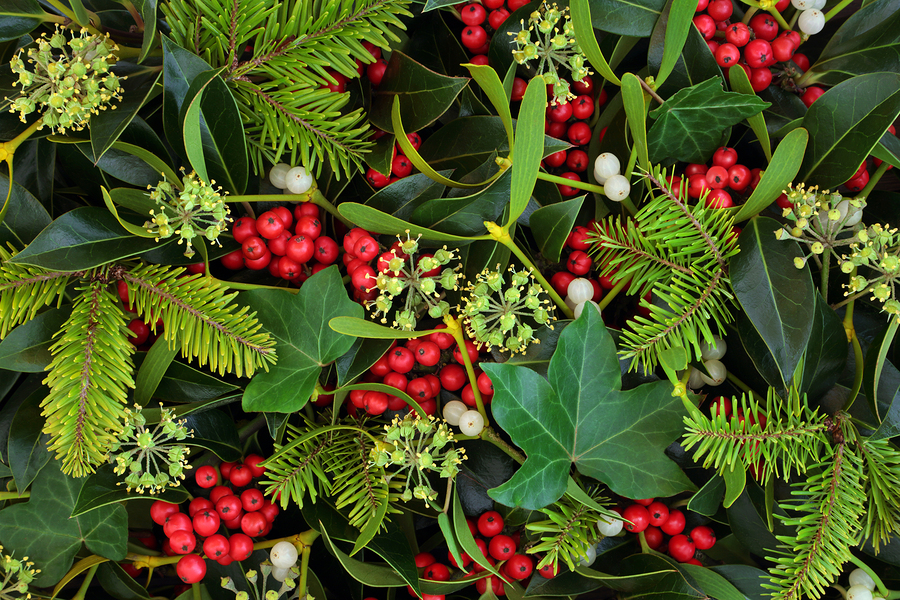
500
Arctic fox fur changes colour in winter because of changes in this pigment type.
What is melanin?
500
Your body’s first line of defense against germs includes skin, mucus, and these tiny hairs in your airways.
What are cilia?
