Anatomy
Biomechanics
Modifications
Bench Conversations
Misc
100
name the rotator cuff muscles (4)
Infraspinatus
Supraspinatus
Teres minor
Subscapularis
100
Name the 3 components/excercises involved in posture
chin tuck
scap squeeze
pelvic tilt
100
If a client has discomfort when knee is fully extended, what can we do to make them more comfortable
add foam roll under knee of leg that isn't being stretched
100
Name all block 1-4 stretches in order
BLOCK 1
1. lower back and glute
2. hamstrings
3. adductors
4. IT band
5. piriformis
6. adductor/groin
BLOCK 2
1. lumbar rotation
2. quads
3. hip flexors
4. hip IR
5. hip ER
6. calf
BLOCK 3
1. pec minor
2. upper traps and neck
3. upper pec and chest
4. upper body traction
5. pecs
6. shoulder ER
7. shoulder IR
8. wrist extension
9. wrist flexion
BLOCK 4
1. neck traction
2. neck flexion
3. lateral neck flexion
4. neck rotation
5. forward fold
100
Importance of the soleus muscle
- Locomotion and Power: Because it is packed with slow-twitch muscle fibers, the soleus generates massive propulsive forces—up to 8 times your body weight—to push you forward during endurance running and walking.
- Postural Stability: It acts constantly to prevent your body from falling forward when standing.
- The "Second Heart": Due to its constant use, the soleus muscle pump is highly effective at squeezing and returning venous blood from the legs back up to the heart.
- Metabolic Health: Recent research has found that activating the soleus via seated "soleus pushups" can safely and significantly boost local muscle metabolism, helping to clear blood glucose and lower the risk of type 2 diabetes.
200
name the quad muscles (4)
Rectus Femoris
Vastus Lateralis
Vastus Medialis
Vastus Intermedius
200
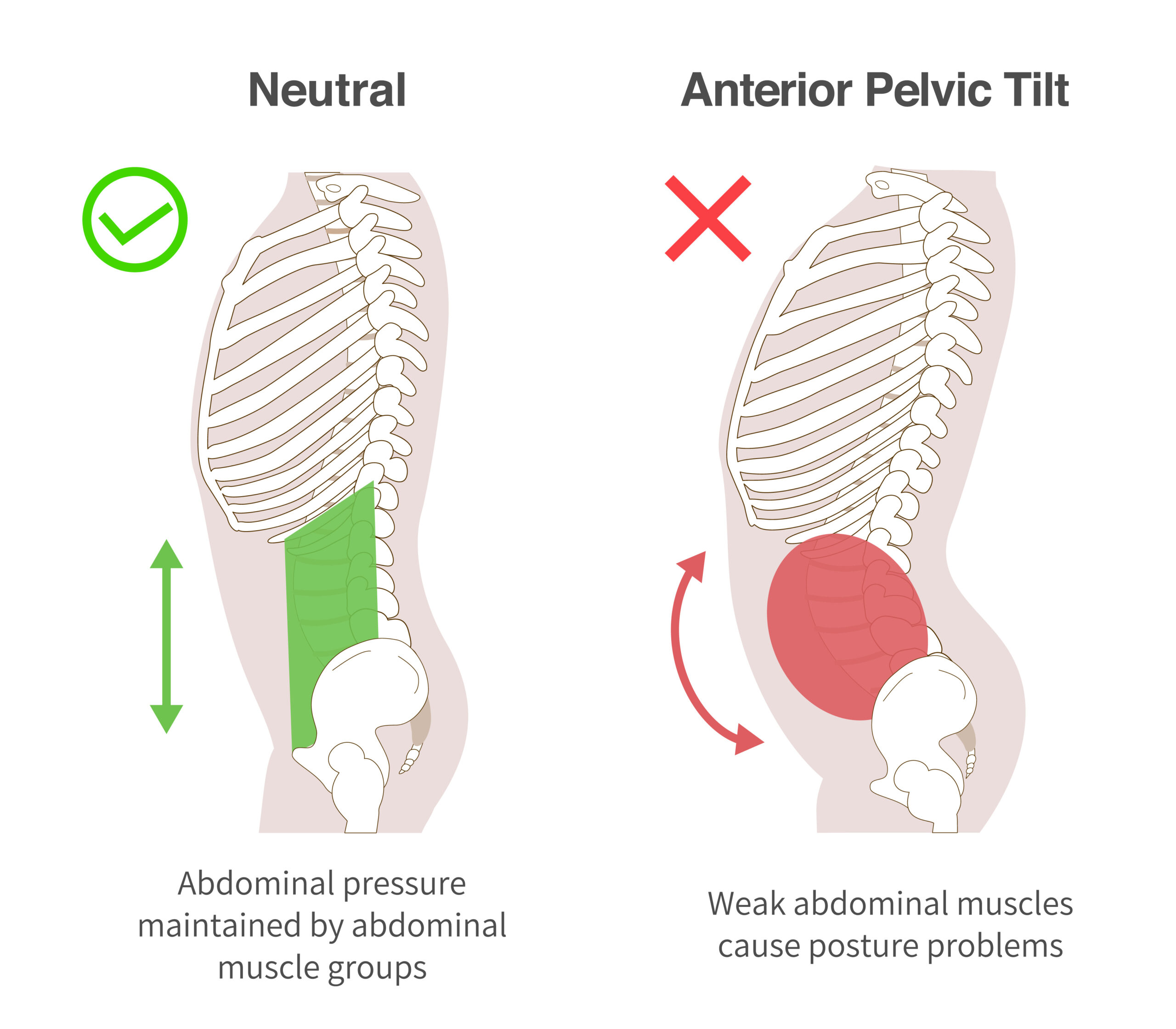
What does anterior pelvic tilt cause? What muscle is tight and what muscles are weak?
(often linked to prolonged sitting)
Tight hip flexors
Weak glute and abdominal muscles
200
what modification can you do if client complains of knee pain during quad stretch
-add rolled up towel behind the knee
-elevate quad
200
Bench conversation focus for Block 1
-Pre stretch guidelines and expectations, explain PNF
-Dig deeper into their goals
-Build rapport with client
200
what areas should you focus on if client complains of anterior hip pain/tightness
hip flexors, quads, psoas
300
name the hamstring muscles (3)
Biceps Femoris
Semitendinosus
Semimembranosus
300
Weight of head in good posture vs weight of head at 15 degree forward tilt
10-12 lbs good posture
26 lbs at 15 degree tilt
300
what modification can you use if client complains of pinching in the hip during IT band stretch
-stretch hip flexors first
-straight leg IT band
-rolled up towel at hip flexor
300
Bench conversation for Block 2
-Start to introduce the concept of client programming and set expectations for timeline to get results
-Begin outlining what a program at StretchLab entails
-Understand the client will be face down primarily, so focus more on education rather than conversation
300
what areas should you focus on if client complains of posterior hip pain/tightness
glutes, piriformis, quadratus lumborum
400
Name the glute muscles (3)
Gluteus maximus
Gluteus medius
Gluteus minimus
400
perform and explain how to properly do a sit to stand
Sit near the front edge of chair with your feet flat on the floor, hip-width apart, and knees aligned over your toes. Cross your arms over your chest or extend them forward, hinge forward from your hips, and push through your heels to stand tall
400
what modification can you use if client mostly feels stretch in calf during hamstring stretch?
Bend the knee a little
Stretch calves first
400
Bench conversation for Block 3
-Provide specific examples of what their program might look like: specific muscle groups, PNFs and why these apply to their goals
-Educate on value of Movement Assessment and X+
400
what information should be included in a session note
What they did
Why they did it
Where they are going on the next session (programming/homework)
Membership recommendation
Movement assessment scores if done that day
Initials
500
Name the key hip flexor muscles (5)
Iliacus
Psoas major
Rectus Femoris
Sartorius
Pectineus
500
Name 3 things you look for when assessing proper gait mechanics
1. Posture Check
-Head and shoulders: head up, looking forward while shoulders remain relaxed and level
-Arm swing: arms should swing naturally in opposition to your legs with equal ROM on both sides
2. Lower Body Observations
-Foot strike: Heel should make initial contact with the ground. Note if foot excessively rotates inward (pronates) or outward (supinates).
-Stance and push-off: Weight should shift smoothly from the heel, across the middle of your foot and push off evenly through big toe
-Hip and knee alignment: Knees should track forward over your toes without caving inward. Pelvis should remain level (no noticeable hip drop when lifting opposite leg)
3. Step and Stride
-Stride length: should be equal in length on both sides. (asymmetry indicates injury, stiffness or compensation)
-Step width: Feet should land 3-4 inches apart. (wide stance indicates balance issues)
500
In what situation should we not perform the seated trap stretch?
Compressed discs
500
Bench conversations for Block 4
-Begin asking questions around clients schedule so you can better understand how this might fit into their routines
-Leave room for silence to allow relaxation and comfort during the neck stretches
500
what information should be included in a key note
Daily routine
Reason they came in
Wellness and exercise routine
work routine
injuries/surgeries
goals and motivation behind goals
movement assessment scores
initials