6 - 7
Emotional Damage
Let's Talk
Behavioral Support Techniques
Lock-In, Chat
So Much Pain
400
These are the 2 main goals of crisis interventions
1. Provide immediate *support that reduces stress & risk
2. *Teach children to help them learn and practice healthy ways to cope with stressful emotions
400
A dysregulated child's best chance of finding baseline is having one of these
What is a regulated adult
400
"I'd like to hear more about that" is an example of this eliciting technique
Door Opener
400
"We will be leaving the playground in 10 minutes" is a form of this Behavioral Support Technique
Prompting
400
This is a strategy during a potential power struggle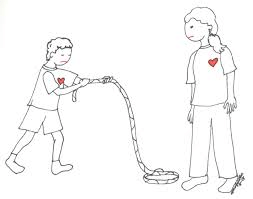
Drop the rope
400
"No! I'm not going to do it!"
Defiance
800
These are the 3 outcomes from the recovery phase of the stress model of crisis
Higher, Lower, No Change
800
Typically, when people are at their angriest, they tend to also be this
Stupidest
800
"Do you like your teacher?" is this type of eliciting technique
Closed Question
800
This Behavioral Support Technique tell children specifically and respectfully what is expected of them.
Directive Statement
800
This is the peak of the stress model of crisis where behaviors are potentially violent
Outburst
800
A young person starts punching a metal surface repeatedly resulting in broken hand
Self-Injury/Harm
1000
These 4 non-verbal techniques are essential in co-regulating with an escalated child
Facial Expressions
Eye Contact
Silence
Tone of Voice
1000
Adults should use these 4 questions before entering a potentially violent situation?
1000
"You are angry, I see that" is this type of response
Reflective
1000
This Behavioral Support Technique should not be an option if the child has not demonstrated that they can regulate independently.
Time Away
1000
Anything that makes challenging behavior and traumatic stress responses more or less likely to occur is called a
Setting Condition
1000
"But you said we would go outside after lunch. I want to go outside! You Promised!"
Inflexibility
1200
These are the 3 stress responses (also known as the 3 F's) that happen when a threat is detected
Fight, Flight and Freeze
1200
This system of the brain helps the body function in the most basic ways like, controlling heart rate and breathing.
Survival Brain
(or Reptilian Brain or Brain Stem)
1200
"Uh, huh"..."I see"... "Go on" ... are these type of responses
Minimal Encouragers
1200
This behavioral Support Technique is using our nearness to give children confidence to overcome difficult emotions
Proximity
1200
All behavior has this:
Meaning
1200
One of our guests felt threatened by another young person and fled out of room panicking
1600
These are the 5 spaces that make up the therapeutic milieu
Social, Physical, Ideological, Cultural, Emotional
1600
Keeping the child in the activity is one of the goals for this co-regulation strategy
Emotional First-Aid
1600
"You are really struggling with this" is this type of response
Empathic
1600
This type of support is used to draw a young persons attention to something else, possibly to lower anxious or worried energy
Redirection/Distraction
1600
The next step of the LSI after the child is done "exploring" what happened from their perspective
Summarize the content and feelings
1600
A young person doesn't like the snack they were given and starts cussing out the adult that gave it to them
Over Reaction to Situations
2000
These are the 4 elements of a potentially violent situation
2000
These are the foundations for "intentional use of self"
Self-Awareness
Self-Regulation
Self-Care
Relationship Skills & Attunement
2000
This type of question may elicit a defensive response
"Why" Questions
2000
This Behavioral Support Technique is used to prevent children from becoming too frustrated with an activity in that moment by providing guidance and support.
Hurdle Help
2000
These are the 3 strategies for emotional first-aid
Co-Regulate
Communicate
Coach
2000
A new guest/client refuses to come out of their room and won't speak to anyone
Withdrawl