Men <<<
Real Ones / Day 1's
The Grind
Destiny's Child
Mansplaining
100
Alec says that it's "just like you women" (325) that Tess accepts everything her husband tells her. Is this really true? What ideas of Angel's -- either about God or religion, about her own situation, about morality, about society, etc. -- is Tess not fully accepting any longer (in Phase the Sixth)?
Alec says that it's "just like you women" (325) that Tess accepts everything her husband tells her. Is this really true? What ideas of Angel's -- either about God or religion, about her own situation, about morality, about society, etc. -- is Tess not fully accepting any longer (in Phase the Sixth)?
100
Who shows up to find Tess and is barely recognizable to her at first? Why does this person seek Tess?
Who shows up (after not seeing her for a little over a year) to find Tess, and is barely recognizable to her at first? Why does this person seek Tess?
100
How do we see ideas about industrialization and modernization explored in this Phase?
How do we see ideas about industrialization and modernization explored in this Phase?

100
Compare the following two passages:
"Thus the Durbeyfields, once d’Urbervilles, saw descending upon them the destiny which, no doubt, when they were among the Olympians of the county, they had caused to descend many a time, and severely enough, upon the heads of such landless ones as they themselves were now. So do flux and reflux—the rhythm of change—alternate and persist in everything under the sky." (326)
and from the end of Phase the First:
"Doubtless some of Tess d’Urberville’s mailed ancestors rollicking home from a fray had dealt the same measure even more ruthlessly towards peasant girls of their time. But though to visit the sins of the fathers upon the children may be a morality good enough for divinities, it is scorned by average human nature; and it therefore does not mend the matter.
As Tess’s own people down in those retreats are never tired of saying among each other in their fatalistic way: “It was to be.” There lay the pity of it. An immeasurable social chasm was to divide our heroine’s personality thereafter from that previous self of hers who stepped from her mother’s door to try her fortune at Trantridge poultry-farm." (67)
Compare the following two passages:
"Thus the Durbeyfields, once d’Urbervilles, saw descending upon them the destiny which, no doubt, when they were among the Olympians of the county, they had caused to descend many a time, and severely enough, upon the heads of such landless ones as they themselves were now. So do flux and reflux—the rhythm of change—alternate and persist in everything under the sky." (326)
and from the end of Phase the First:
"Doubtless some of Tess d’Urberville’s mailed ancestors rollicking home from a fray had dealt the same measure even more ruthlessly towards peasant girls of their time. But though to visit the sins of the fathers upon the children may be a morality good enough for divinities, it is scorned by average human nature; and it therefore does not mend the matter.
As Tess’s own people down in those retreats are never tired of saying among each other in their fatalistic way: “It was to be.” There lay the pity of it. An immeasurable social chasm was to divide our heroine’s personality thereafter from that previous self of hers who stepped from her mother’s door to try her fortune at Trantridge poultry-farm." (67)
100
Why does the OG red-word sign painter man return at this moment in the text, for one line?
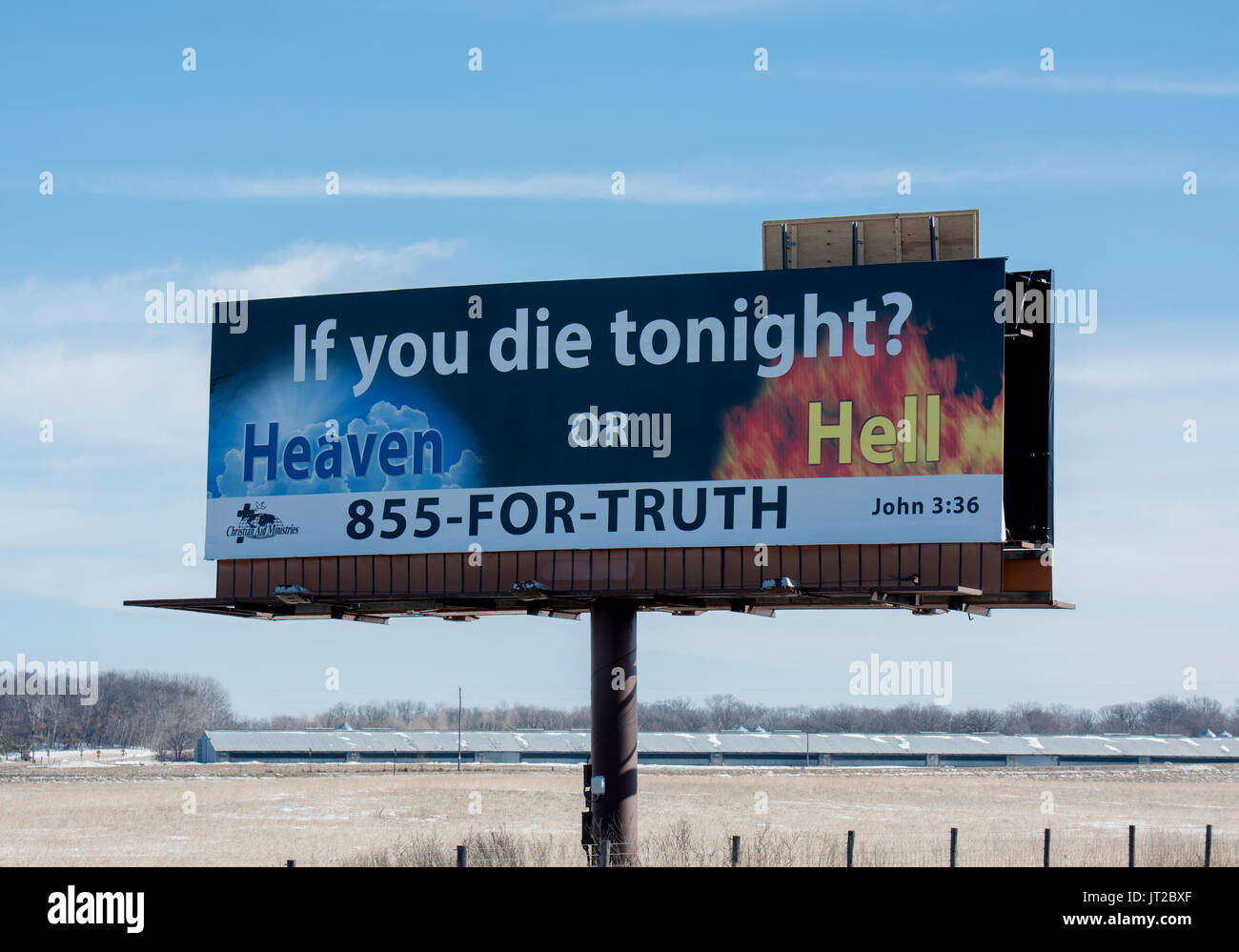
Why does the OG red-word sign painter man return at this moment in the text, for one line?
200
Discuss Alec's offer to marry Tess. Who does this serve most?
Discuss Alec's offer to marry Tess. Who does this serve most?
---do Alec (and Angel) both agree on the notion that Alec is more Tess's "true" husband than Angel? If so, what does this say about Tess's voice/agency in her own [romantic] life?
200
Why doesn't Tess drink? Think about this at a deeper level. There's a traceable reason, but why might she not do so for moral/philosophical reasons?
Why doesn't Tess drink? Think about this at a deeper level. There's a traceable reason, but why might she not do so for moral/philosophical reasons?
200
Tess is singled out as a target for her bully of a boss. Recall why he has "beef" with her, and discuss:
-why Tess is not actually/deeply afraid of him
-what he may represent as a symbol or idea
Tess is singled out as a target for her bully of a boss. Recall why he has "beef" with her, and discuss:
-why Tess is not actually/deeply afraid of him
-what he may represent as a symbol or idea
200
Tess believes that "the great Power who moves the world" is indifferent to her (324). Why does she think this, in what context does she say it, etc.?
Tess believes that "the great Power who moves the world" is indifferent to her (324). Why does she think this, in what context does she say it, etc.?
200
How does Angel's doctrine/philosophy [ironically] inadvertently "help" Alec?
How does Angel's doctrine/philosophy [ironically] inadvertently "help" Alec?
300
Marian makes a comment that Tess is, in a sense, a widow. Do you agree?
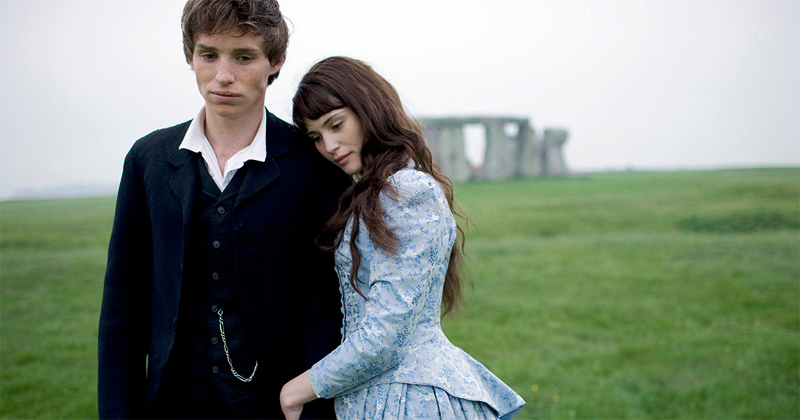 Marian makes a comment that Tess is, in a sense, a widow. Do you agree?
300
What ways do Izz and Marian look out for Tess in this Phase?
What ways do Izz and Marian look out for Tess in this Phase?
300
Discuss the contrast between Tess's father's refusal to work and Tess's [relentless] work ethic. What motivates -- or doesn't motivate -- each? How do they influence each other?
Discuss the contrast between Tess's father's refusal to work and Tess's [relentless] work ethic. What motivates -- or doesn't motivate -- each? How do they influence each other?
300
Tess tells Alec she can't, could never, take anything from him -- but that if he wanted to help her family, without her knowing, he could. Do you agree with her stance?
Tess tells Alec she can't, could never, take anything from him -- but that if he wanted to help her family, without her knowing, he could. Do you agree with her stance?
300
Angel meets a random British man in Brazil who helps him "see the light" that he has wronged Tess, and that, if one were to take a more cosmopolitan view of things, her "sin" was really not that big of a hindrance to their life together after all. Then the man dies. Thoughts?
Angel meets a random British man in Brazil who helps him "see the light" that he has wronged Tess, and that, if one were to take a more cosmopolitan view of things, her "sin" was really not that big of a hindrance to their life together after all. Then the man dies. Thoughts?
400
In Hardy's time, parts of this passage would have been borderline pornographic. Consider the contrast/juxtaposition of ideas of religion and sexuality here:
" 'What a grand revenge you have taken! I saw you innocent, and I deceived you. Four years after, you find me a Christian enthusiast; you then work upon me, perhaps to my complete perdition! But Tess, my coz, as I used to call you, this is only my way of talking, and you must not look so horribly concerned. Of course you have done nothing except retain your pretty face and shapely figure. I saw it on the rick before you saw me—that tight pinafore-thing sets it off, and that wing-bonnet—you field-girls should never wear those bonnets if you wish to keep out of danger.' He regarded her silently for a few moments, and with a short cynical laugh resumed: 'I believe that if the bachelor-apostle, whose deputy I thought I was, had been tempted by such a pretty face, he would have let go the plough for her sake as I do!' "
In Hardy's time, parts of this passage would have been borderline pornographic. Consider the contrast/juxtaposition of ideas of religion and sexuality here:
" 'What a grand revenge you have taken! I saw you innocent, and I deceived you. Four years after, you find me a Christian enthusiast; you then work upon me, perhaps to my complete perdition! But Tess, my coz, as I used to call you, this is only my way of talking, and you must not look so horribly concerned. Of course you have done nothing except retain your pretty face and shapely figure. I saw it on the rick before you saw me—that tight pinafore-thing sets it off, and that wing-bonnet—you field-girls should never wear those bonnets if you wish to keep out of danger.' He regarded her silently for a few moments, and with a short cynical laugh resumed: 'I believe that if the bachelor-apostle, whose deputy I thought I was, had been tempted by such a pretty face, he would have let go the plough for her sake as I do!' "
400
Unpack Tess's comment to Alec:
"I can't believe in such sudden things! I feel indignant with you for talking to me like this, when you know -- when you know what harm you've done me! You and those like you take your fill of pleasure on earth by making the life of such as me bitter and black with sorrow; and then it is a fine thing, when you have had enough of that, to think of securing your pleasure in Heaven by becoming converted! Out upon such -- I don't believe in you -- I hate it!"
"I can't believe in such sudden things! I feel indignant with you for talking to me like this, when you know -- when you know what harm you've done me! You and those like you take your fill of pleasure on earth by making the life of such as me bitter and black with sorrow; and then it is a fine thing, when you have had enough of that, to think of securing your pleasure in Heaven by becoming converted! Out upon such -- I don't believe in you -- I hate it!"
400
Do you think it is genuine, on Alec's part, to want to help Tess's siblings, given that he doesn't feel her father will be able to? Is it morally acceptable (or acceptable in terms of one's pride) for Tess to allow him to help her family? Why is his ask "touching her in a weak place" and "divin[ing] her chief anxiety"? (324).
Do you think it is genuine, on Alec's part, to want to help Tess's siblings, given that he doesn't feel her father will be able to? Is it morally acceptable (or acceptable in terms of one's pride) for Tess to allow him to help her family? Why is his ask "touching her in a weak place" and "divin[ing] her chief anxiety"? (324).
400
Discuss the Durbeyfields' homelessness, and how Tess feels like her home is a part of her.
Discuss the Durbeyfields' homelessness, and how Tess feels like her home is a part of her.
400
"He thought of Tess as she had appeared on the day of the wedding. How her eyes had lingered upon him; how she had hung upon his words as if they were a god’s! And during the terrible evening over the hearth, when her simple soul uncovered itself to his, how pitiful her face had looked by the rays of the fire, in her inability to realize that his love and protection could possibly be withdrawn.
Thus from being her critic he grew to be her advocate. Cynical things he had uttered to himself about her; but no man can be always a cynic and live; and he withdrew them. The mistake of expressing them had arisen from his allowing himself to be influenced by general principles to the disregard of the particular instance" (316-7).
"He thought of Tess as she had appeared on the day of the wedding. How her eyes had lingered upon him; how she had hung upon his words as if they were a god’s! And during the terrible evening over the hearth, when her simple soul uncovered itself to his, how pitiful her face had looked by the rays of the fire, in her inability to realize that his love and protection could possibly be withdrawn.
Thus from being her critic he grew to be her advocate. Cynical things he had uttered to himself about her; but no man can be always a cynic and live; and he withdrew them. The mistake of expressing them had arisen from his allowing himself to be influenced by general principles to the disregard of the particular instance" (316-7).
500
Consider Marian and Izz's letter to Angel. How do they characterize Alec, how accurate is their letter? What does this letter say about "sisterhood" and/or friendship?
Honour’d Sir,
Look to your Wife if you do love her as much as she do love you. For she is sore put to by an Enemy in the shape of a Friend. Sir, there is one near her who ought to be Away. A woman should not be try’d beyond her Strength, and continual dropping will wear away a Stone—ay, more—a Diamond.
From Two Well-Wishers
Honour’d Sir,
Look to your Wife if you do love her as much as she do love you. For she is sore put to by an Enemy in the shape of a Friend. Sir, there is one near her who ought to be Away. A woman should not be try’d beyond her Strength, and continual dropping will wear away a Stone—ay, more—a Diamond.
From Two Well-Wishers
500
What did "scrupulous" ones in Marlott see Tess doing, upon her return, that may have influenced their insistence on the Durbeyfields leaving?
What did "scrupulous" ones in Marlott see Tess doing, upon her return, that may have influenced their insistence on the Durbeyfields leaving?
500
(330) Alec tells Tess he knows she'll never ask her father-in-law for money, that she'll starve first. He's right... isn't he? Is it ironic that he seems to know her so intimately, is it almost sinister? YET is it also ironic that he is willing to do so much for her? At what point does Tess become "wrong" for not taking what he offers [her family]?
(330) Alec tells Tess he knows she'll never ask her father-in-law for money, that she'll starve first. He's right... isn't he? Is it ironic that he seems to know her so intimately, is it almost sinister? YET is it also ironic that he is willing to do so much for her? At what point does Tess become "wrong" for not taking what he offers [her family]?
500
Tess mentions throughout this Phase, after reencountering Alec, that she feels she is in "danger." She writes this to Angel, she feels it in her bones. Describe the "danger" she is in: what literal/physical peril, social vulnerability, and/or emotional tumult.
Tess mentions throughout this Phase, after reencountering Alec, that she feels she is in "danger." She writes this to Angel, she feels it in her bones. Describe the "danger" she is in: what literal/physical peril, social vulnerability, and/or emotional tumult.
500
What do you make of Alec being the one to tell Tess the "legend of the D'Urberville coach"? (328)
What is the legend?

What do you make of Alec being the one to tell Tess the "legend of the D'Urberville coach"? (328)
What is the legend?