Don't be so NaCl-y
Wave Goodbye
This Shore is Fun
Boat Drinks
Bermuda Triangle
Just mucking around
100
The zone that lies between the low tide line and the highest area on land affected by storm waves
What is SHORE
100
As a wave breaks, water rushes up the beach face toward the berm... and then drains back away from shore.
What is SWASH & BACKWASH
100
Shores with well developed cliffs where tectonic uplift of the coast has occurred.
What is EROSIONAL SHORE
100
Coastal residents try to modify coastal zones in attempts to improve or preserve their beach property by building these.
What is HARD STABILIZATION
100
Sea level has changed throughout time... leaving these behind. First, those above current sea level; then, those below it (and all due to isostatic adjustment).
What are EMERGING and SUBMERGING SHORELINES.
100
The two most important types of coastal wetlands.
What are: SALT MARSHES & MANGROVE SWAMPS
200
Waves that break or dashes into foam
What are BREAKERS
200
This activity alternates seasonally and differentiates a summertime from a wintertime beach .
What is (light & heavy) WAVE ACTIVITY
200
Gradually subsiding shore where barrier islands and sand deposits are common.
What is a DEPOSITIONAL SHORE
200
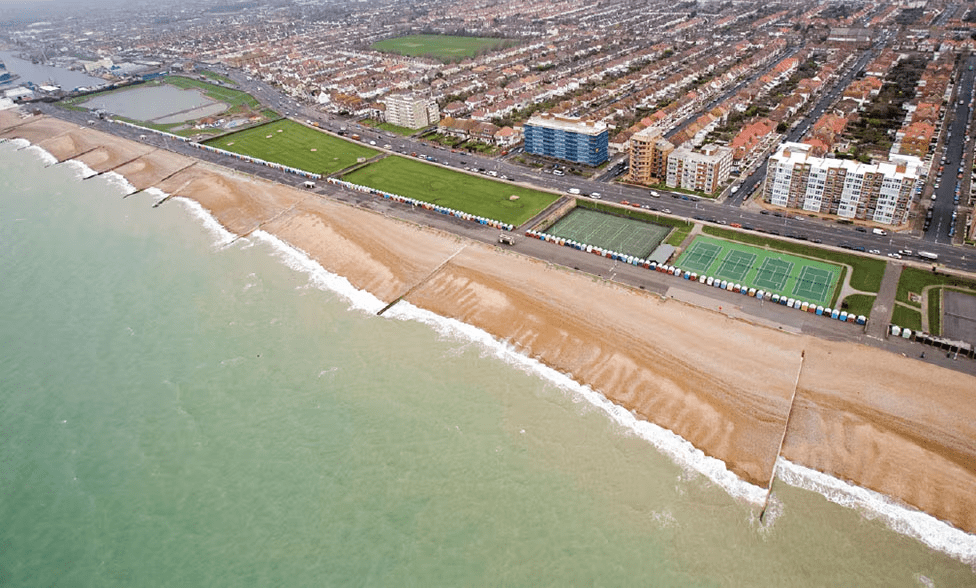 Separates longshore bar from beach face
What is GROIN FIELD
200
This type of variation is found in areas with high volumes of fresh water.
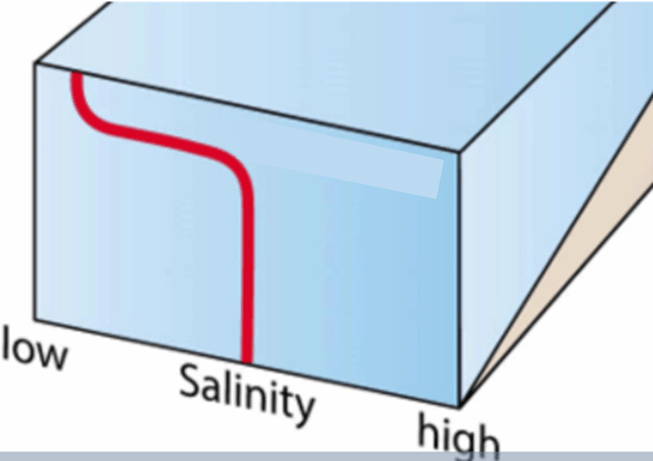
200
This type of plant is well suited to salty coastal wetlands.
What are HALOPHYTIC PLANTS
300
The bottom of the low tide wave orbital where tidal energy first drags against the ocean floor.
What is LOW TIDE BREAKER LINE
300
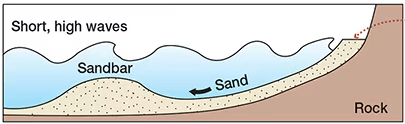 This beach is prevelant during heavy wave activity where backwash dominates the beach face.
What is WINTERTIME BEACH.
300
Where I don't want to park my $4.2M yacht...
What are HEADLANDS
300
One of the most destructive types of hard stabilization, that often fails.
What are SEAWALLS
300
A partially enclosed coastal body of water in which freshwater runoff from a river dilutes the input of salty ocean water.
What is an ESTUARY
300
Coastal wetlands provide habitat and protection by doing these main functions.
What are (2 or more)
1. Soak up river runoff/nutrients/pollutants
2. Clean polluted water
3. Trap carbon in their soils
4. Serve as nurseries to many species
5. Are stopover feeding points for migrating species
400
Sand bars found parallel to coast that cause approaching waves to break
What is LONGSHORE BAR
400
The zigzag movement of water along the shore.
What is LONGSHORE CURRENT
400
A dangerous feature on a beach that occur during heavy swell due to backwash forming strong, narrow surface currents.
What are RIP CURRENTS
400
One of the simplest alternatives to the use of hard stabilization, though often unrealistic.
What are CONSTRUCTION RESTRICTIONS
400
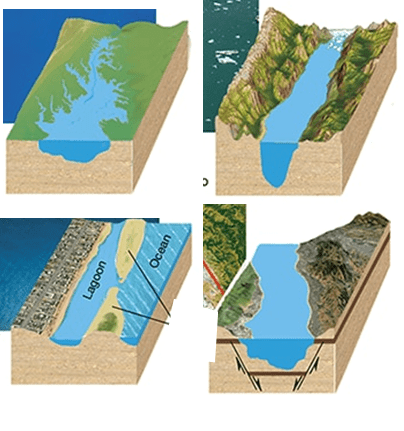 These are the 4 types of (geologic) estuaries
What are:
1. Coastal Plain
2. Fjord
3. Bar Built
4. Tectonic
400
Roughly this percentage of all fish caught in the ocean are obtained within 200 miles of the shore.
What is 95%.
500
Extends inland as far as ocean related features are found
What is the COAST
500
The longshore drift moves this in a zigzag fashion.
What is SEDIMENT.
500
Extremely long offshore sand deposits that parallel (especially the East) coast
What is BARRIER ISLAND
500
An expensive and short lasting alternative.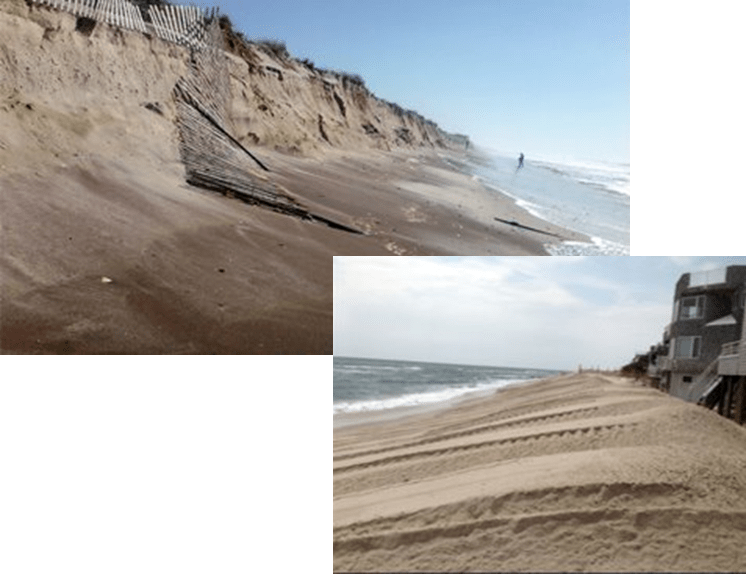
What is BEACH REPLENISHMENT
500
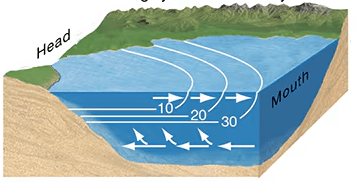
What is a HIGHLY STRATIFIED ESTUARY
500
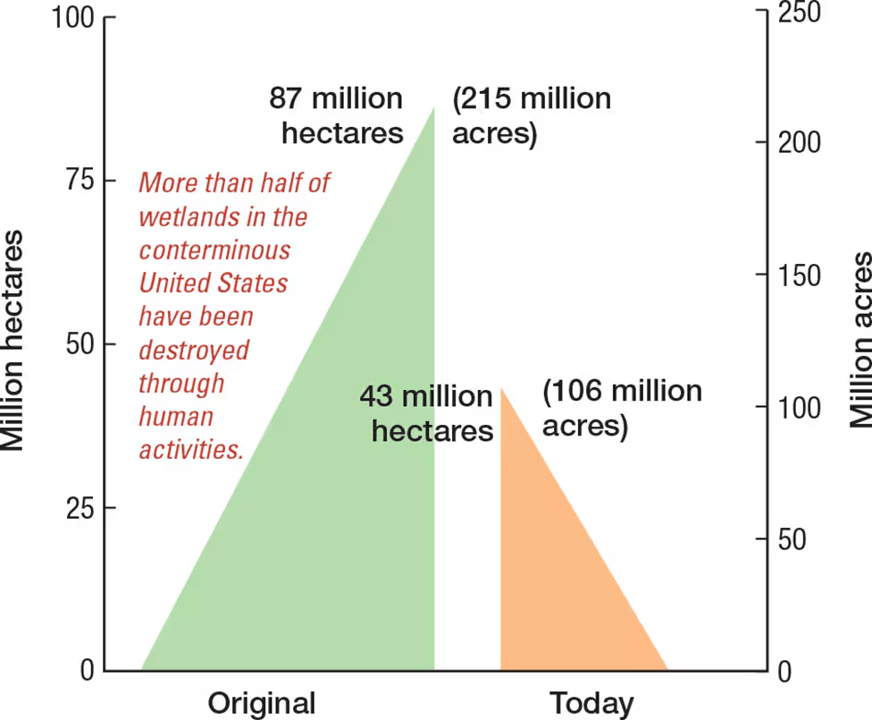
What are: HUMANS SUCK