Continental Drift & Plate Tectonics
Geologic Time
Landform Regions
Rock Cycle & Natural Events
Weather vs Climate
100
What does the puzzle-like fit of South America and Africa show?

Continental Drift
100
What era are we living in today?
Cenozoic Era
100
Which landform region is Oshawa located in?
Great Lakes–St. Lawrence Lowlands
100
Name two useful items during an ice storm.

Lanterns, batteries, or salt
100
What do we call the day-to-day conditions of the atmosphere?
Weather
200
What is one type of evidence from mountains that supports continental drift?

Matching mountains in different continents.
200
Which era did the Canadian Shield form in?

Precambrian Era
200
What is the largest landform region in Canada?
Canadian Shield
200
What type of rock forms from heat and pressure?
Metamorphic rocks
200
What do we call the long-term average weather in a place?
Climate
300
Where do most earthquakes and volcanoes happen?

At plate boundaries

300
In which era did humans first appear?

Cenozoic Era
300
Which region is on the west coast and has high mountains?
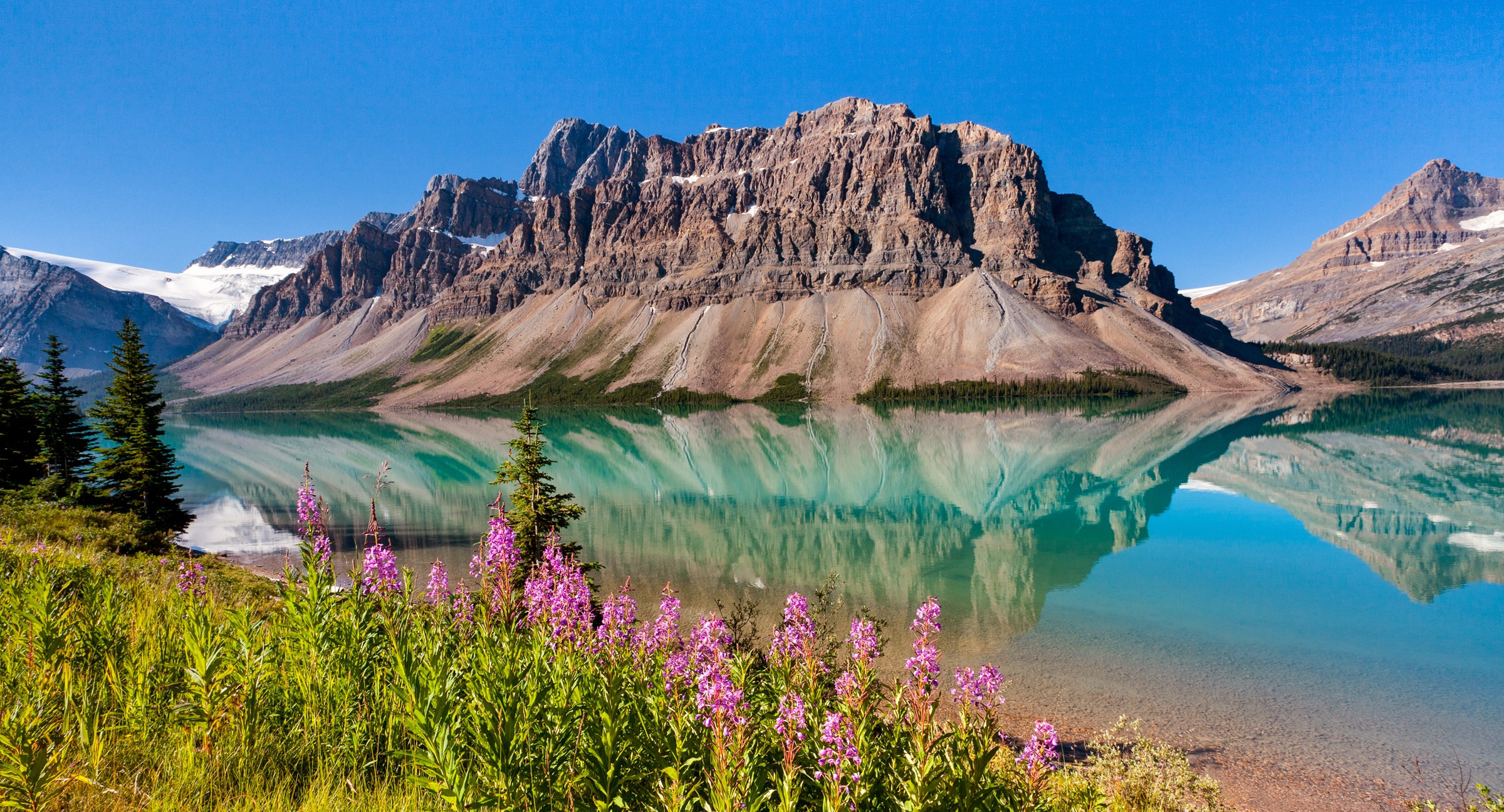
Western Cordillera
300
What caused the flooding in Calgary?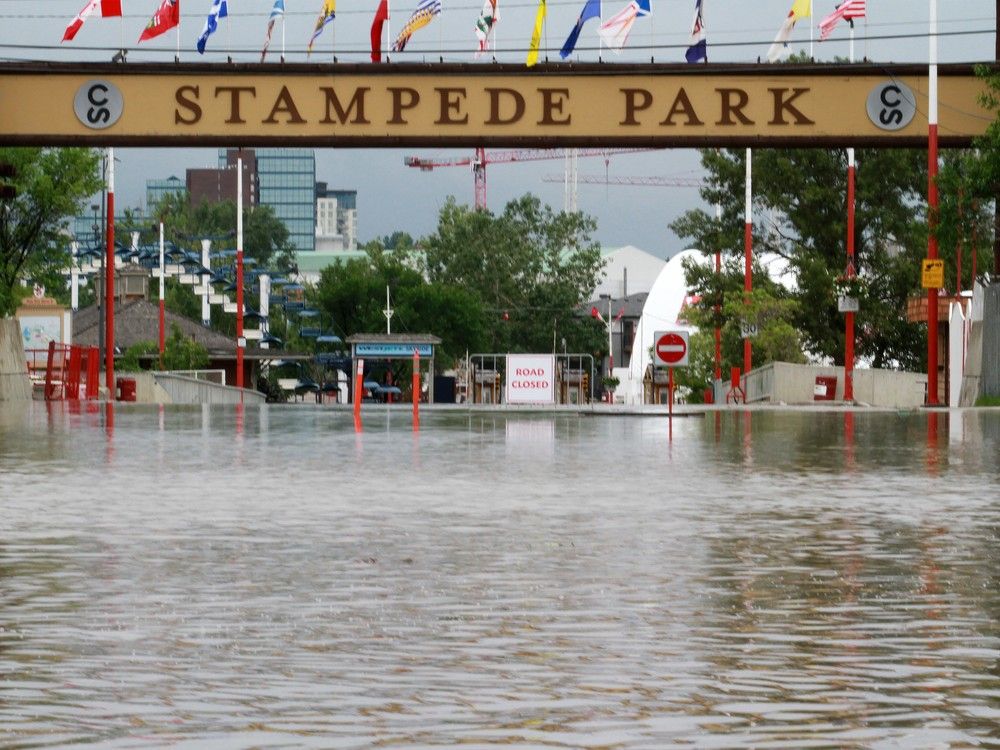
Heavy rainfall in a short time.
300
Do places near water have bigger or smaller temperature changes?
Smaller temperature changes
400
About how many tectonic plates make up Earth’s crust?
15-20

400
In which era did the first insects appear?

Paleozoic Era
400
Which region has old, rounded mountains in eastern Canada?
Answer: Appalachians
400
What is the process that breaks rocks into smaller pieces?
Erosion
400
Name one factor that affects climate.
Distance from water, latitude, or elevation
500
Name two different pieces of evidence that support continental drift.

-Jigsaw fit of the continents
-Distribution of ancient fossils
-Matching rocks, and mountain ranges
500
Put these eras in order from oldest to newest:
Paleozoic, Cenozoic, Precambrian, Mesozoic.
Precambrian, Paleozoic, Mesozoic, Cenozoic
500
Give one reason why many people live in the Great Lakes–St. Lawrence Lowlands.
Good farmland, flat land, or access to water
500
Describe the steps that turn magma into sedimentary rock.
Magma cools into igneous rock, breaks into sediments, then compacts into sedimentary rock.
500
Explain why areas near large bodies of water have milder temperatures.
Water heats and cools slowly