Ancient Ecuador
Inca Rule in Ecuador
Life in Colonial Ecuador
Fight for Independence
Ecuador in the 20th–21st Century
100
Which region of Ecuador was home to the Valdivia culture?
A) The Amazon
B) The Coast
C) The Highlands
D) The Galápagos
B) The Coast
Valdivia settlements were located along the coast, where fishing and farming were possible.
100
What language did the Incas spread throughout their empire?

A) Aymara
B) Spanish
C) Quechua
D) Nahuatl
C) Quechua
Quechua was used to unify communication.
100
What religion did Spain impose in Ecuador?
A) Protestantism
B) Islam
C) Catholicism
D) Judaism
C) Catholicism
Catholicism was central to Spanish control.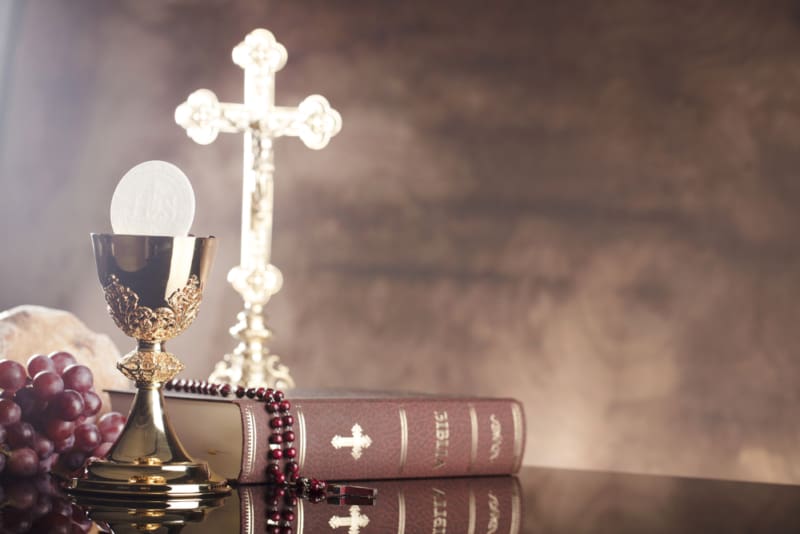
100
What happened on August 10, 1809?
A) Ecuador joined Gran Colombia
B) The Battle of Pichincha
C) Quito’s first independence movement
D) Ecuador became a republic
C) Quito’s first independence movement
It was the first attempt to break from Spanish rule.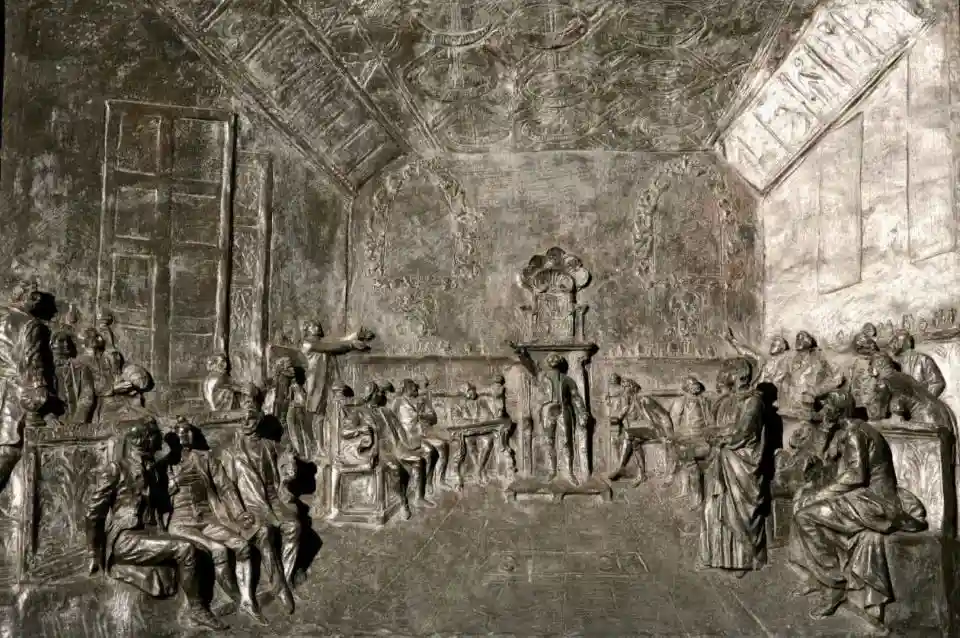
100
Which product became Ecuador’s main export in the 20th century? 
A) Oil
B) Coffee
C) Bananas
D) Sugar
C) Bananas
Ecuador became a world leader in banana exports.
200
What crop was essential to early Ecuadorian civilizations? 
A) Wheat
B) Rice
C) Maize
D) Potatoes
C) Maize
Maize was a staple food that supported population growth.
200
Which Inca emperor died in Quito?
A) Atahualpa
B) Huáscar
C) Pachacuti
D) Huayna Cápac
D) Huayna Cápac
His death caused a succession crisis. 
200
Who controlled most education during colonial times?
A) The army
B) Indigenous leaders
C) The Catholic Church
D) Merchants
C) The Catholic Church
Schools and universities were run by religious orders. 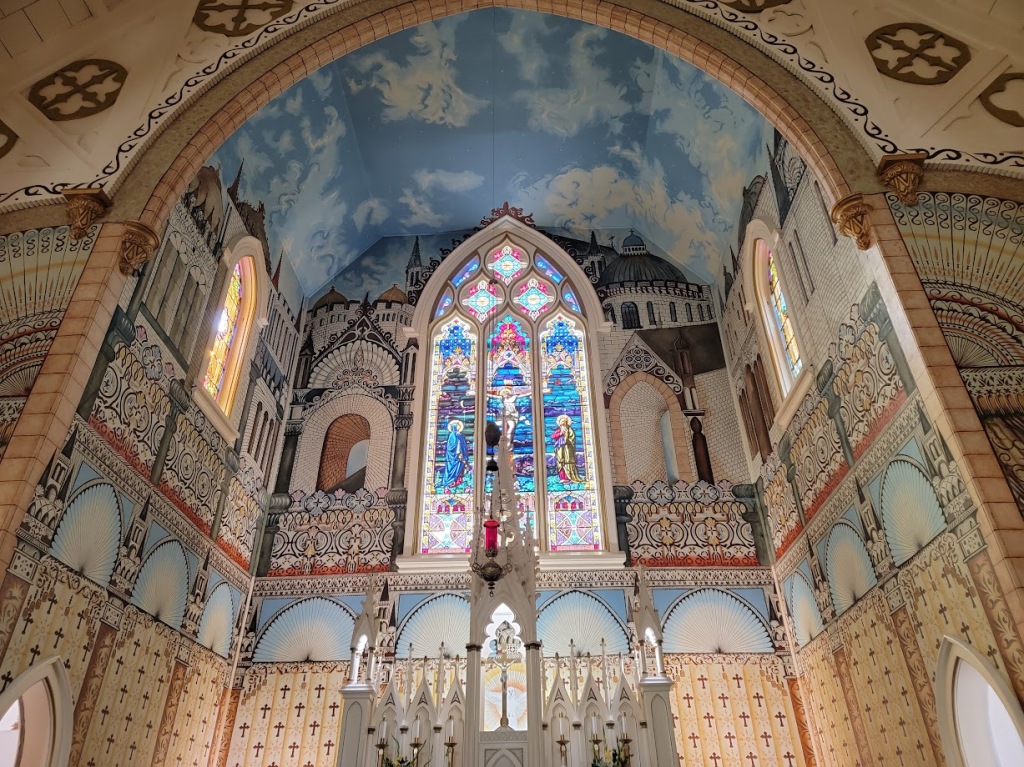
200
What ideas inspired independence movements? 
A) Medieval traditions
B) Enlightenment ideas
C) Religious reforms
D) Monarchies
B) Enlightenment ideas.
Ideas of liberty and equality spread across the Americas.
200
What political issue affected Ecuador frequently in the 20th century?
A) Government instability
B) Foreign rule
C) Stable governments
D) Civil wars only
A) Government instability
Coups and frequent changes weakened democracy.
300
Which ancient culture is known for advanced ceramic figurines? 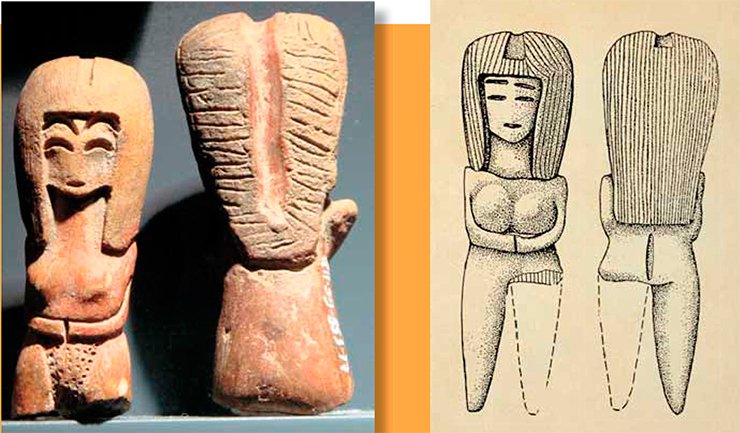
A) Valdivia
B) Cañari
C) La Tolita
D) Quitu
C) La Tolita
La Tolita produced detailed and realistic ceramic and gold figures.

300
What was the main purpose of the Inca road system? 
A) Trade only
B) Religious pilgrimages
C) Communication and control
D) Tourism
C) Communication and control
Roads allowed quick movement of armies and messengers.
300
Who were the criollos?
A) Indigenous people
B) Africans brought as slaves
C) Spaniards born in Spain
D) Spaniards born in the Americas
D) Spaniards born in the Americas
Criollos had wealth but limited political power.
300
What role did Guayaquil play in independence? 
A) It remained loyal to Spain
B) It declared independence in 1820
C) It was a Spanish fortress
D) It opposed Quito
B) It declared independence in 1820
Guayaquil supported liberation campaigns.
300
What resource transformed Ecuador’s economy in the 1970s?
A) Gold
B) Oil
C) Bananas
D) Tourism
B) Oil
Oil exports increased national income.
400
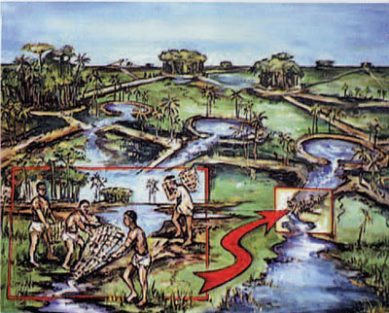
Why did many pre-Columbian cultures settle near rivers?
A) For defense
B) For gold mining
C) For water and fertile land
D) For religious reasons
C) For water and fertile land
Rivers provided water, fertile soil, and transportation routes.
400
Why did some indigenous groups support the Spanish?
A) They wanted Spanish culture
B) They opposed Inca rule
C) They feared punishment
D) They wanted gold
B) They opposed Inca rule
Groups like the Cañari resisted Inca domination.
400
What made the Quito School of Art unique?
A) Asian influence
B) Indigenous and European styles
C) Abstract art
D) Modern techniques
B) Indigenous and European styles
It blended European religious art with local elements.
400
Why was the Battle of Pichincha important?
A) It ended Inca rule
B) It destroyed Quito
C) It ended Spanish control
D) It formed Gran Colombia
C) It ended Spanish control
Spanish forces were defeated near Quito.
400
Why is Ecuador considered plurinational? 
A) It has many cities
B) It has many languages
C) It recognizes indigenous nations
D) It has many borders
C) It recognizes indigenous nations
The Constitution recognizes indigenous peoples.
500
What shows that pre-Columbian cultures had social organization? 
A) Nomadic lifestyles
B) Specialized labor
C) Isolation
D) Constant wars
B) Specialized labor
Different roles like artisans and leaders show organized societies.
500
How did Inca rule affect local cultures? 
A) It destroyed them completely
B) It had no effect
C) It imposed language and administration
D) It ended agriculture
C) It imposed language and administration
The Incas spread Quechua and their political system.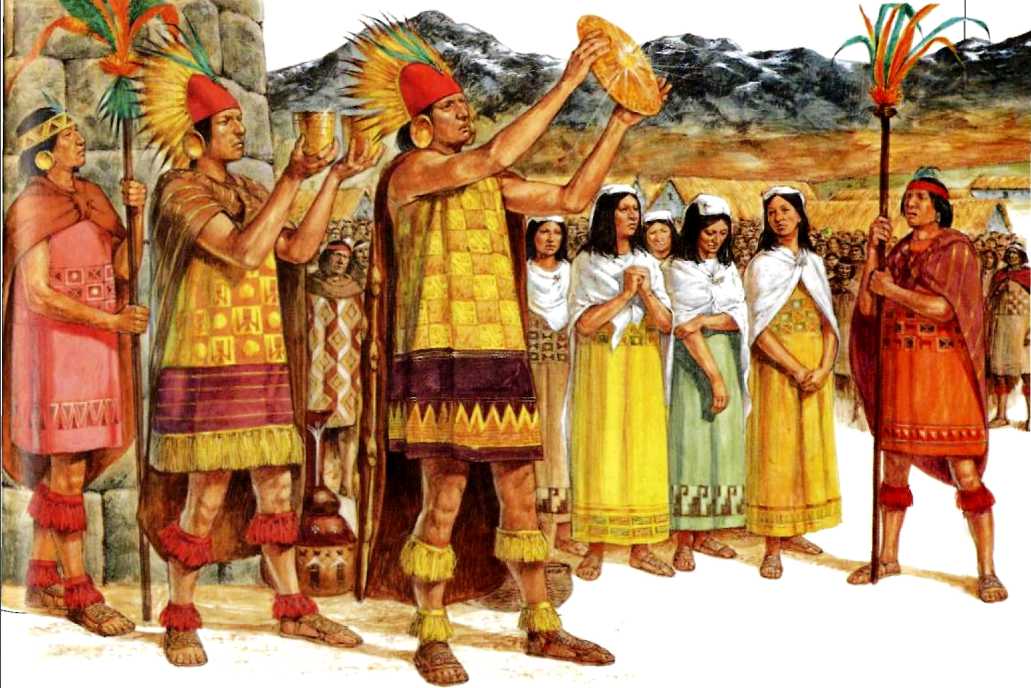
500
Why was colonial society unstable?
A) Too many wars
B) Economic equality
C) Social inequality
D) Lack of religion
C) Social inequality
Exploitation created social tension.
500
Who gained political power after independence?
A) Indigenous communities
B) Spain
C) Local elites
D) The Catholic Church
C) Local elites
Criollos controlled the new republic.
500
What major challenge does Ecuador face today?
A) Lack of culture
B) Overpopulation
C) Balancing development and environment
D) Isolation
C) Balancing development and environment
Economic growth often conflicts with environmental protection.