Vocabulary
Rocks & Minerals
Earth's Layers
Volcanoes & Geysers
Fossils & Dinosaurs
Other
100
A solid is a solid because it keeps its shape. True or false?
True
100
How are sedimentary rocks formed?
Pieces of dirt and rocks pressed on top of each other over time.
100
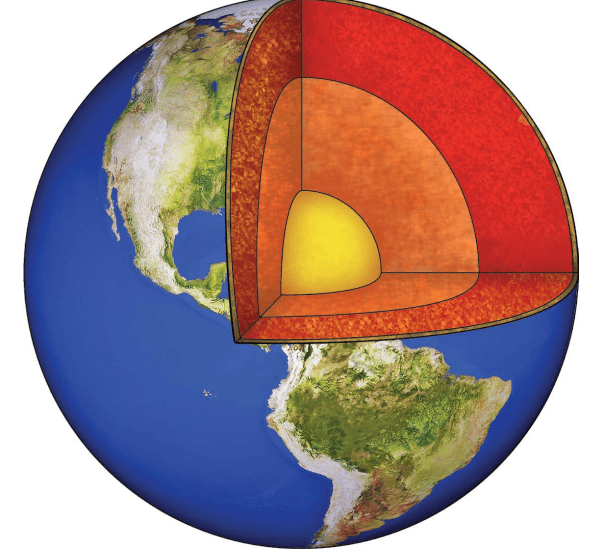
What color is the mantle layer of the Earth?
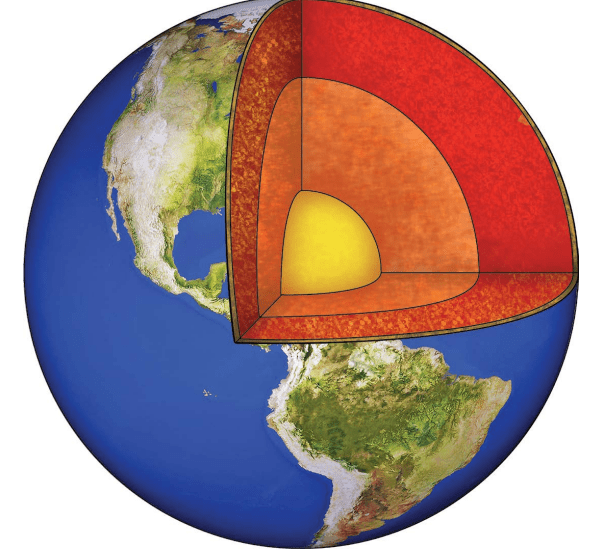
Red.
100
How can volcanoes be destructive?
When their lava and ash pour out onto the land around them.
100
If dinosaurs are extinct, what does that mean?
There are no more dinosaurs alive on earth.
100
Where is the surface of the Earth at?
The outside of the Earth where we are.
200
Does pressure happen when the weight of something presses or pushes on something else?
Yes.
200
What is a mineral used by people in food?
Salt.
200
What is the inner core made of, and is it solid or liquid?
It is a solid metal ball.
200
What causes volcanoes to erupt?
Magma is making its way to the surface of the Earth.
200
What is a fossil?
The preserved imprint or bodies of animals and plants that died many years ago.
200
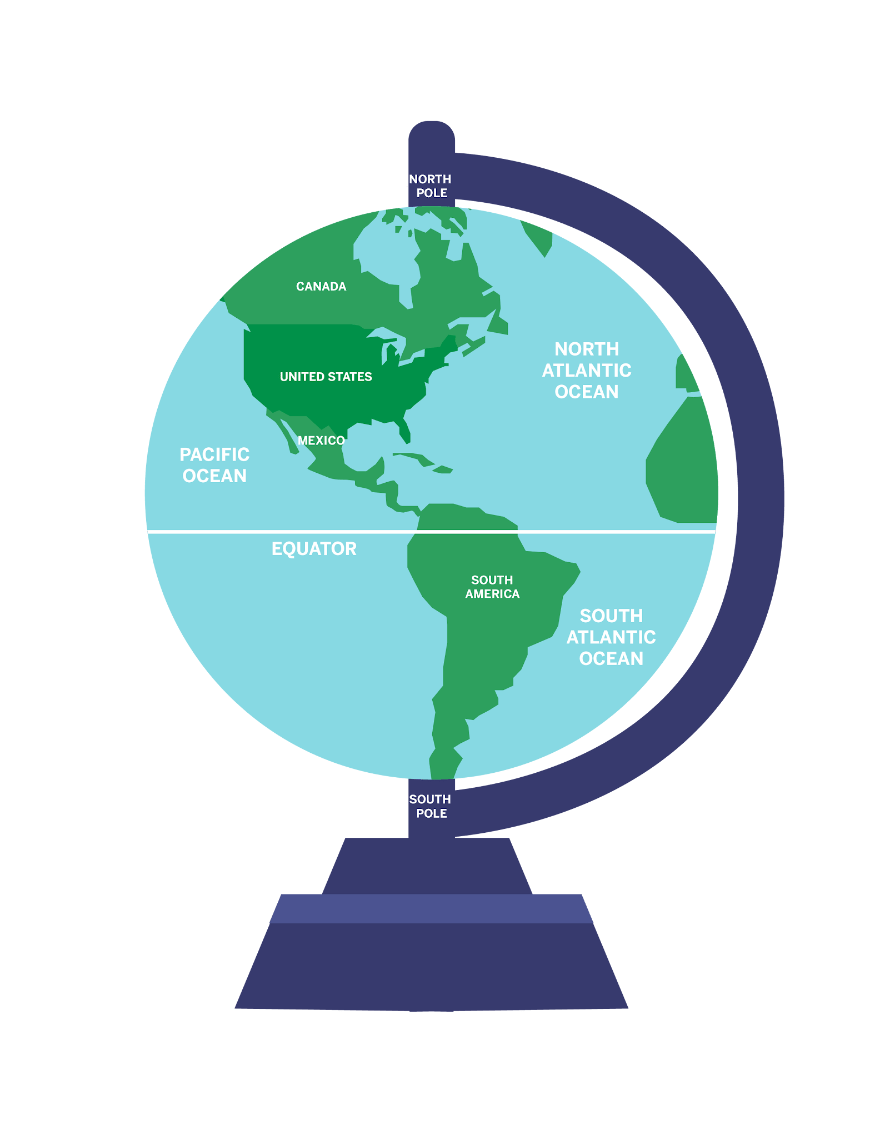
Identify the North Pole, South Pole, and Equator on the globe.
300
When something varies, does it change or stay the same?
It changes.
300
Is the surface of the earth liquid rock or solid rock?
Solid Rock
300
What is the Earth's crust made of?
Rock.
300
What erupts from a geyser?
Hot water and steam.
300
How do scientists learn about the history of the Earth?
Studying rocks and fossils.
300
What is the Earth shaped like?
A sphere or ball.
400
When it is cold outside, do you wear layers or no layers?
Layers
400
What are some of the characteristics of rocks?
Colors, textures, shapes, and sizes.
400
What is the Earth’s surface covered with?
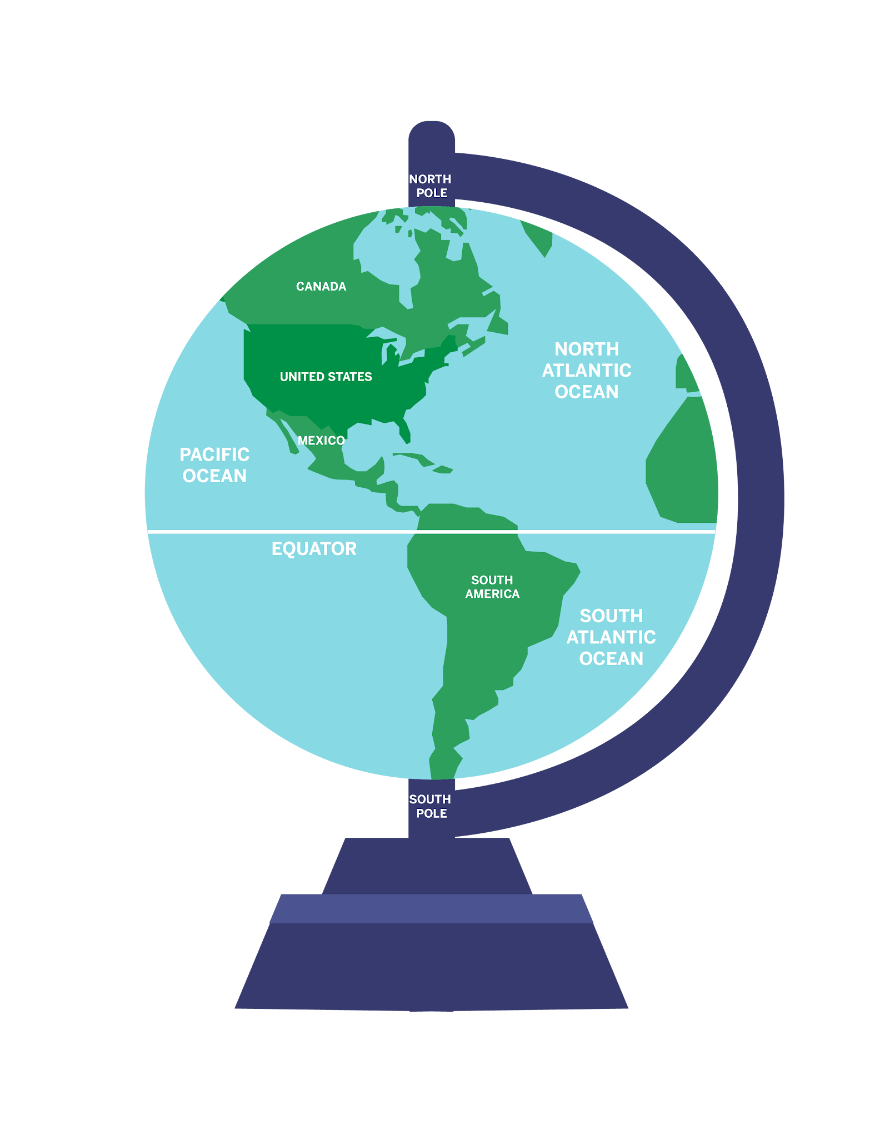
Continents and Oceans
400
Do fossils come from geysers?
No, fossils come from decayed or dead animal or plant parts imprinting on a rock over time.
400
How do we know dinosaurs used to be living on Earth?
Fossilized dinosaur bones have been found.
400
What is a Geologist?
A person who studies the history of the Earth.
500
What does it mean if something is preserved?
It is kept in good condition for a long time.
500
What are the three different types of rocks?
Igneous, sedimentary, metamorphic.
500
How many layers is the Earth and what are they called?
4, crust, mantle, outer core, and inner core.
500
What is a hot spot?
A place where there is a lot of volcanic activity.
500
Why do paleontologists study fossils?
To learn about the history of life on Earth.
500
What three things cause changes inside the Earth?
Heat, pressure, and time.