General 1
General 2
Technology
Working +
Working 2
100
Where did the Industrial Revolution begin?
England (UK)
100
During what years did the Industrial Revolution occur?
1750-1900
100
How were goods made before the Industrial Revolution?
By hand
100
What was the term for the punishment of sending criminals to colonies, such as Australia, to work for a set number of years?
Transportation
100
Why did people move from rural areas to cities during the Industrial Revolution?
For jobs in factories
200
What were these called?

Stocks
200
When was slavery abolished in the British Empire?
1833
200
The name of the machine used for spinning wool or cotton
Spinning jenny
200
On average, how many hours a day and days a week did people work before the Factory Acts?
10-12 hours a day, 6 days a week
12-14 hours a day, 6 days a week
10-12 hours a day, 7 days a week
12-14 hours a day, 6 days a week
200
What are 3 reasons why working in factories was difficult during the Industrial Revolution
1. Unsafe environments
2. Long hours
3. Low pay
300
What were 3 common crimes during the Industrial Revolution?
Theft
Pickpocketing
Burglary
Vagrancy
Public disorder (drunkenness)
300
What 3 types of energy were dominant by the end of the Industrial Revolution?
Coal
Steam
Electricity
300
Alexander Graham Bell is most famous for inventing what?
Bonus points if you know the year it was invented.
Phone
1876
300
What are two reasons children were often employed in factories?
1. They were cheaper than men
2. They were small enough to work in tight spaces
300
The amount of hours that people worked in factories and how many days
12-14 hours a day, 6 days a week
400
Name 3 types of energy that were commonly used before the Industrial Revolution?
Animal power
Human power
Water power
Wood (for heating)
Wind power
400
What was education like for most working-class children early in the Industrial Revolution?
Most children received little or no formal education because they worked in factories or mines
400
What is the name of the machine that separates seeds from the cotton?
Cotton gin
400
In which years were the Factory Acts introduced?
1763-1795
1853-1859
1802-1847
1802-1847
400
What percentage of people were working in factories by 1870?
40%?
50%?
60%?
60%
500
Name three ways the Industrial Revolution negatively affected living conditions in cities?
Cities became crowded, polluted, dirty and had poor sanitation
500
How did overcrowding in industrialised cities affect people’s health?
Because of crowding diseases spread quickly and led to high death rates.
500
Name 3 very important medical technologies that were invented during the Industrial Revolution.
1. Vaccines
2. Antiseptics for germ control
3. Anaesthesia
4. Stethoscope
5. Germ theory
500
What was the minimum working age before the Factory Acts?
There was no minimum working age
500
What is the name for the organisations who fought for better pay and conditions for factory workers?
Trade unions
600
What role did slavery play in the Industrial Revolution?
Slavery provided raw materials like cotton, which supplied factories and helped industrial economies grow.
600
How did policing change during the Industrial Revolution?
Professional police forces were created to maintain law and order in growing cities.
600
These were invented and created during the Industrial Revolution and allowed for the large scale transport of raw materials, such as cotton, to factories, and the shipping of finished goods to ports.
Railroads
600
Who designed the version of the steam engine that made it useful for factories and transport?
James Watt
600
What was the name for the places where very poor people went to receive food and shelter in exchange for doing hard work?
Workhouses
700
What are 2 major reasons why life expectancy in Britain increased from 35-40 year in 1750 to 45-50 years by 1900?
1. Medical knowledge
2. Better sanitation
3. Increased food
700
Why were the two main reasons housing conditions become so poor in industrial cities?
1. Rapid urbanisation led to overcrowding
2. No regulations, so landlords built cheap, cramped housing with poor sanitation to maximise profit.
700
Explain how the development of farming technologies led to population growth
Improved farming technologies increased food production and reliability, which reduced famine and allowed the population to grow
700
What is the name of this early bicycle?
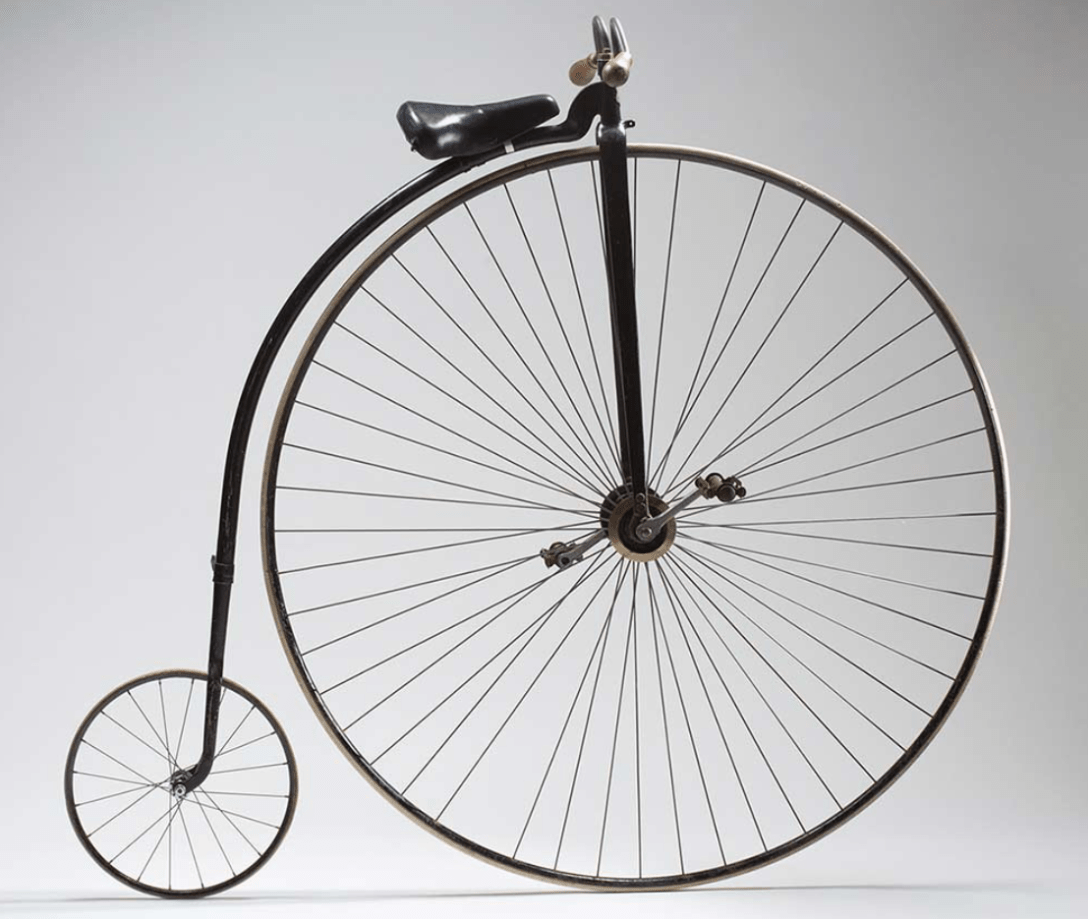
Penny Farthing
700
What did the Poor Law Amendment Act of 1834 do?
Required poor or homeless people who needed government assistance to go to workhouses