Organization
Groups
Ions
Metals/ Nonmetals/ metalloids
Other
100
Where are the smallest elements on the periodic table located?
the top
100
group number 2
What is Alkaline Earth Metals
100
atoms that lose one or more valence electrons
What is a Cation
100
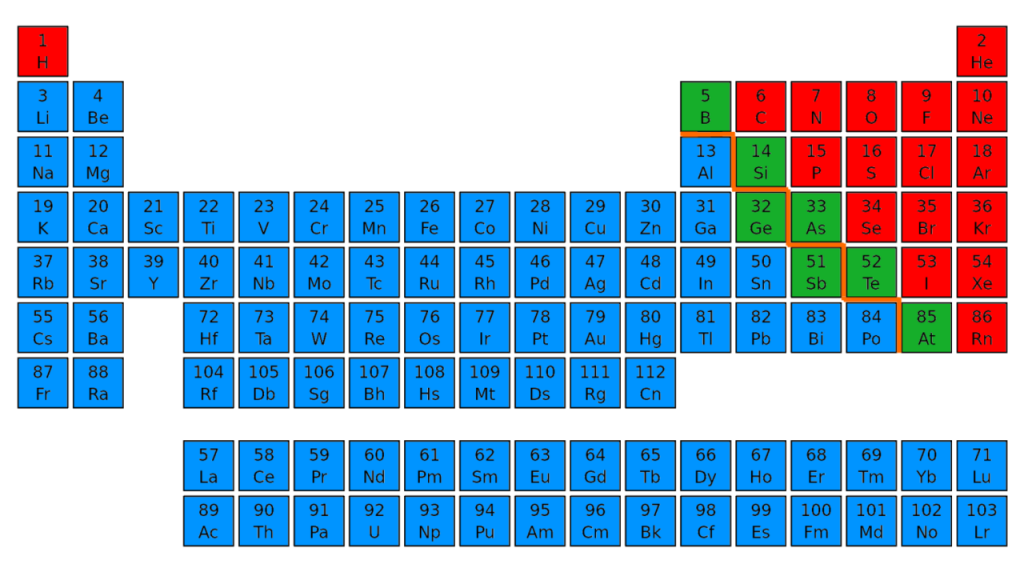 The elements in green are considered...
What are metalloids
100
Name the charge of the following:
Protons, Neutrons, Electrons
Protons- positive
Neutrons- no charge
Electrons- negative
200
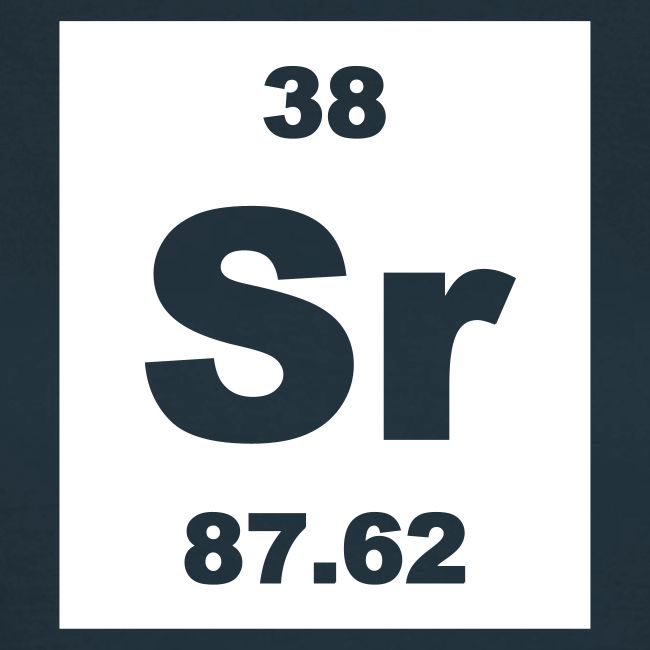
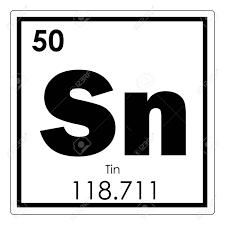 Which atom is larger?
What is Sr
200
the oxidation number for Alkali Metals
What is +1
200
elements that do not lose electrons to become stable
What are nonmetals
200
The elements in blue are considered...
What are metals
200
formula for mass on the periodic table
What is protons + neutrons = atomic mass
300
Does atomic radius increases going up, down, left, or right on the periodic table?
What is down
300
What are the names of the 2 periods. (they are apart of the transition metals)
What is Lanthanides and Actinides
300
energy required to move an electron from a gaseous atom or ion
What is ionization energy
300
The elements in red are.....
What are nonmetals
300
This person used atomic number as the organizing principle of the periodic table
Who is Henry Moseley
400
Does electronegativity increase as you go down or across the periodic table?
What is across
400
Group number 17
What is Halogens
400
What does an oxidation number show about an ion?
the charge an atom would have if the compound was composed of ions
400
high conductivity, lose electrons to stabilize, shiny, ex: Iron
metals
400
This person used atomic mass as the organizing principle of the periodic table.
Who is Dmitri Mendeleev
500
how the periodic table is organized
atomic number
500
Group number 18
What is Noble Gases
500
How does effective nuclear charge effect ionization energy?
it increases
500
ex: Helium
nonmetal
500
a rule of thumb that states that atoms prefer to have 8 valence electrons in its outermost electron shell
What is the octet rule