Moody Blues
You'll be in my Thought Disorders
Under Pressure
Don't You Worry Child
Treat You Better
With a Little Help From my Friends
Final Jeopardy
100
This is defined as a sustained period of abnormally and persistently elevated (euphoric), expansive, or irritable mood
Mania/manic episode
100
This disorder is characterized by at least one positive symptom of schizophrenia and lasts between 1-30 days
Brief psychotic disorder
100
To help a patient who feels disconnected from the present, nurses often guide them through techniques involving sensory focus or mindfulness. This type of technique is known as
grounding
100
Hallmarks of this disorder are obsessions, compulsions, and superstition
Obsessive compulsive disorder
100
These two classes of medications are considered first-line treatment for GAD, panic disorder, PTSD, and social phobia
SSRI and SNRI
100
The number one nursing priority when working with a suicidal patient
Safety
100
These four broad domains are assessed in the MSE
Appearance
Behaviour
Cognition
Thoughts
200
This disorder is characterized by at least two weeks of pervasive low mood, low self-esteem, and loss of interest or pleasure in normally enjoyable activities
Major depressive disorder
200
These pictures depict this symptom of schizophrenia
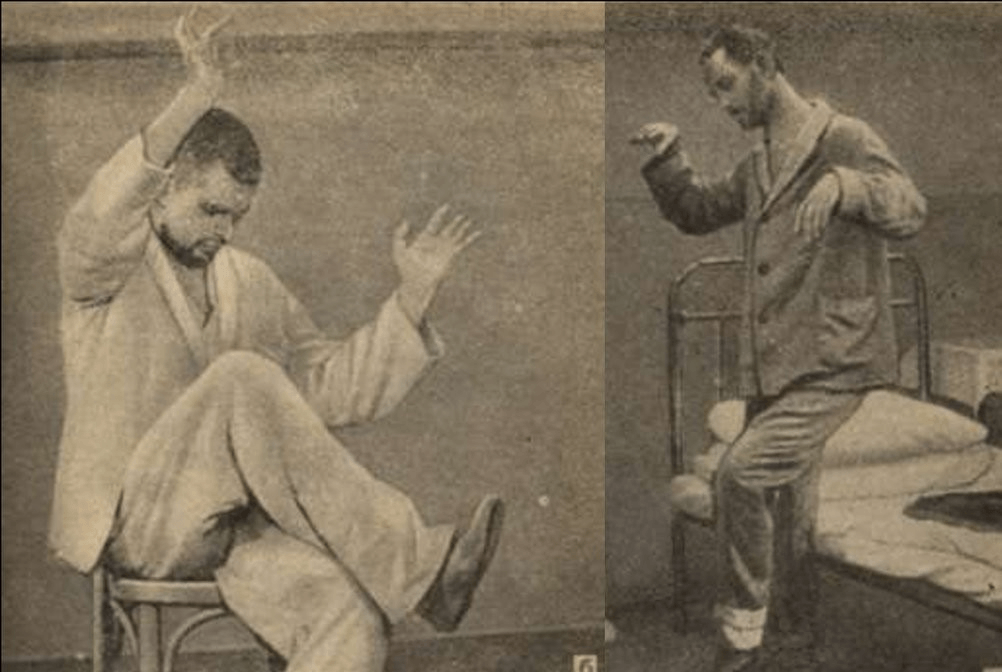
Waxy flexibility or catatonia
200
Name two preventative factors that help protect people from developing trauma and stressor-related disorders
Correct answers can include:
having a support system of friends, family and community resources
feeling confident about one’s own actions regarding the event
having adaptive coping strategies
being resourceful
200
Claustrophobia, trypanophobia, and acrophobia are types of this anxiety disorder
Specific phobia
200
This type of social therapy follows harm reduction principles and is effective for patients with thought disorders with co-occurring substance use disorder.
Integrated dual diagnosis treatment
200
This model of care encourages patients to make their own decisions and achieve goals while focusing on strengths
The Recovery Model
300
Four or more bipolar mood episodes in the last 12 months qualifies for this specifier in the DSM-5
Rapid cycling
300
This type of disorganized speech is characterized by pompous and overly formal, flowery, artificial language (it is one of Tara's favourite kind of disorganized speech)
Stilted language
300
Name three risk factors that increase the likelihood for developing PTSD after a traumatic event
Correct answers can include:
experiencing dangerous events and trauma in the past
having a history of mental health or substance use problems
young age at the time of trauma
lower intelligence
having a small/no support system
feeling guilt, shame or responsibility for the event or its outcome
experiencing additional stress after the event (ex: loss of a loved one, pain and injury, loss of a job or home)
300
What are Peplau's levels of anxiety?
Mild, moderate, severe, panic
300
Tardive dyskinesia, parkinsonism, and dystonia are this kind of side effect of antipsychotic medications
Extrapyramidal side effects
300
Perceptions of coercion can be mitigated by using this process in which the nurse practices transparency, fairness, and benevolence
Procedural justice
400
Persistent depressive disorder is also known as this
Dysthymia
400
A person would be suffering from this kind of delusion if they believed they had stage iv cancer despite being confronted with evidence to the contrary
Somatic delusion
400
This term describes a state of constant watchfulness, where an individual is always on guard for potential dangers
Hypervigilance
400
To meet the criteria for OCD, a person’s obsessions and compulsions must cause significant distress and interfere with these areas of life
work, social, and/or personal functioning
400
A potentially life-threatening side effect of antipsychotic drugs characterized by fever, muscle, rigidity, unstable BP, diaphoresis, pallor, tachycardia, and mental status deterioration
Neuroleptic malignant syndrome
400
Caregivers of people with SMI often experience this, which includes emotional, physical, and financial challenges
Caregiver burden
500
To be diagnosed with a mood disorder of post-partum onset, symptom onset must occur within this many weeks after delivery
Four
500
A negative symptom of SSD that causes a decrease in goal-directed activity
Avolition
500
This specifier in the DSM-5 can be applied to a diagnosis of PTSD if the full diagnostic criteria are not met until at least 6 months after the event
Delayed expression
500
This neurotransmitter is often known as a "peace keeping" neurotransmitter and is thought to be the main neurotransmitter involved in anxiety
Gamma-amino-butyric acid
500
The nurse must monitor for this potentially life-threatening side effect when a patient is starting or increasing an SSRI
Serotonin syndrome
500
This term describes a lack of awareness of one’s illness, making it harder to seek or adhere to treatment
anosognosia
600
Symptoms of this mood disorder need to be present for at least 2 years and include chronic fluctuating mood disturbances
Cyclothymic disorder
600
This area of the brain plays a role in the management of emotions, fear, and aggression. In SSD there is volume loss noted to this "almond" shaped area
Amygdala
600
This term describes persistent or recurrent experiences of unreality of surroundings (e.g., the world around the individual is experienced as unreal, dreamlike, distant, or distorted) and is a symptom that can be seen in PTSD
Derealization
600
This region in the brain is thought to be affected in OCD. playing a large role in decision making, error monitoring, and reward-based learning as well as having involvement in assigning emotional and motivational meaning to things and experiences
Anterior cingulate cortex
600
This class of medications, traditionally used to treat hypertension can be effective in decreasing anxiety especially in certain types of social phobia
Beta-blockers
600
The term for a state of improvement in psychotic symptoms, reality distortion, and negative symptoms in SSD for at least 6 months
Remission