What is AKI??
H&P
Work up
Management
BONUS
100
Decrease in which measured value is the hallmark of AKI?
Glomerular filtration rate
100
What history findings indicate prerenal AKI?
History of frequent vomiting, diarrhea and decreased oral intake followed by decreased urine output
100
Which lab value is commonly used as a biomarker for AKI?
Serum creatinine
100
First line management for patient with prerenal AKI caused by hypovolemia
IV fluid bolus with NS
200
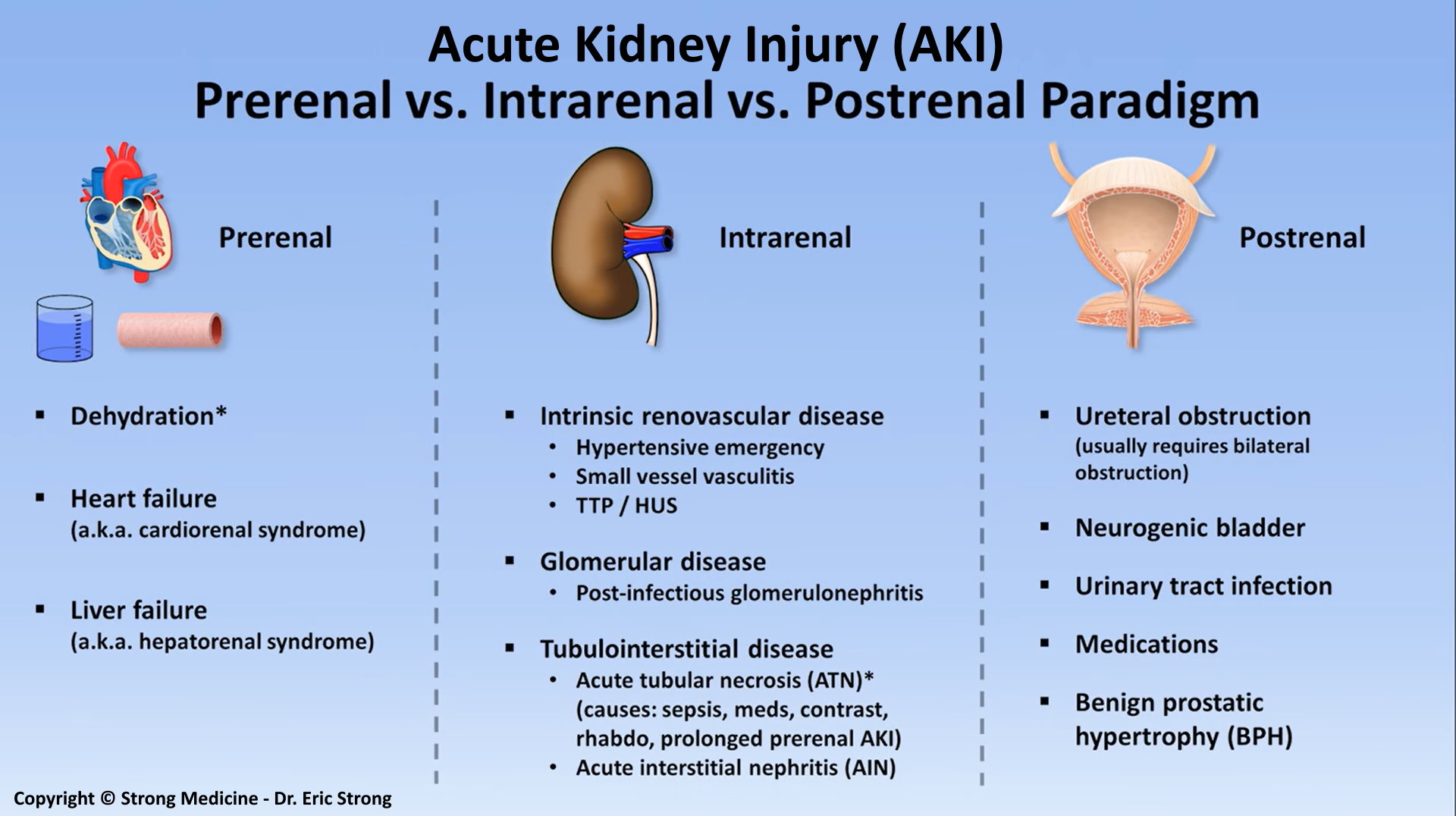
What are the three categories of AKI?
Prerenal, intrinsic, postrenal
200
What history findings indicate intrinsic AKI?
(Name 3 things)
-Bloody diarrhea for 3-7 days followed by oliguria (HUS)
-Pharyngitis or impetigo few weeks prior to gross hematuria and/or edema
-Nephrotoxic drugs
-Systemic findings of Henoch-Schonlein Purpura (purpura, abdominal pain, joint pain, angioedema) or Lupus (rash, joint pain, fever, fatigue), etc

200
What labs would you order?
BMP, urinalysis, serum/urine osms and sodium
Others: CBC, complement levels, antistreptococcal antibodies
200
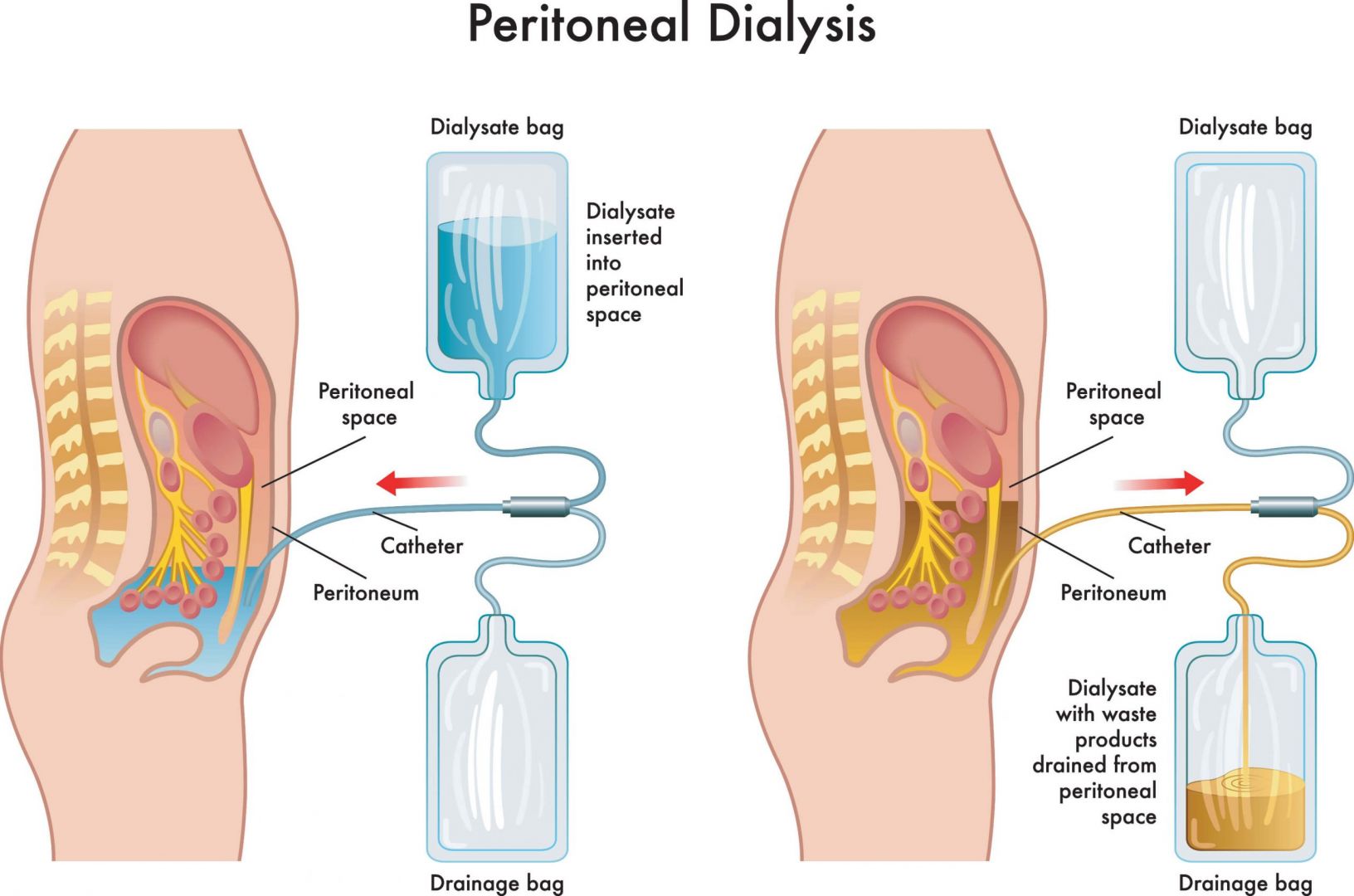
Which type of dialysis is most commonly used?
Peritoneal dialysis
300
What are the different criteria used for diagnosing AKI in peds?
pRIFLE, AKIN, KDIGO

300
What findings would you see on exam?
(Name at least 3)
Volume depletion: dry mucus membranes, decreased skin turgor, tachycardia, orthostatic hypotension, decreased perfusion
Edema (weight increase)
Rash (HSP, SLE, interstitial nephritis)
300
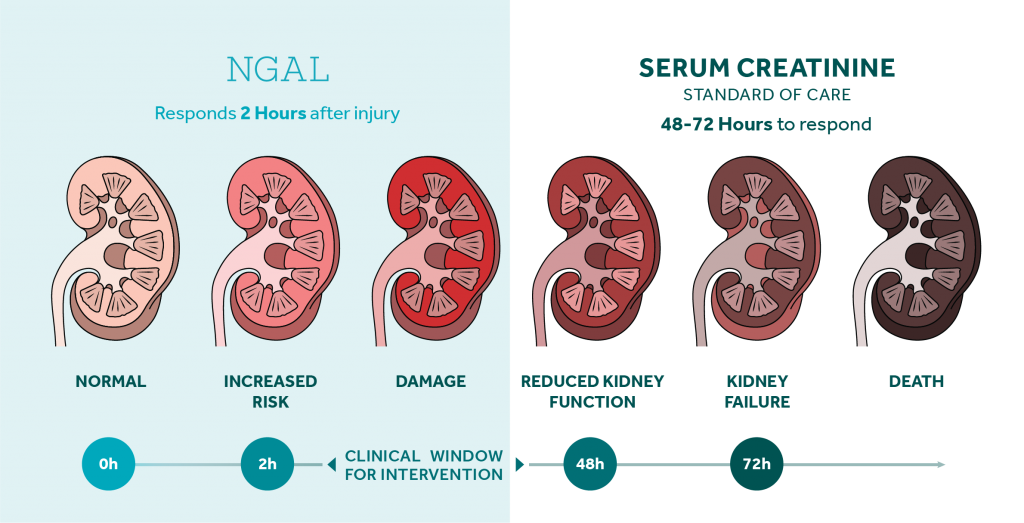
Which 2 lab values allow for earlier diagnosis than Cr?
Cystatin C and Neutrophil Gelatinase-Associated Lipocalin (NAGL)
300
What treatment can be used for hypervolemic prerenal AKI?
Furosemide bolus
400
What is the incidence of pediatric AKI in hospitals?
5-31% of noncritically ill hospitalized patients and about 55% of critically ill hospitalized patients
400
Most common cause of AKI in hospitalized children?
Nephrotoxic medications
400
What findings would you see on UA? Name at least 2
Muddy brown casts or granular casts= intrinsic AKI or ATN
Red cell casts= glomerulonephritis
Pyuria with white cell, granular, waxy casts= tubular or interstitial disease or UTI
Positive heme on urine dipstick with no RBCs on UA= rhabdomyolysis
Urine specific gravity: less than 1.010 means loss of concentrating ability seen in intrinsic AKI or ATN; more than 1.020 seen in prerenal disease
400
What factors necessitate initiation of renal replacement therapy?
Acidosis
Electrolyte imbalance (K>6.5)
Ingestion (nephrotoxins)
Overload
Uremia (BUN 80-100)
500
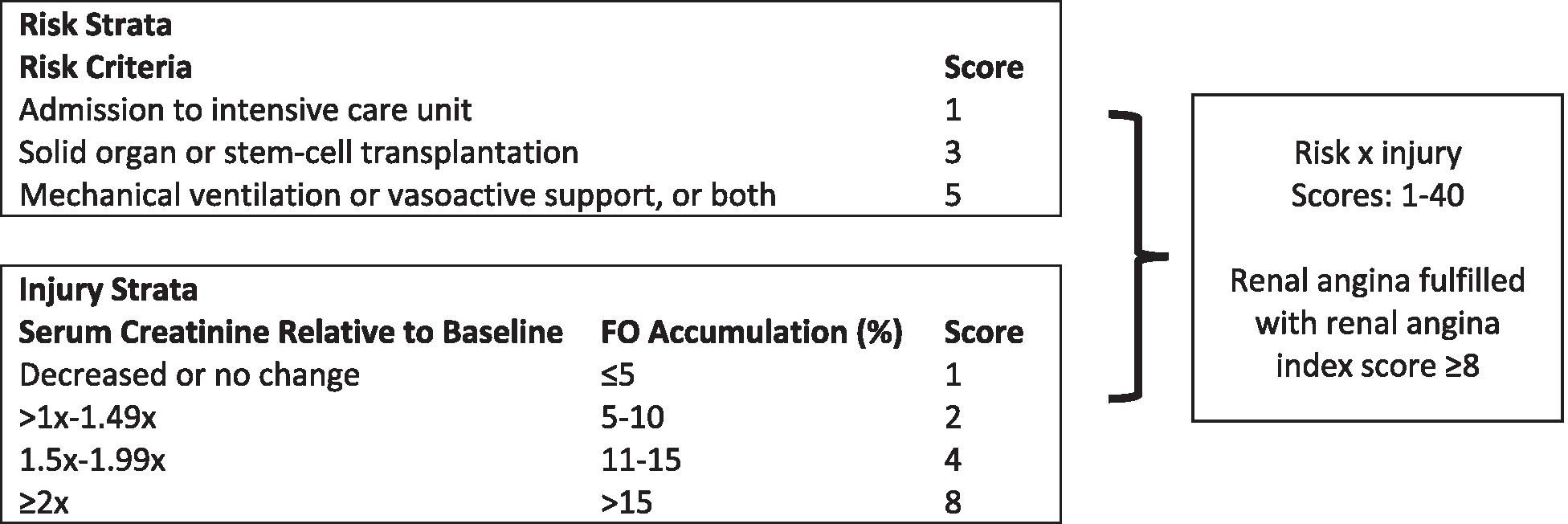
What tool can be used to predict risk of AKI in patients admitted to the PICU?
Renal Angina Index
500
How does chronic kidney injury present differently from acute kidney injury?
CKD- chronic hypertension, impaired growth, smaller kidneys on renal US
500
Calculation to distinguish between prerenal and intrinsic AKI
FeNa: (UNa x SCr)/(SNa x UCr) x 100%
500
What amount should consumption of Na be restricted to per day?
2-3 mEq/kg/day
500
What calculation can be used in place of FeNa in the setting of diuretic use?
FeUrea