Vocabulary
Retrieval
Inference
Mixed
100
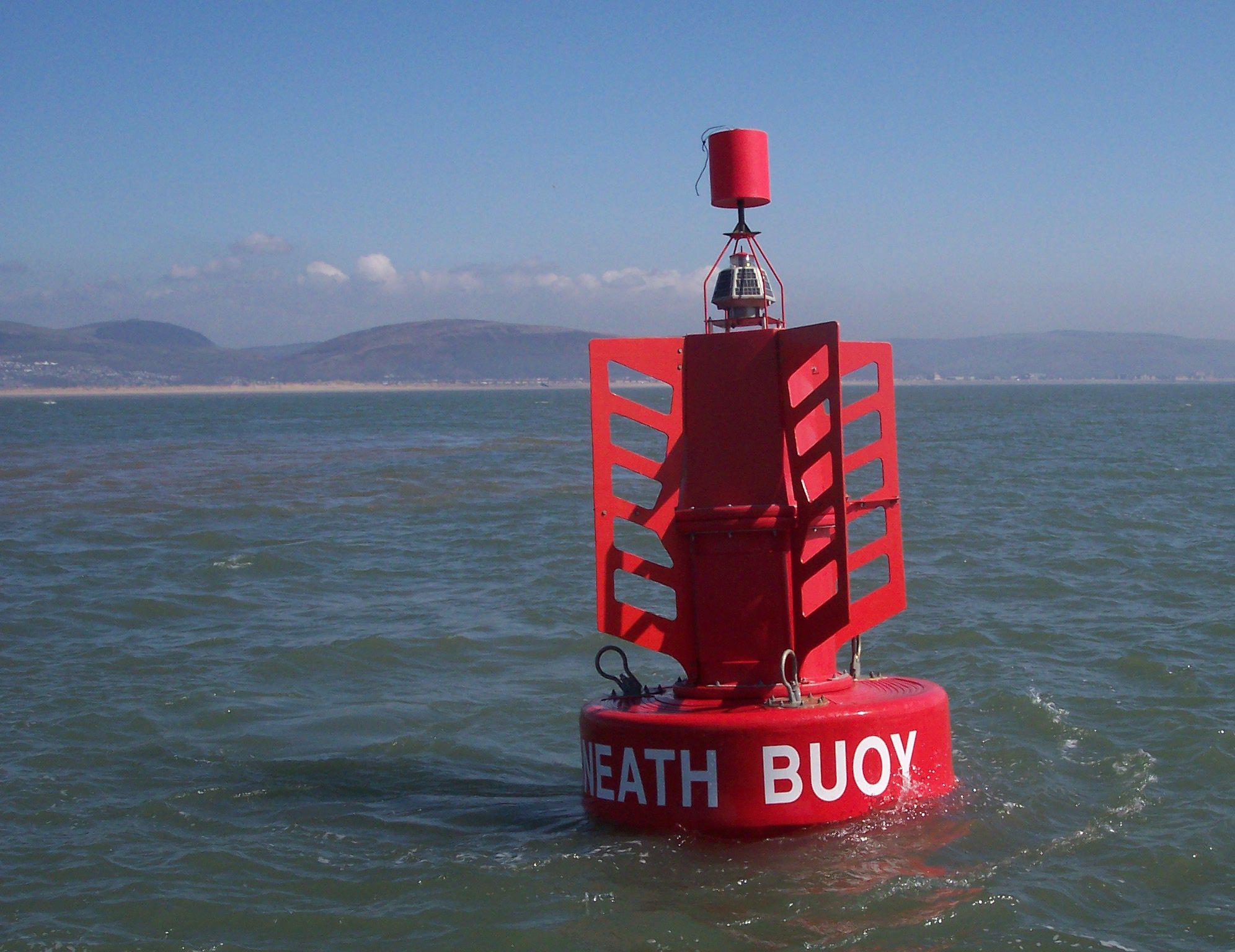
What does “perched” mean in the sentence “I saw an egret perched on a buoy”?
Sitting or resting on something high or narrow.
100
What bird does the narrator see first?
An egret.
100
How does the narrator feel when the egret flies away?
Surprised or confused (it felt sudden and strange).
100
What object was the egret sitting on?
A buoy.
200
In the text, the narrator says the river was “completely still and empty and silent.” What does “still” mean here?
Not moving.
200
What does the narrator use to watch the bird?
Binoculars.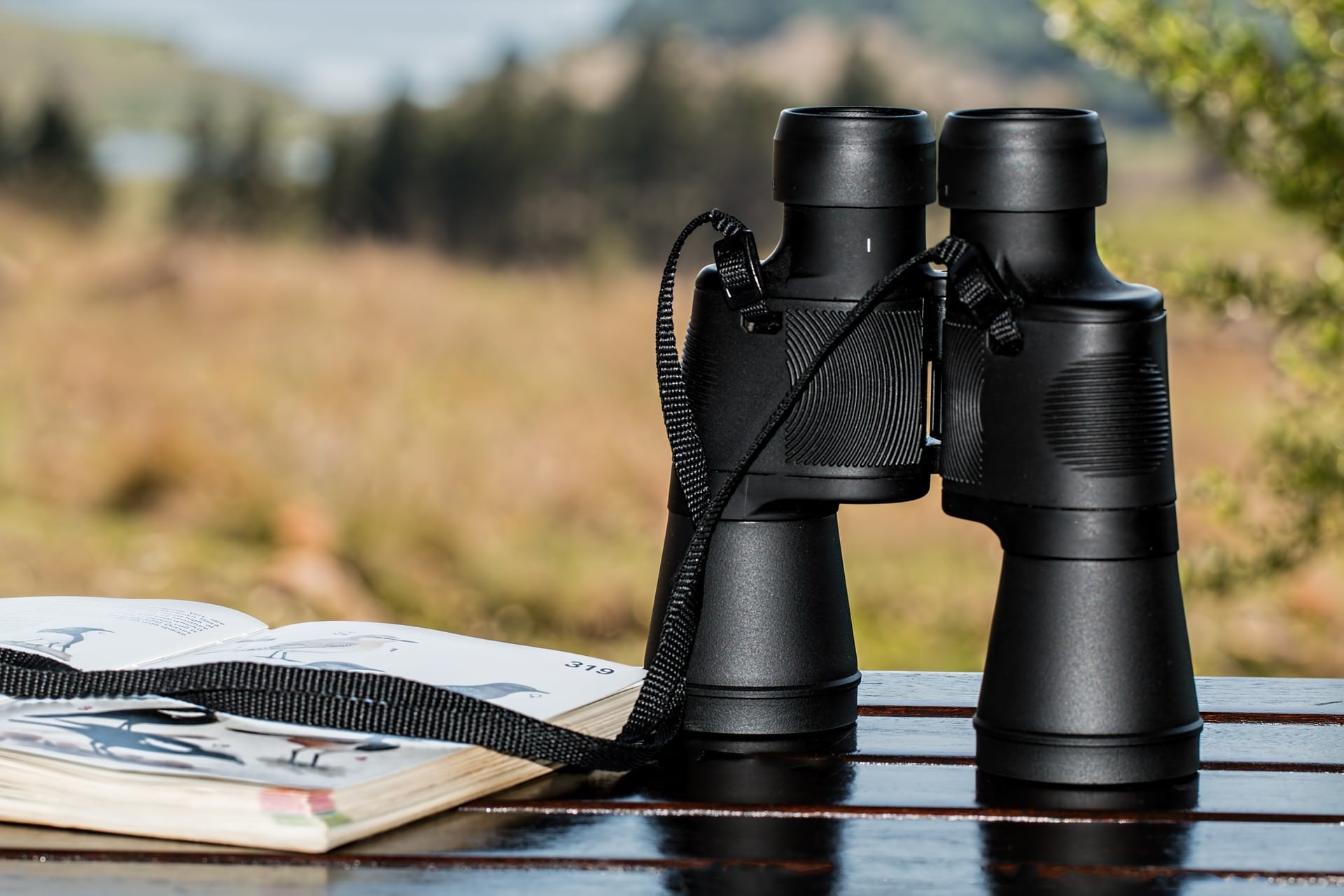
200
Why might the birds on the shore have flown away all at once?
They sensed danger or a disturbance approaching (the whale).
200
“It was like he was asking me, ‘Hey you, what are you doing here?’”
What technique is this?
Personification
300
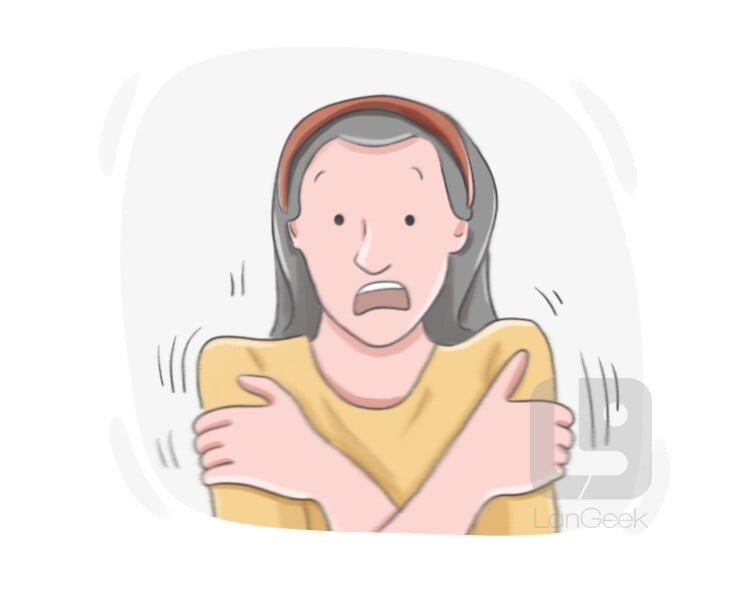
What does the word “shiver” mean in the phrase “a warm shiver of fear crept up my back”?
A small shake or tremble caused by emotion or cold.
300
What did all the birds on the shore do suddenly and without warning?
They all lifted off (flew away).

300
What does the narrator’s reaction (“I couldn’t believe my eyes”) show about seeing the whale?
He feels shocked and amazed.
300
Why does the narrator mistake the creature for a shark at first?
He only saw the fin coming toward him.

400
The narrator describes the whale moving “slowly slicing through the water.” What does “slicing” suggest about the movement?
Smooth, clean movement cutting through the water.

400
Why does the narrator know a lot about whales?
His uncle sent him a whale poster which he has kept on his bedroom wall.
400
Why does the narrator compare the whale to a dolphin before deciding it wasn’t one?
He is trying to make sense of what he’s seeing based on familiar animals.
400
What effect does the description “the river was holding its breath” create for the reader?
It builds tension and suspense, making the moment feel still and dramatic.
500
The narrator says the river was “holding its breath almost.” What literary device is this, and what does it mean?
Personification; it means the river felt tense and expectant, as if waiting for something to happen.
500
Which clues told the narrator the creature wasn’t a shark or a dolphin?
It was too big for a dolphin, not the right shape, and its face showed it was a bottle-nosed whale.
500
What can we infer about the narrator from the way he describes the whale’s appearance and behaviour?
He is observant, knowledgeable about animals, and deeply fascinated by nature.
500
How does the author use pacing (slow → sudden → quiet → reveal) to build suspense in the passage?
The slow calmness, sudden bird departure, eerie silence, and gradual reveal of the fin work together to create anticipation and heighten the shock of seeing a whale.