A&P
Wound Healing and Repair
Wound Complications
Common Treatments
Name that Exudate
100
This layer of the skin provides the main protective barrier against pathogens.
Epidermis
100
This type of wound healing occurs when edges are well-approximated, allowing for faster healing and minimal scarring.
Primary Intention Healing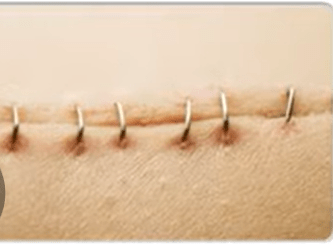
100
This complication occurs when an incision partially or completely separates.
Dehiscence
100
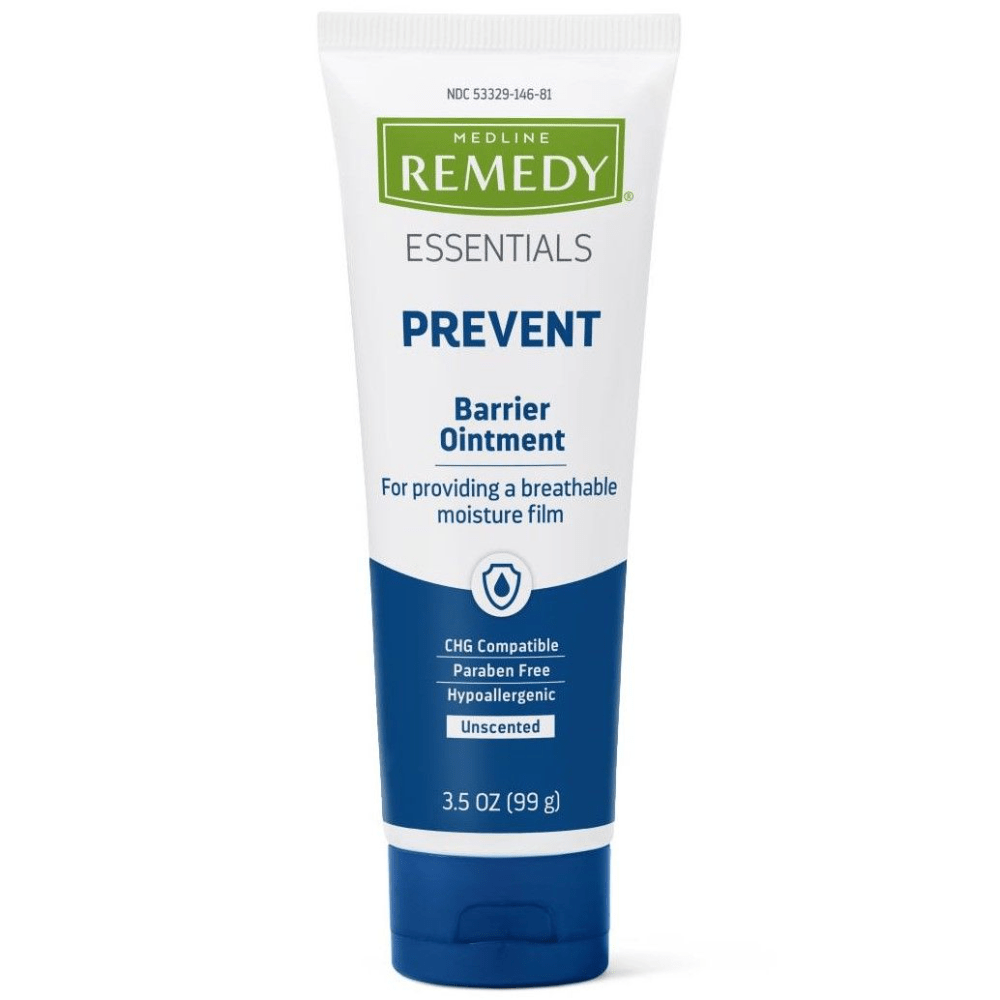
This treatment is applied to protect the skin from moisture and prevent breakdown in patients with incontinence.
Barrier Cream
100
This type of wound drainage appears clear and watery and is typically expected in normal healing.
Serous Drainage
200
This layer contains blood vessels and supports wound healing.
Dermis
200
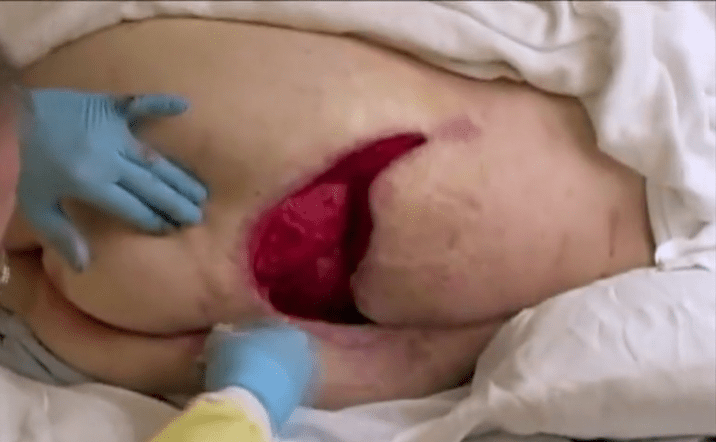
A wound left open due to infection risk and closed later is healing by this type of intention.
Tertiary intention
200
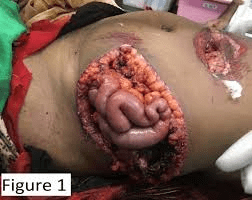
A serious complication that occurs when internal organs protrude through a surgical incision.
Evisceration
200
This device is used post-operatively to support abdominal muscles and reduce strain on an incision.
Abdominal Binder
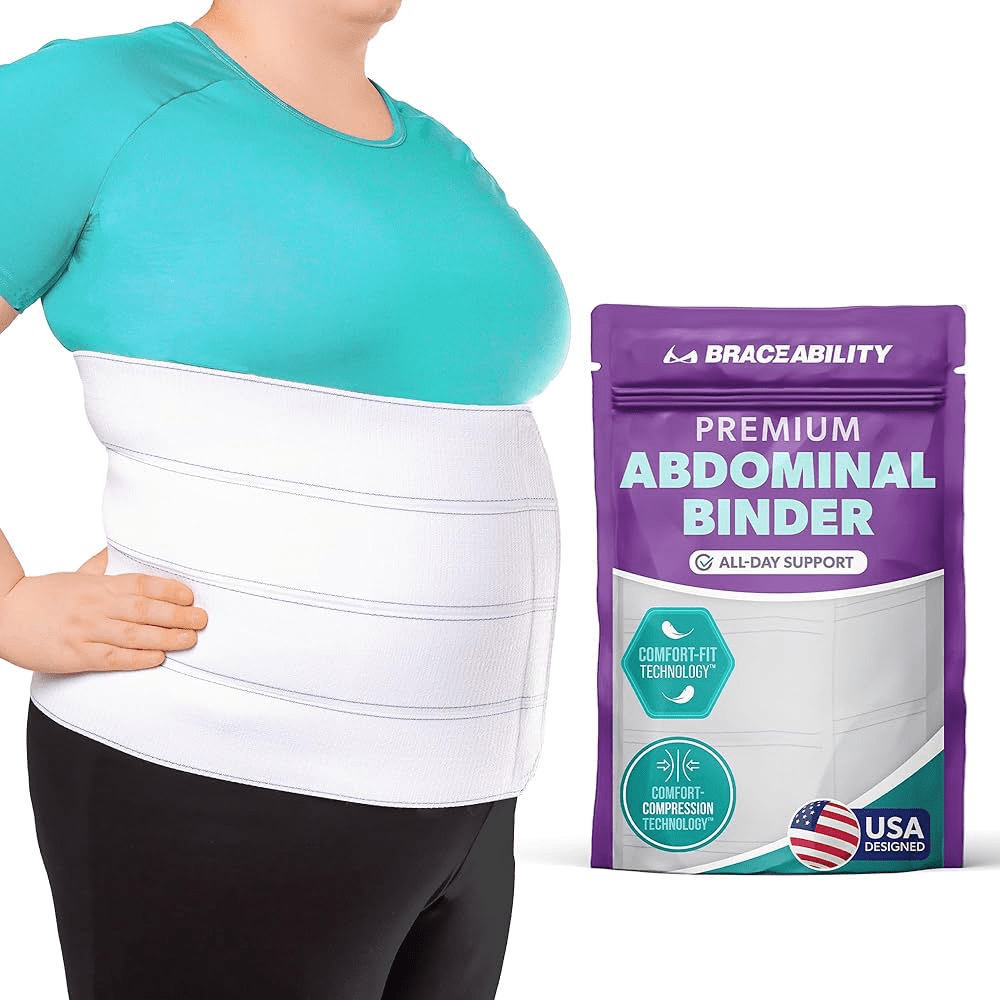
200
This type of drainage appears pink or light red due to a mixture of blood and serous fluid.
Serosanguinous
300
This layer provides insulation and cushioning for underlying structures.
Hypodermis (subcutaneous tissue)
300
A wound that heals from the inside out requires the formation of this tissue, which appears pink or red.
Granulation tissue
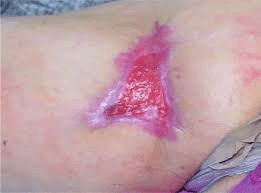
300
A sudden increase in sanguineous drainage on a surgical dressing most likely indicates this complication.
bleeding or hemorrhage
300
This treatment involves soaking the perineal area in warm water to promote healing and comfort.
Sitz Bath 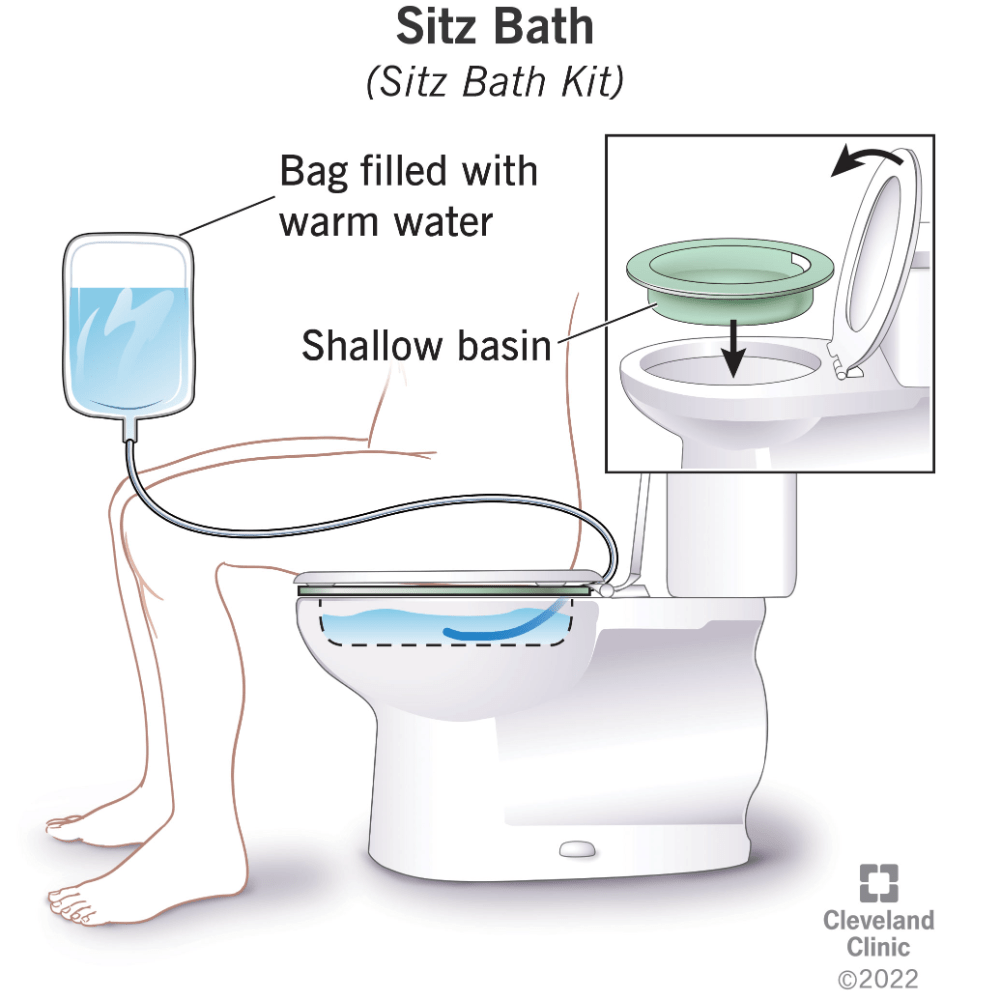
300
This type of exudate occurs when blood vessels are damaged, allowing blood to escape into the wound.
Sanguineous (bleeding)
400
The nutrient is essential for building and repairing tissue.
Protein
400
This type of wound healing requires significant formation of granulation tissue because the wound edges are not approximated.
Secondary intention healing
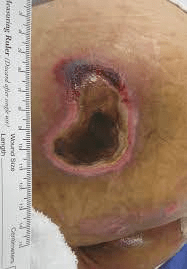
400
This complication weakens the skin’s barrier function, increasing risk for infection due to prolonged moisture exposure
Maceration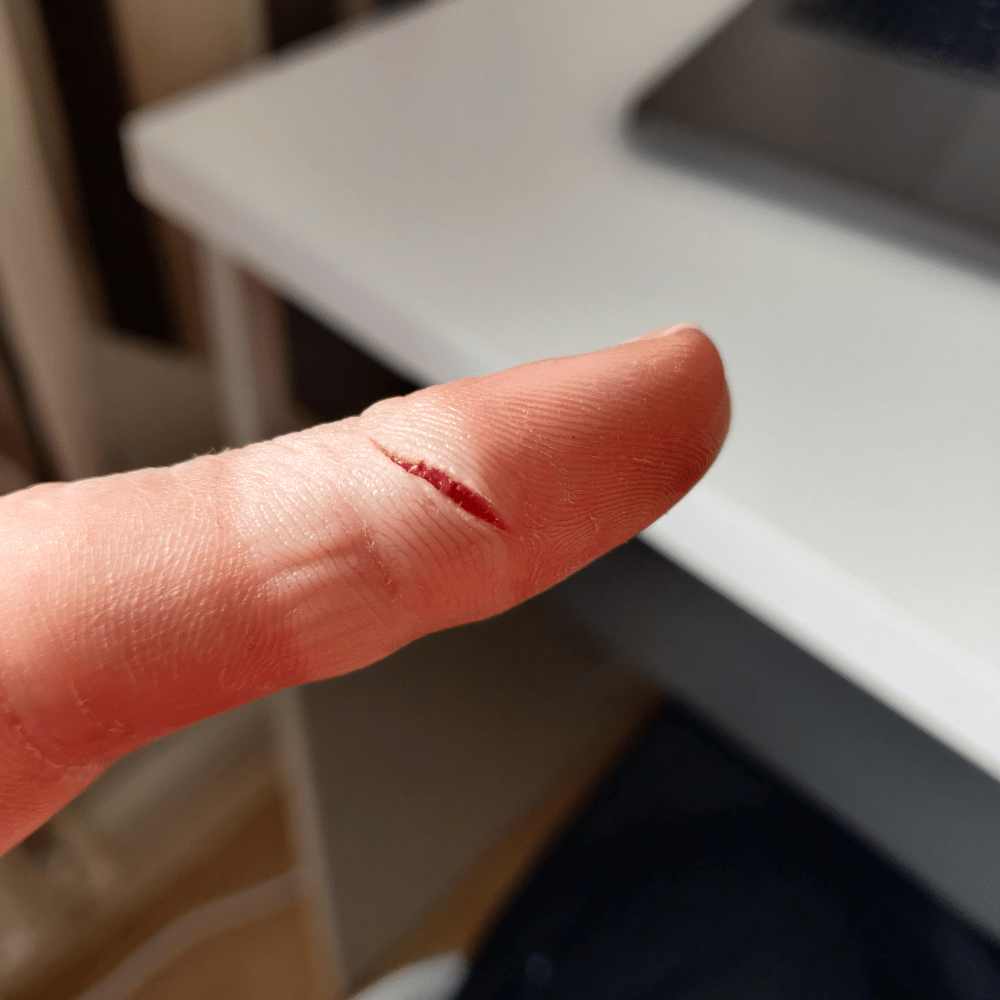
400
This type of dressing contains silver and is used to reduce bacterial load in a wound.
Antimicrobial (silver/Ag) dressing 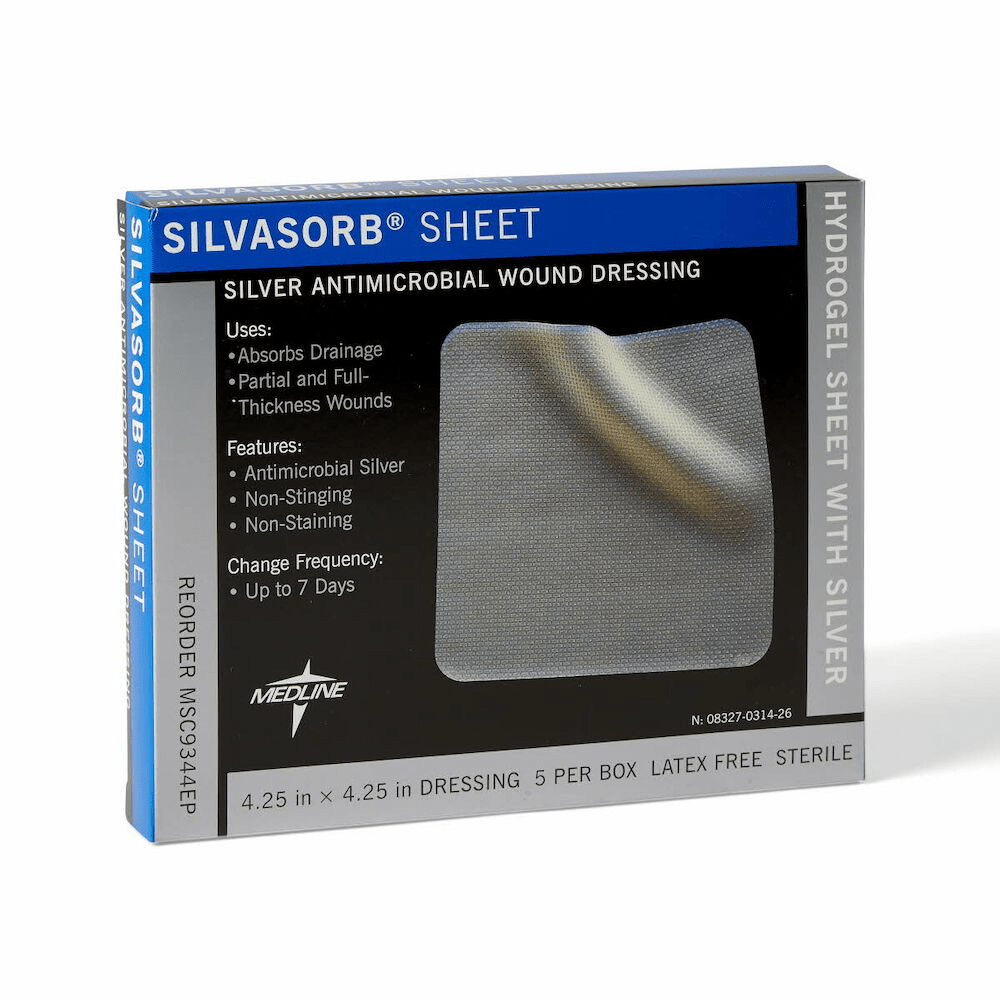
400
This type of exudate forms as a result of the body’s immune response, containing white blood cells and bacteria.
Purulent
500
This mineral supports immune function and wound healing.
Zinc
500
A patient with poor nutrition may have delayed wound healing due to decreased production of this protein that strengthens new tissue.
Collagen
500
A patient develops superficial skin loss after frequent repositioning without proper lifting technique. This finding is most consistent with this condition.
Excoriation
500
This intervention removes nonviable tissue from a wound to promote healing and reduce infection risk.
Debridement
500
This type of drainage would require the most immediate follow-up due to concern for active bleeding.
Sanguineous