Organelle Function
Types of Transports
Cell Membrane
Cellular respiration & Photosynthesis
Cells
1
What is the Golgi apparatus (or Golgi body)?
This organelle packages and modifies proteins before sending them to their final destinations inside or outside the cell.
1
What is the difference between diffusion and osmosis?
Osmosis is a type of passive transport moves water across a membrane. Diffusion is a type of passive transport moves molecules from high to low concentration without energy.
1
What is the fluid mosaic model?
The cell membrane is described by this model, which explains its flexible, moving parts. It is modeled with the phospholipid bilayer and proteins.
1
What is the purpose of photosynthesis?
The purpose of photosynthesis is for plants to make food.
1
What would happen if those tiny circular structures were stop functioning correctly?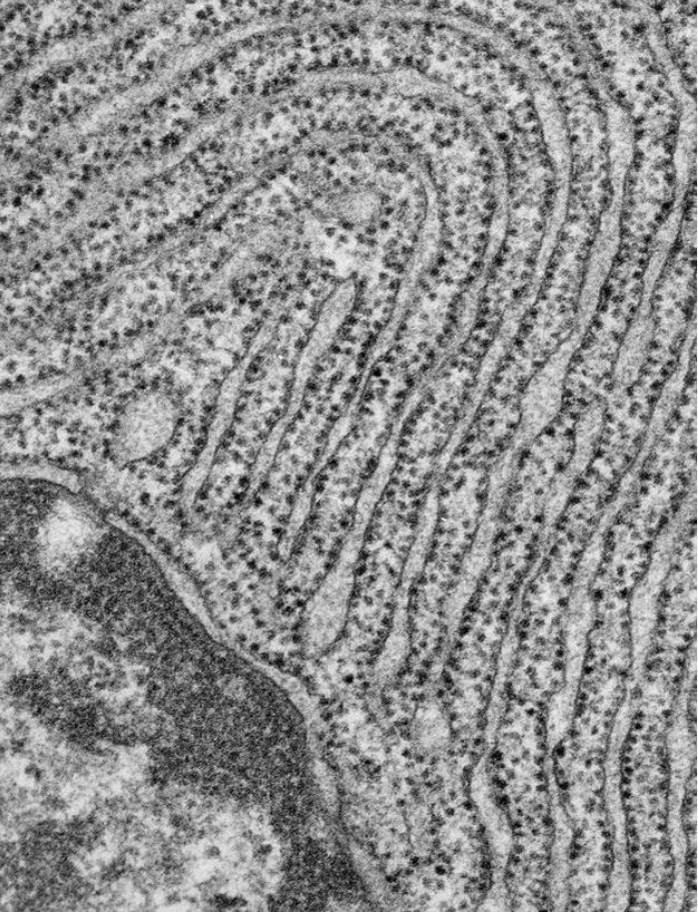
If the ribosomes were unable to work properly, proteins would not be made.
2
What is the chloroplast?
In plant cells, this organelle uses sunlight to make glucose during photosynthesis.
2
A red blood cell is placed in a solution, and it shrivels up because water leaves the cell. What type of solution is it in?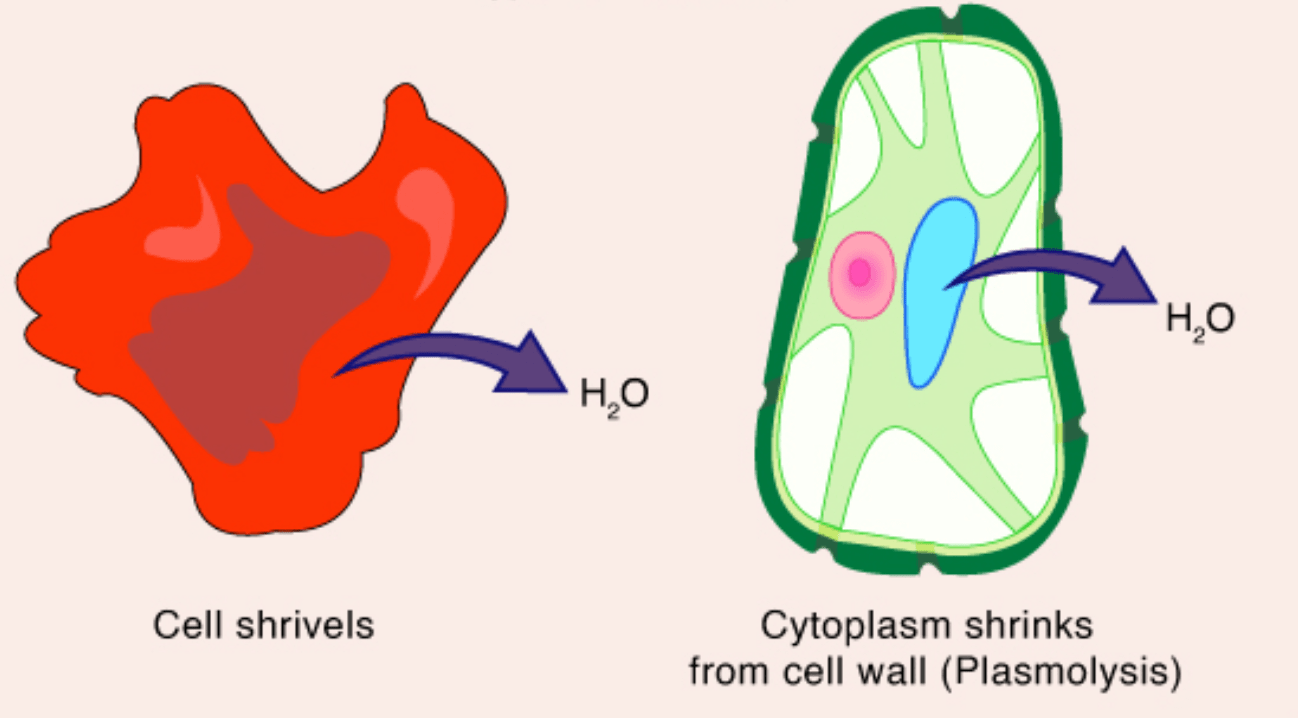
hypertonic solution
2
What is a concentration gradient?
The difference in concentration of a substance across a membrane, which helps drive diffusion.
2
Which process is this? Provide evidence.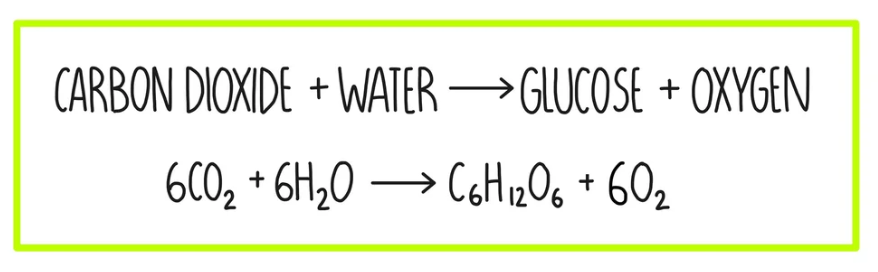
This is photosynthesis because glucose (food) is being made.
2
What is the function of this structure?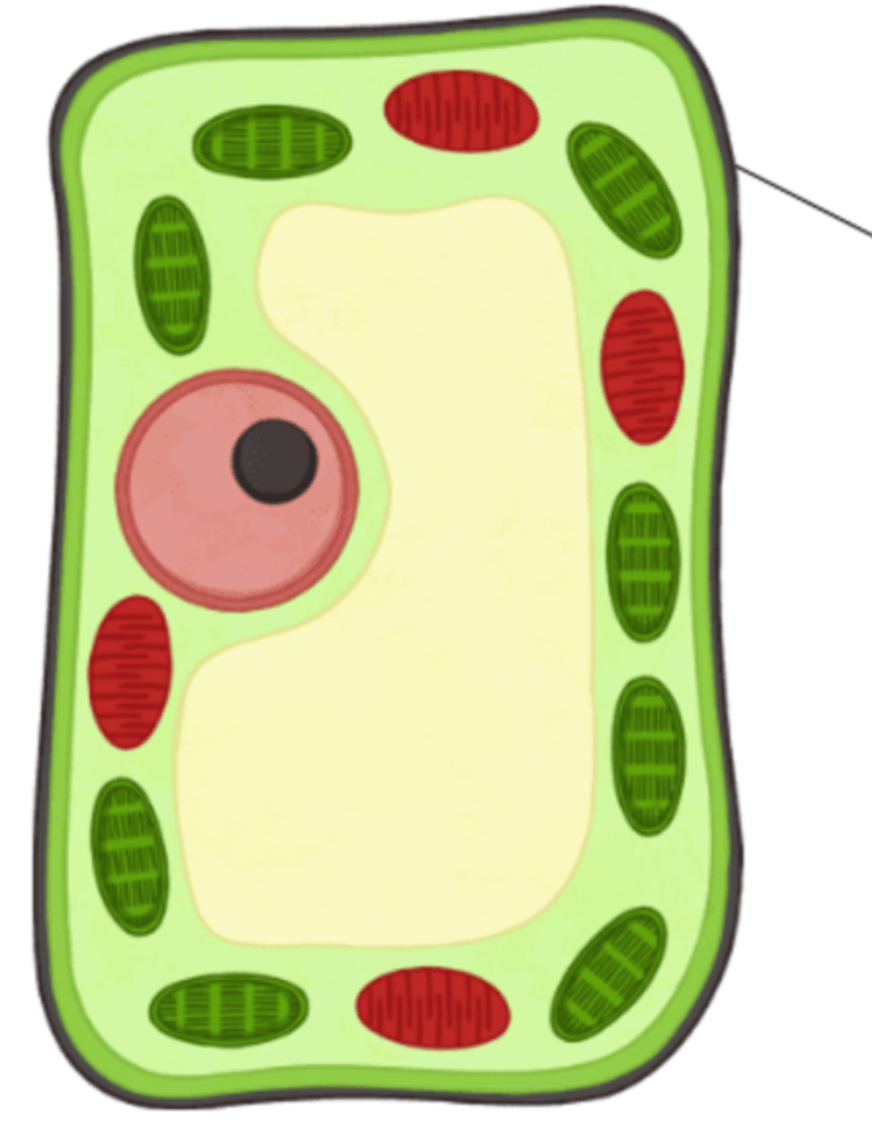
The function of the cell wall is to provide support for the cell.
3
What is the nucleus?
This organelle is known as the “control center” of the cell because it contains the cell’s DNA.
3
What is diffusion?
This type of passive transport moves molecules from high to low concentration without energy.
3
What is selectively permeable?
The cell membrane controls what goes in and out of the cell.
3
Why do cells perform cellular respiration?
Cells perform cellular respiration to make energy.
3
What is the difference between prokaryotes and eukaryotes?
Prokaryotes are simple and lack a nucleus. Eukaryotes are more complex and have a nucleus
4
What are lysosomes?
A lysosome breaks down large molecules
4
What is facilitated diffusion?
This special type of diffusion helps large or charged molecules pass through the membrane using proteins.
4
What are phospholipids?
The main structure of the cell membrane is made up of two layers of these molecules.
4
What molecule provides energy for the cell?
ATP
4
Which type of cell is this? Provide evidence.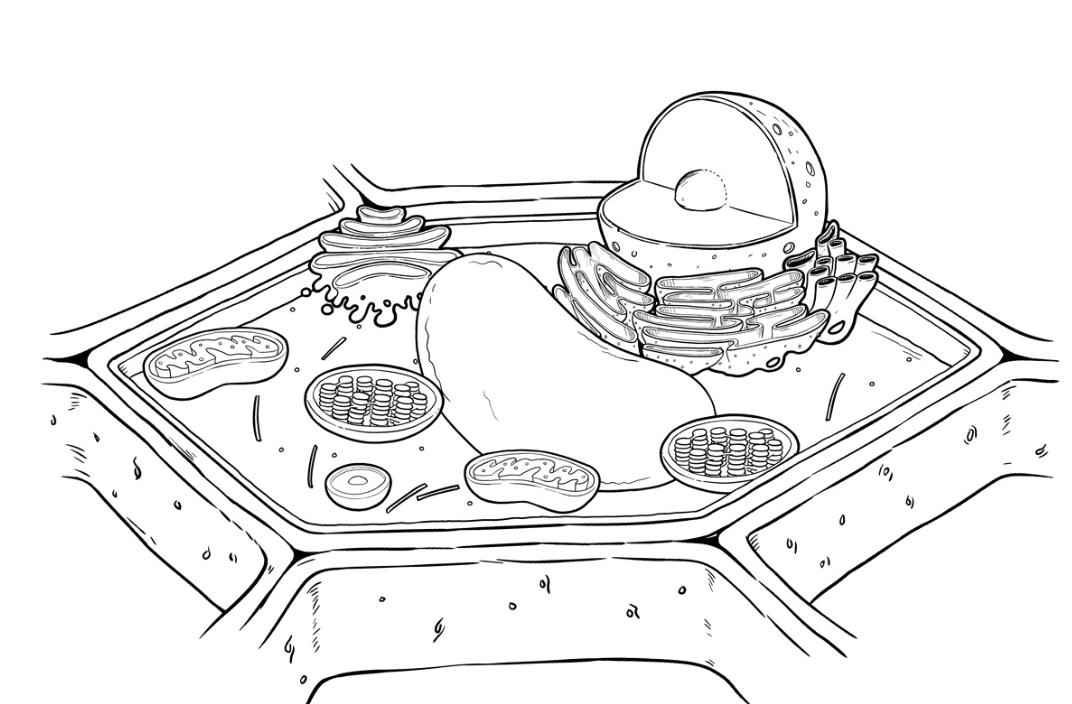
This is a plant cell.
- rectangular shape
- large vacuole
- chloroplast
5
What is the function of the vacuole?
The function of the vacuole is for storage.
5
Which type of transport is this? Provide evidence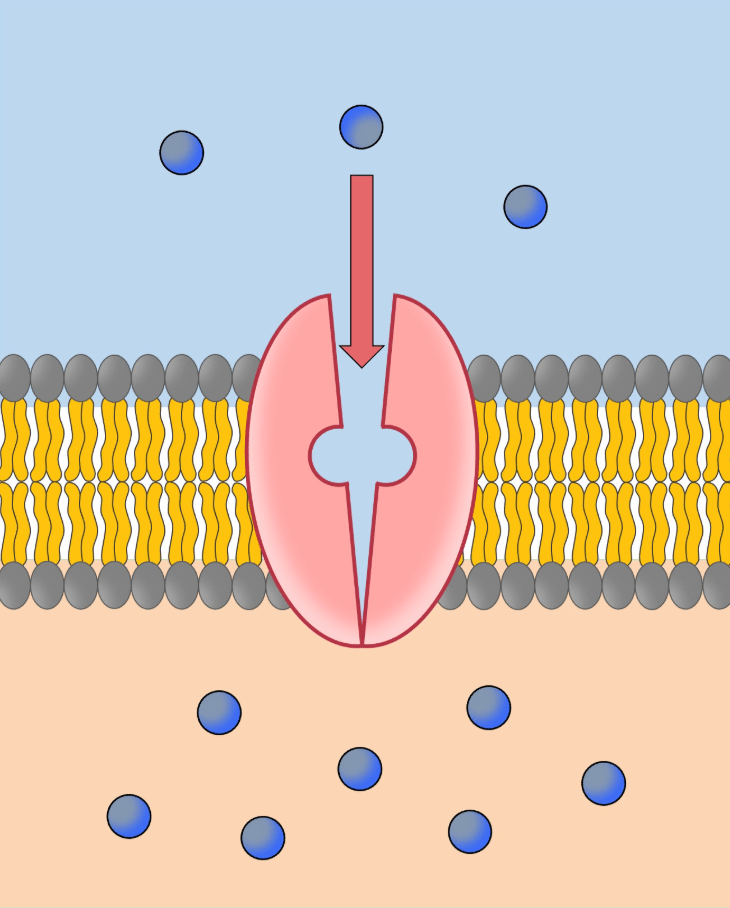
This process requires energy to move molecules from low to high concentration.
5
What is the property of the head of a phosopholipid?
This part of a phospholipid is hydrophilic, meaning it likes water.
5
What do plants need to perform photosynthesis?
Plants need carbon dioxide, water and sunlight.
5
What is the function of this organelle?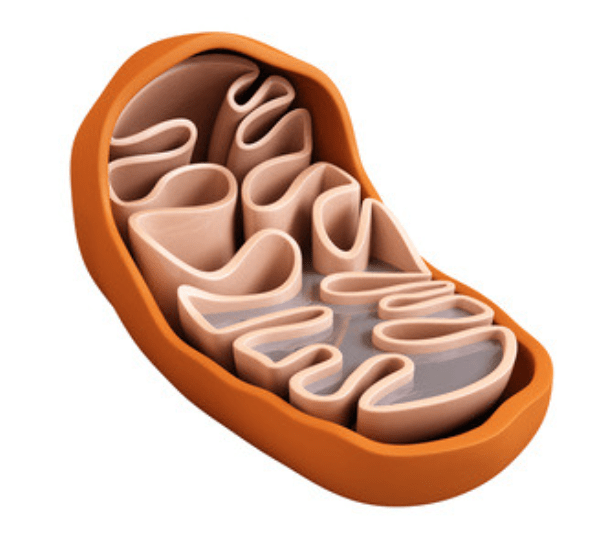
This is a mitochondria, and its job is to produce energy for the cell.