Spring Break Problems
Deadly Arrhythmias amd crazy hearts
Infectious Thursday
Well-rounded Internist
Policy, Professionalism and QI
100
A 42-year-old woman presents with persistent facial erythema involving the cheeks and nose with multiple inflammatory papules and pustules. Physical exam shows no comedones. Topical metronidazole was tried for 3 months with minimal improvement.
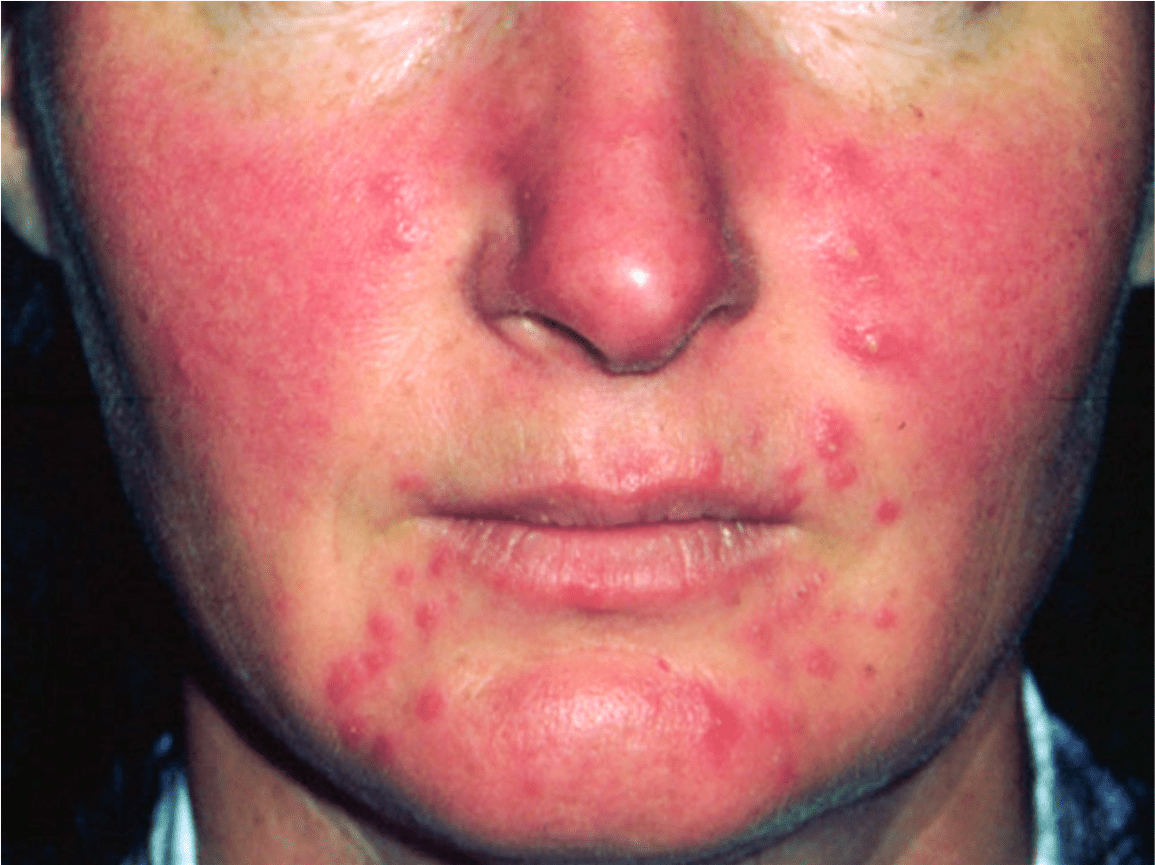
What is the next step in management?
Start Oral doxycycline
100
A 75-year-old man with diabetes, hypertension, and hyperlipidemia presents with 6 hours of intermittent chest pain. His vital signs are stable and physical exam is normal. ECG shows 1.5-mm horizontal ST-segment depression in leads II, III, and aVF. Troponin I is 2.2 ng/mL (markedly elevated).
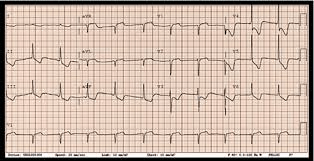
He receives antiplatelet therapy, nitroglycerin, and anticoagulation, with complete resolution of symptoms.
What is the recommended timing for coronary angiography?
Cardiac catheterization within 24 hours (early invasive strategy for NSTEMI).
100
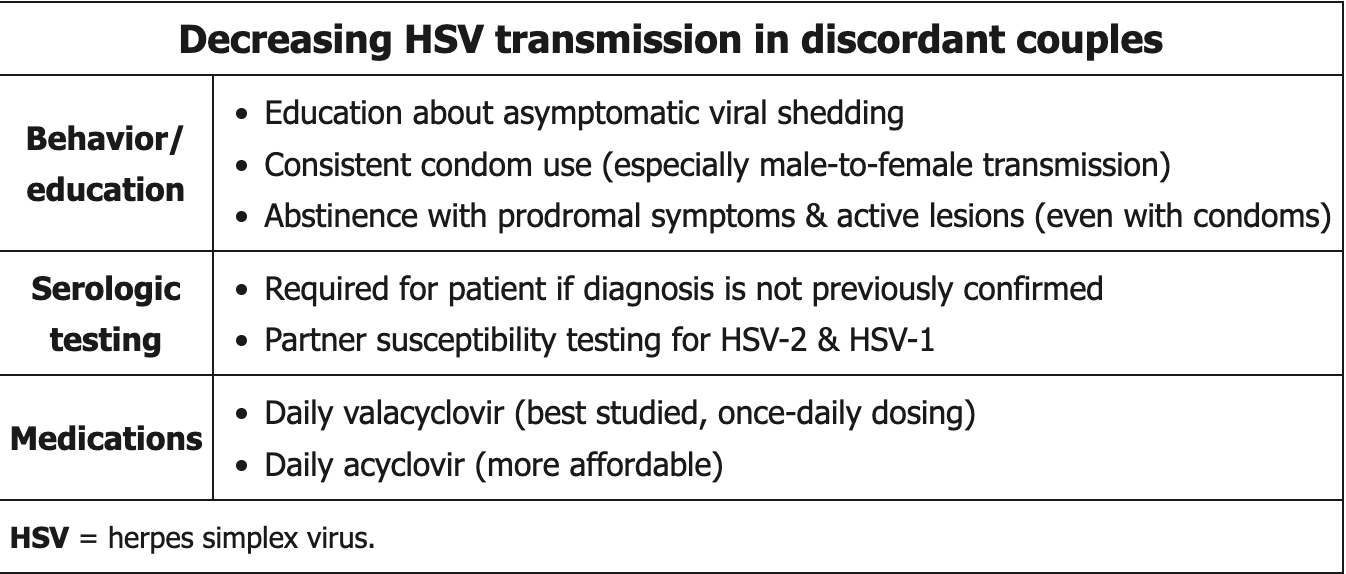
A 28-year-old woman with recurrent genital HSV-2 infections has 3–4 symptomatic outbreaks per year. She currently has no lesions but recently started a relationship with a new male partner who is HSV-seronegative. She wants to know the most effective strategy to reduce the risk of transmitting HSV to her partner.
What management strategy is most effective at reducing HSV transmission in this scenario?
Chronic suppressive antiviral therapy (e.g., daily valacyclovir).
100
A 27-year-old pregnant woman at 25 weeks gestation was recently diagnosed with gestational diabetes mellitus and started on dietary therapy. Despite adherence to diet, her home glucose logs show this:
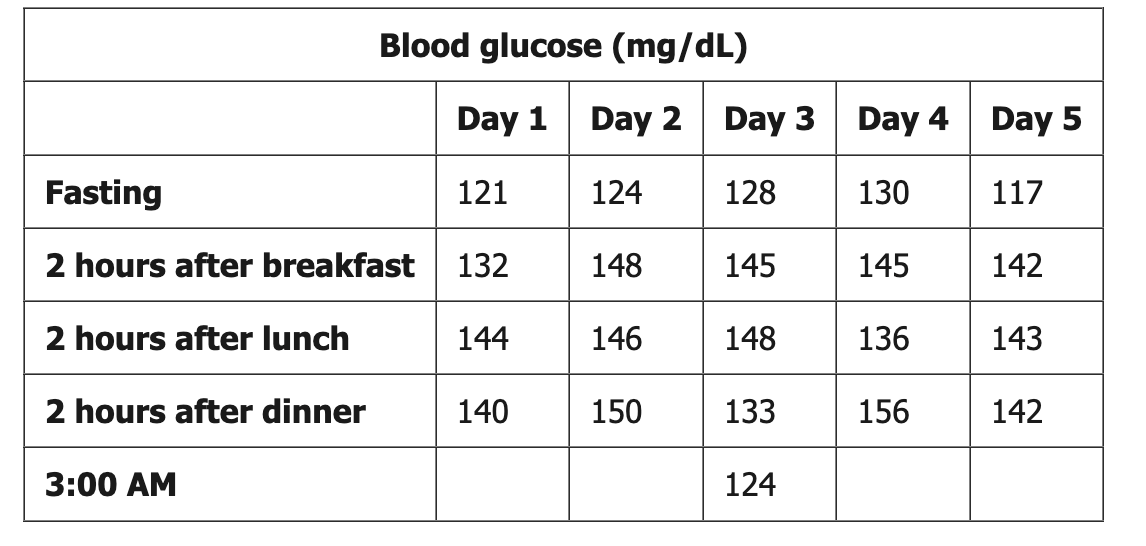
Her pregnancy is otherwise uncomplicated, but she has risk factors for insulin resistance including PCOS.
What is the most appropriate next step in management for gestational diabetes that remains uncontrolled with diet?
Start insulin therapy for gestational DM.
100
According to ACGME duty hour regulations, residents must have a minimum amount of time free of clinical duties between scheduled work periods to reduce fatigue.
What is the minimum recommended time off between shifts for residents?
8 hours off between scheduled duty periods.
200
A 29-year-old man with obesity but no other major medical conditions starts a GLP-1 receptor agonist to lose weight before a summer beach vacation. Over the next 4 months he loses 35 pounds. He later presents worried about diffuse hair shedding noted in the shower and on his pillow. Physical exam shows diffuse thinning without scarring, no patches of alopecia, and a positive hair-pull test. Thyroid function tests are normal.
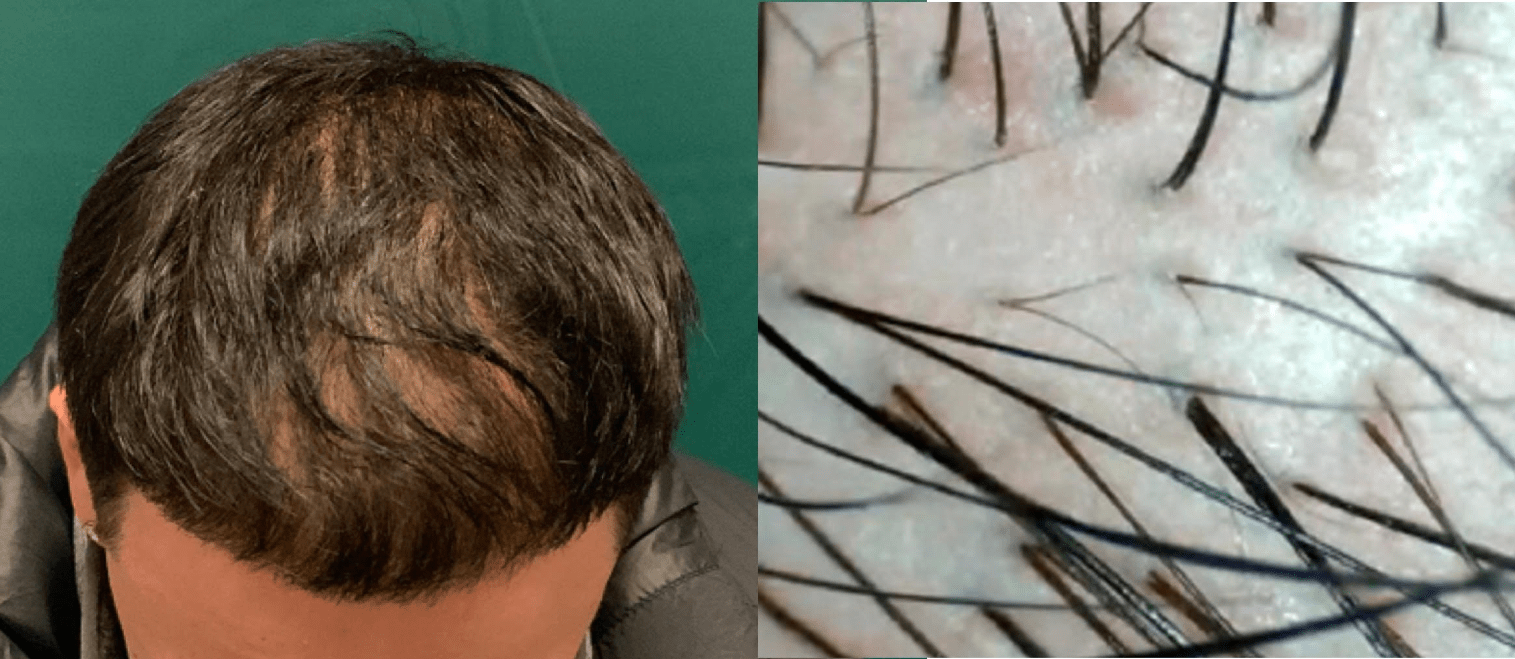
What type of hair loss associated with physiologic stress or rapid weight loss is most likely responsible for this finding?
Telogen effluvium
200
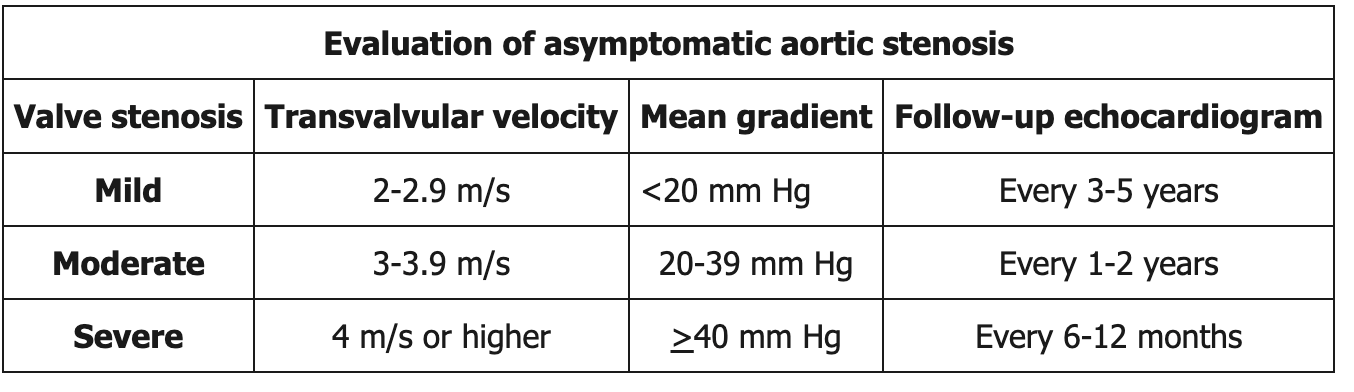
A 64-year-old man is seen for routine follow-up. One year ago, he was diagnosed with mild calcific aortic stenosis on transthoracic echocardiography with a mean gradient of 18 mm Hg and valve area of 1.6 cm². He remains asymptomatic, exercises regularly, and denies chest pain, syncope, or dyspnea.
On exam, there is a 3/6 systolic ejection murmur at the upper sternal border radiating to the carotids. ECG shows left ventricular hypertrophy. Laboratory studies are unremarkable.
For patients with asymptomatic mild aortic stenosis, what is the appropriate clinical and echocardiographic follow-up strategy?
Clinical follow-up in 1 year and repeat transthoracic echocardiogram in 3–5 years.
200
A 43-year-old man with HIV presents with 5 days of fever, cough, and malaise. He has poor dentition and laboratory testing shows leukocytosis. CT scan of the chest reveals multiple bilateral cavitary lung lesions. Blood cultures grow Staphylococcus aureus in 2 of 2 bottles.
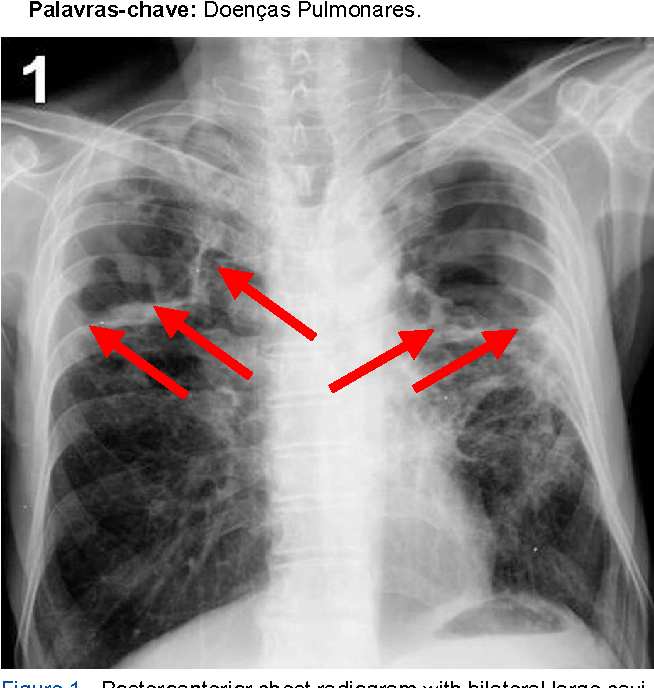
What cardiac valve is most commonly involved in this condition?
Tricuspid valve endocarditis.
200
A 74-year-old man recovering from an ischemic stroke develops right leg swelling, and ultrasound confirms a popliteal deep vein thrombosis (DVT). He is started on therapeutic enoxaparin.
He had been participating in daily physical therapy for post-stroke rehabilitation, and the care team is deciding when it is safe for him to resume mobilization and therapy.
When is it appropriate for patients with acute DVT to resume mobilization after starting anticoagulation?
Within 24 hours after starting therapeutic anticoagulation.
200
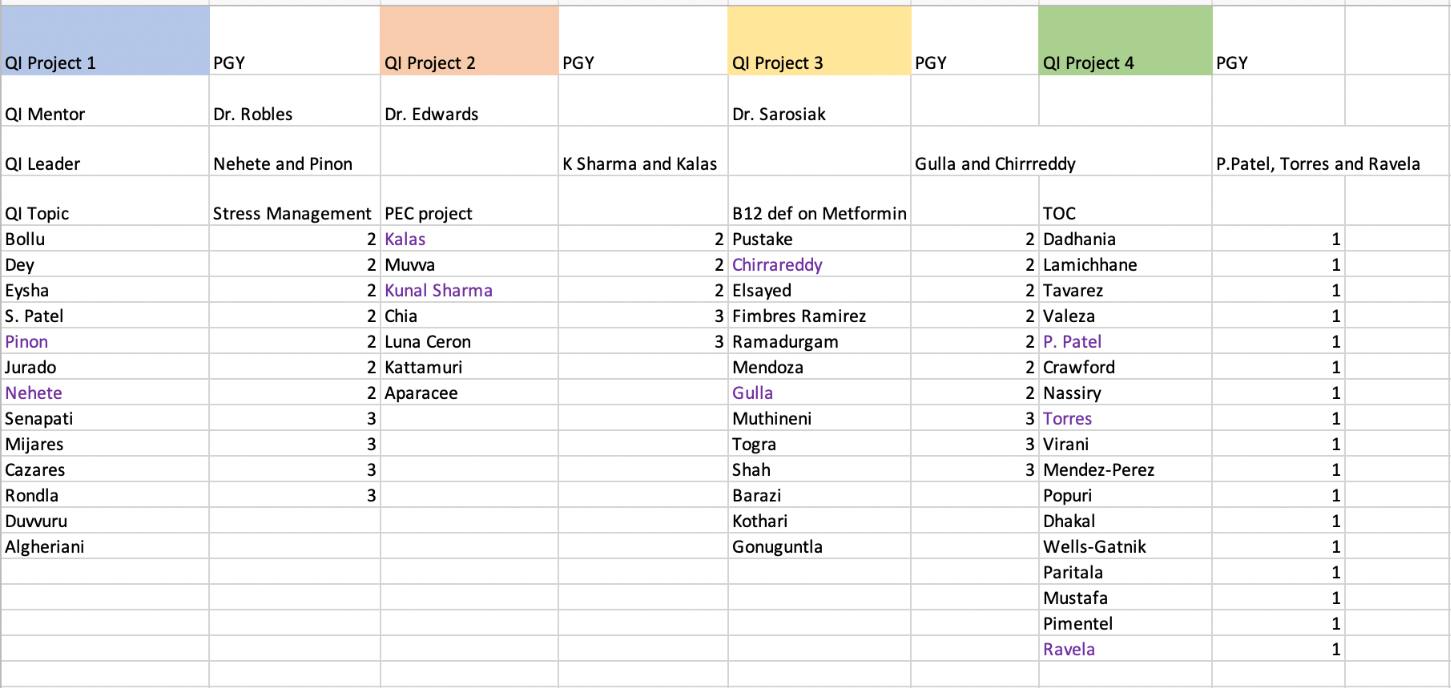
Mention at least 2 QI projects and their QI leaders during this academic year in our institution.
300
A 35-year-old man presents with recurrent spontaneous epistaxis since adolescence. Physical exam reveals this rash on the lips and tongue. His father had similar symptoms. CT chest later reveals pulmonary arteriovenous malformations.
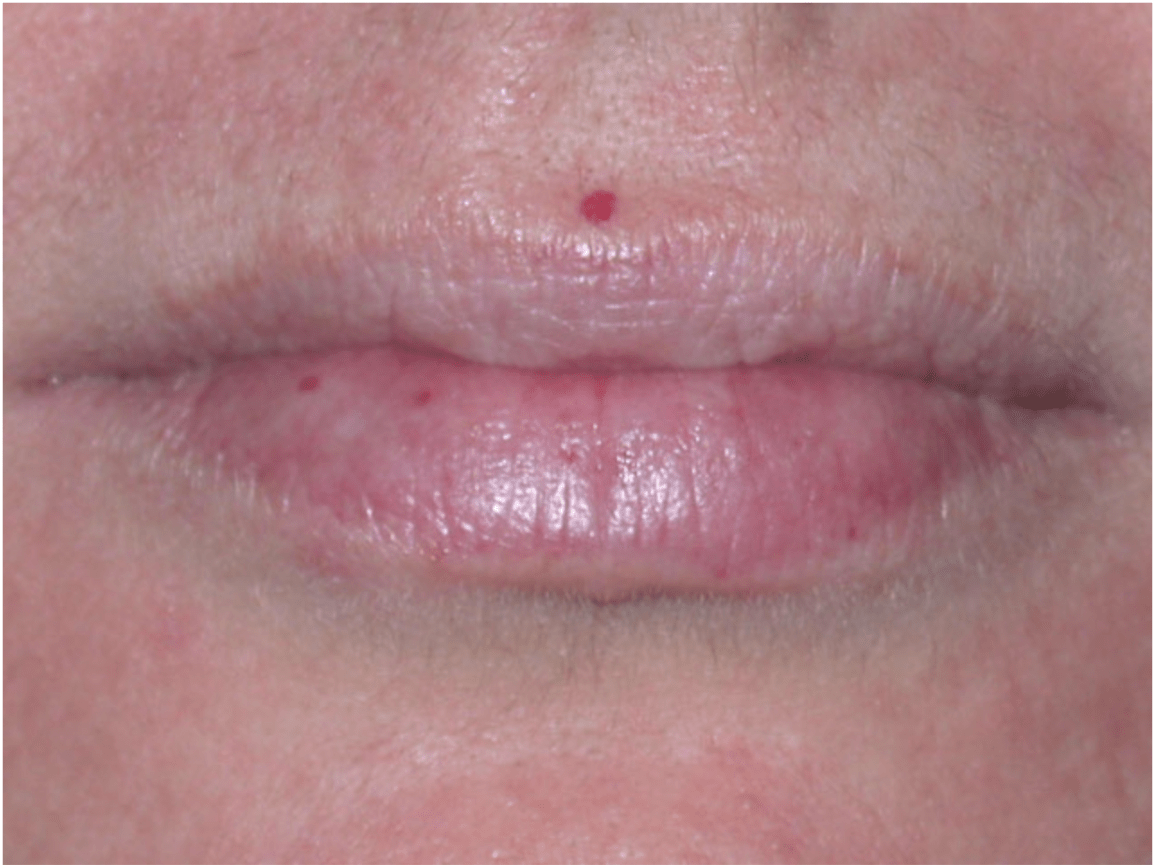
What genetic vascular disorder is most likely responsible for this presentation?
Hereditary hemorrhagic telangiectasia (Osler-Weber-Rendu syndrome)
300
A 47-year-old man presents to the emergency department with lightheadedness and palpitations. He reports having similar episodes since adolescence that usually stop with bearing down.
On arrival his blood pressure is 80/40 mm Hg and heart rate is 150/min. Lungs are clear and no murmurs are heard. ECG below.
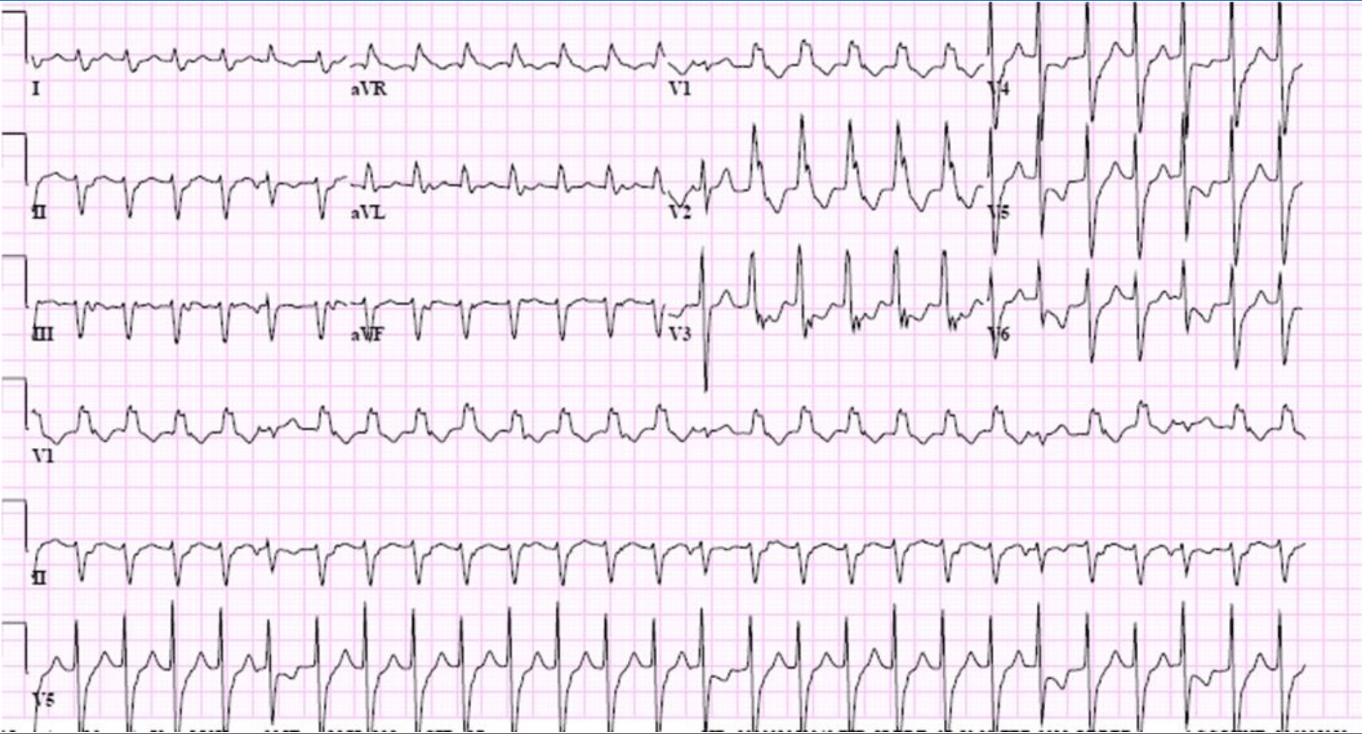
What is the best treatment for this patient?
Synchronized cardioversion (with IV sedation if possible).
300
A 55-year-old man presents with an intensely pruritic rash in the axilla that has been progressively expanding for two weeks. He used topical triamcinolone without improvement. Examination reveals an annular erythematous plaque with central clearing and a scaly, raised border.
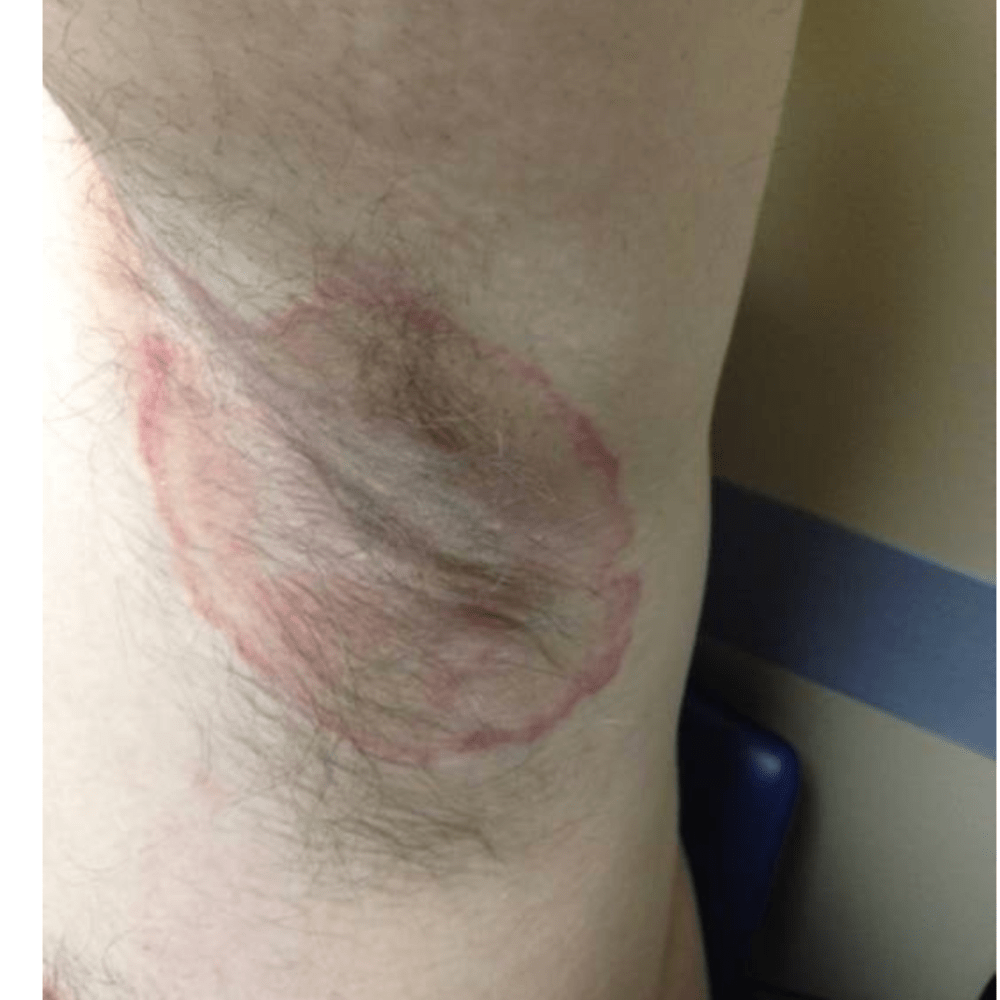 What is the most likely diagnosis?
Tinea corporis.
300
A 25-year-old woman with newly diagnosed HIV infection is receiving antiretroviral therapy and recently underwent cervical conization for high-grade dysplasia. She received one dose of the HPV vaccine at age 15 but did not complete the series. She asks whether she should complete HPV vaccination.
Which of the following would be a contraindication to HPV vaccination in this patient?
There is no contraindication.
300
A resident develops acute influenza with fever and myalgias and notifies the chief resident that they will be unable to work. According to residency policy, the absence must be documented and reported to ensure appropriate coverage and compliance with institutional policy.
What documentation is typically required to validate the sick leave for residency records?
A physician’s note and the official sick leave form.
400
A 72-year-old man with extensive sun exposure presents with a slowly enlarging lesion on the helix of his ear. The lesion is firm, erythematous, and hyperkeratotic with a scaly surface and occasionally bleeds when touched. He reports progressive growth over several months. On exam, the lesion appears indurated with a crusted center.\
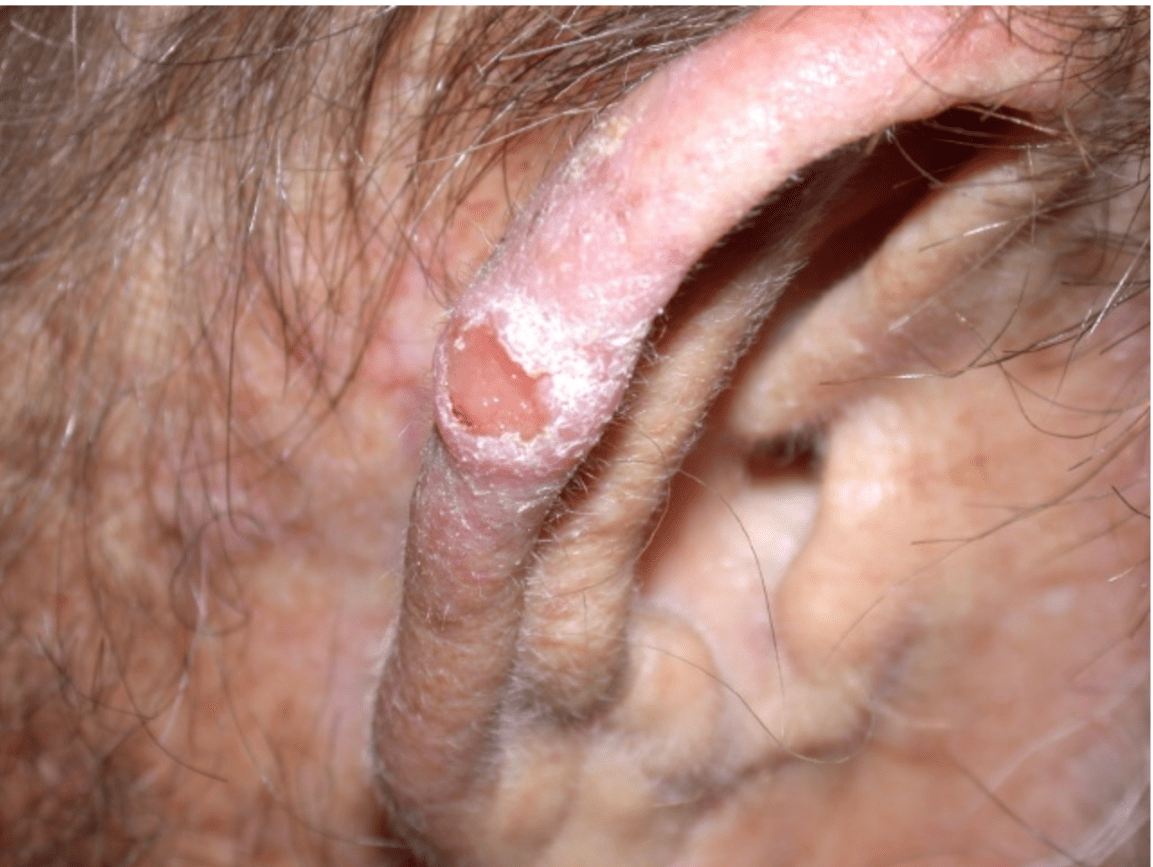
What is the most likely diagnosis?
Cutaneous squamous cell carcinoma (SCC)
400
A 34-year-old man with type 1 diabetes presents with 12 hours of retrosternal chest pain that worsens with deep inspiration and makes it difficult for him to lie comfortably. He has low-grade fever and mild tachycardia. Cardiac exam reveals no murmurs. EKG below.
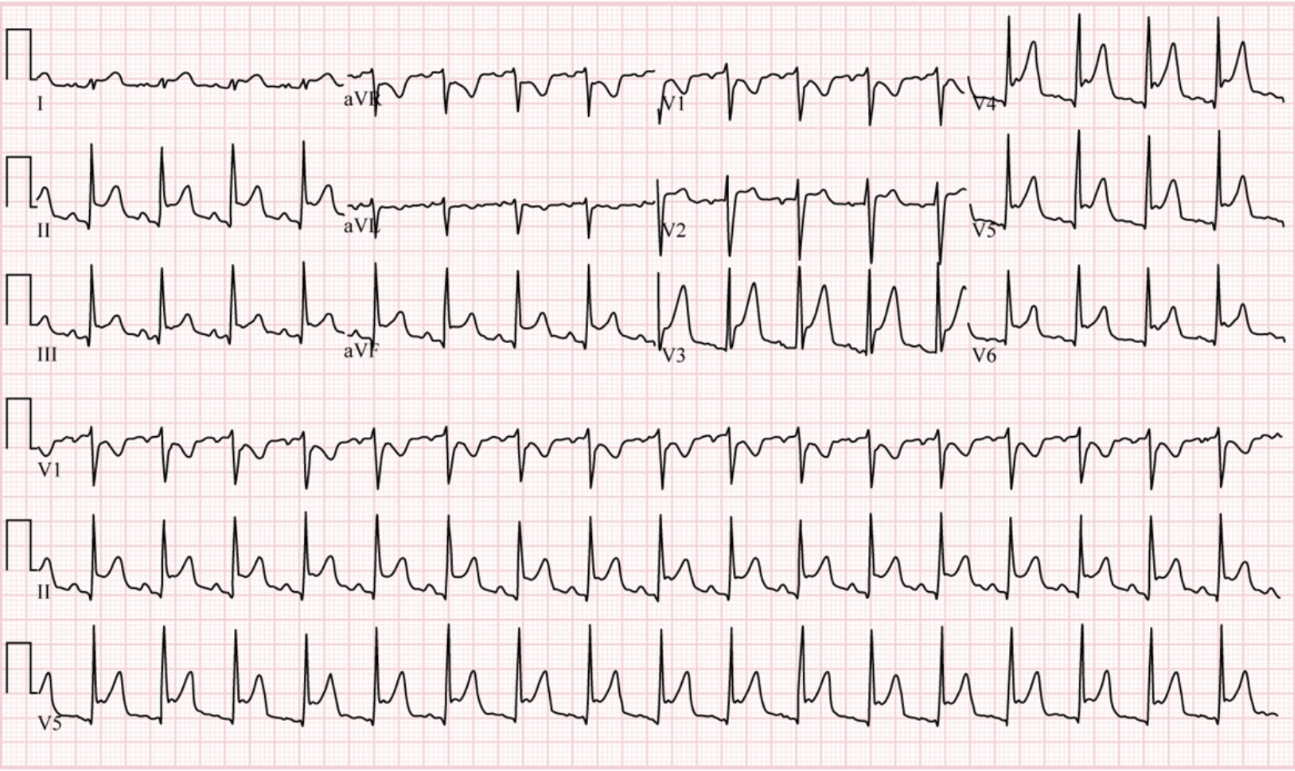
What ECG change would most likely be seen one week later?
Diffuse T-wave inversion.
400
A 32-year-old man presents with 3 days of fever, headache, and myalgias after returning from a camping trip in North Carolina. Two days later he develops a maculopapular rash that began on the wrists and ankles and spread to the palms and soles. He also reports nausea and malaise.
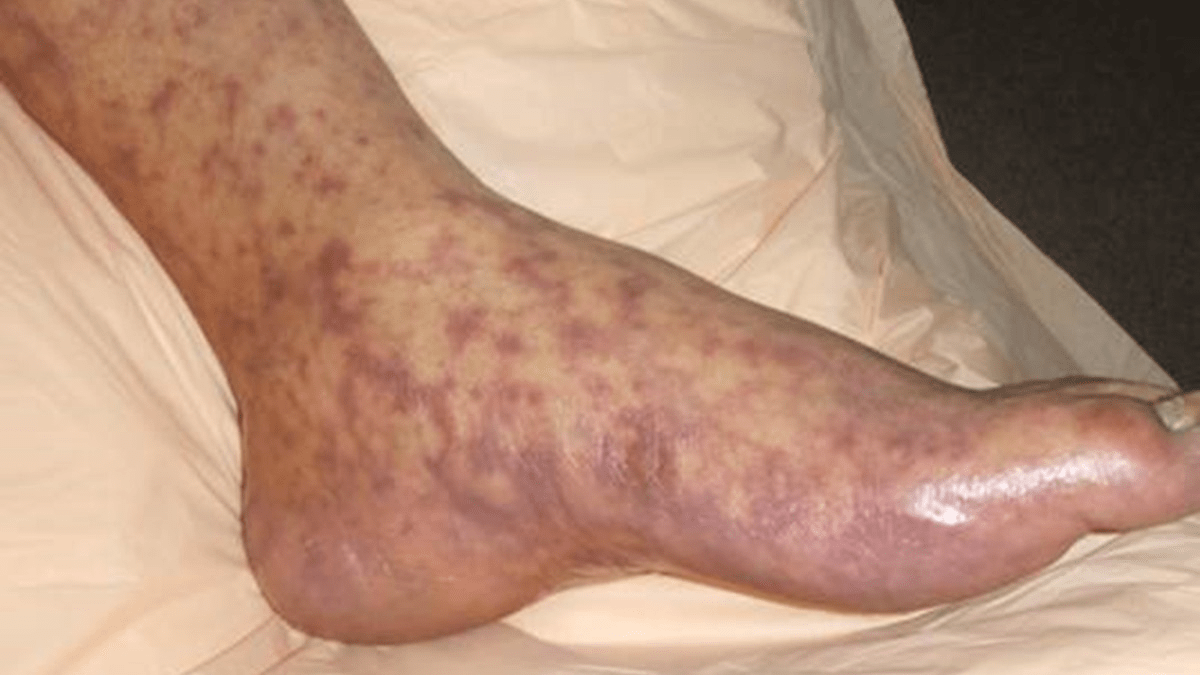
What is the first-line treatment that should be started immediately, even before confirmatory testing?
Doxycycline for Rocky Mountain spotted fever
400
A 50-year-old man presents with chronic swelling along the jaw and neck that has slowly enlarged over several weeks. The lesion eventually forms draining sinus tracts that produce thick yellow discharge. He has poor dental hygiene and recently had a dental extraction.
Microscopy of the drainage shows yellow “sulfur granules.”
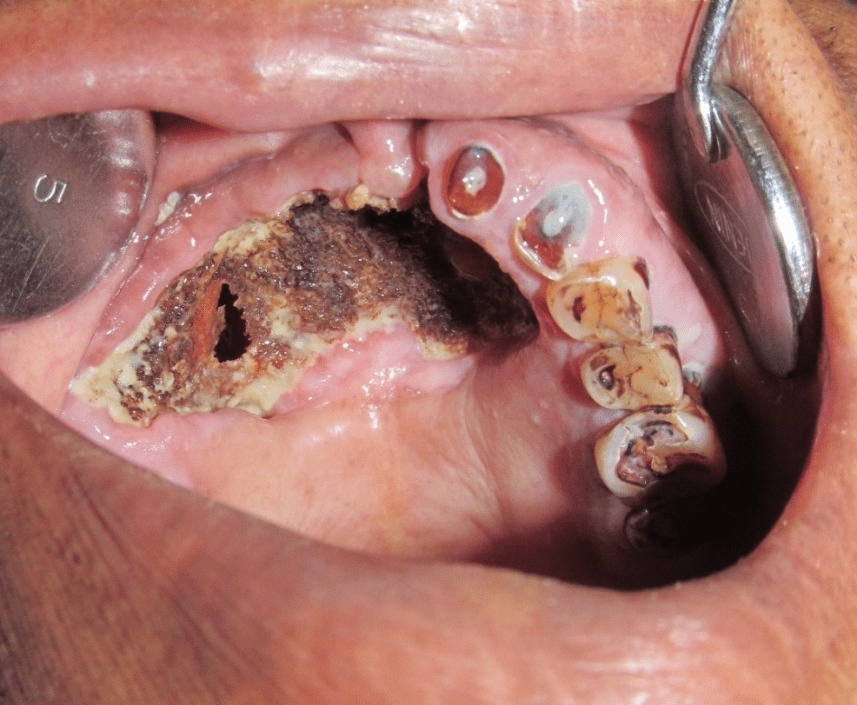
What is the most likely diagnosis?
Actinomycosis (Actinomyces israelii infection).
400
A resident on a long shift develops significant fatigue that may impair clinical judgment. He feels hopeless and burnout. You found him alone in the cafeteria and he asks for advise.
What should the resident do according to fatigue mitigation policy?
Notify admin chief/program leadership and to request backup coverage.
500
A patient presents with annular erythematous plaques with trailing scale on the trunk that migrate over days. The rash has a wood-grain appearance and is associated with an underlying malignancy.
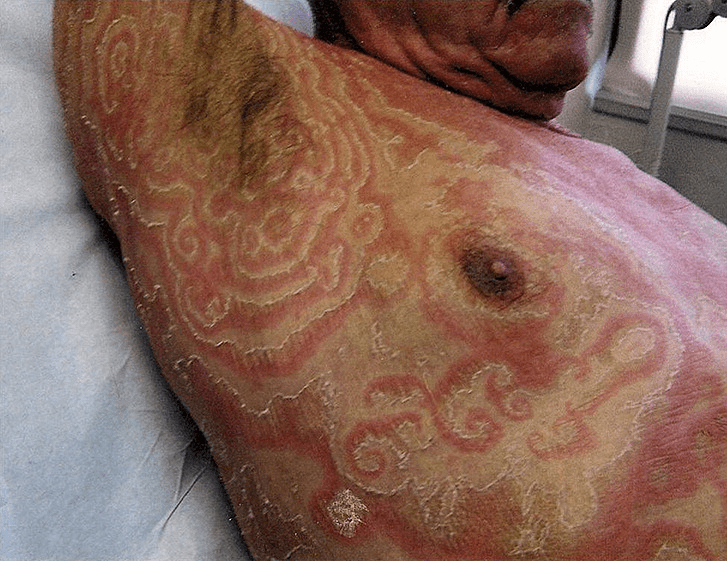
What paraneoplastic dermatologic condition is this?
Erythema gyratum repens
500
A 26-year-old man presents for a pre-employment physical. He is very tall and thin (190 cm) with long extremities and mild scoliosis. On cardiac exam, a faint early diastolic murmur is heard at the second right intercostal space. Physical exam of the hands below.
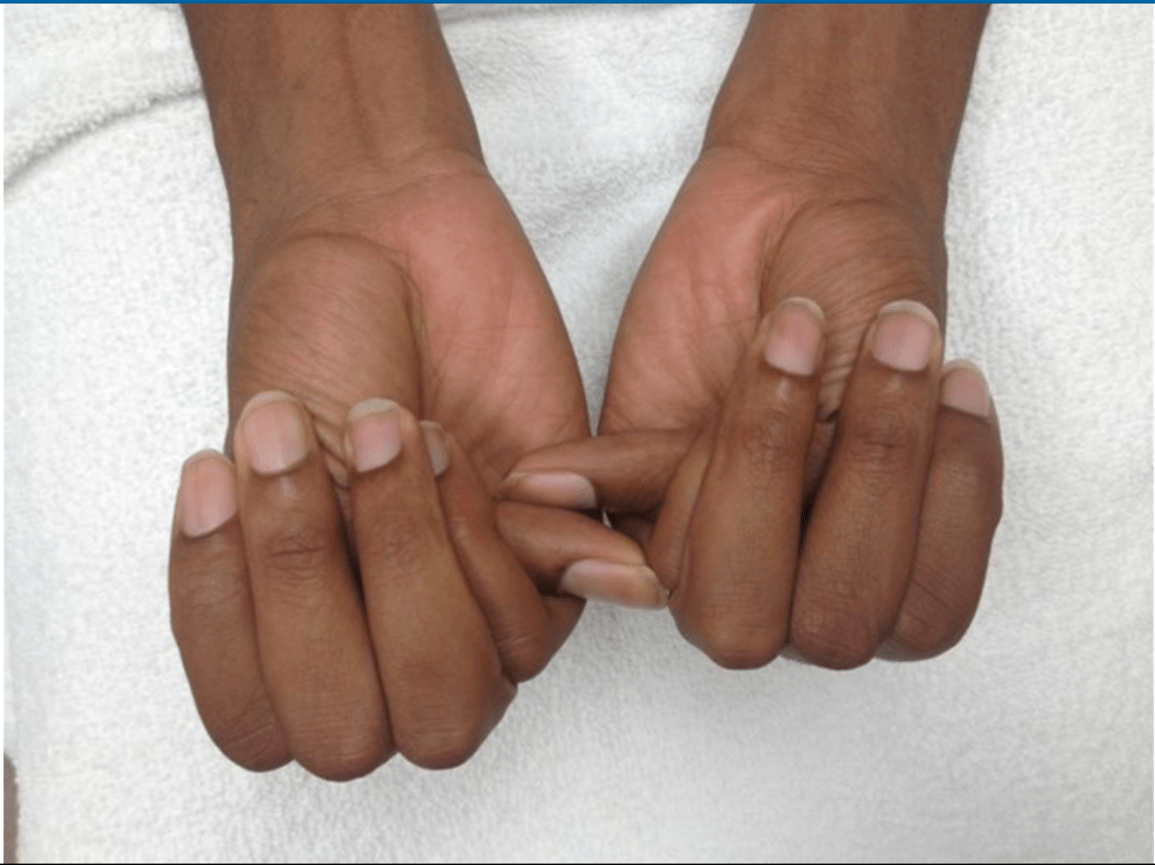
What is the possible underlying disease of this patient?
Marfan syndrome, which is associated with aortic root dilation and aortic regurgitation.
500
A 62-year-old man with alcoholic cirrhosis presents with fever, watery diarrhea, confusion, and septic shock shortly after returning from a trip to Mexico. He reports eating raw oysters and shellfish two days ago. Examination reveals multiple bullous skin lesions, hypotension, and leukocytosis.
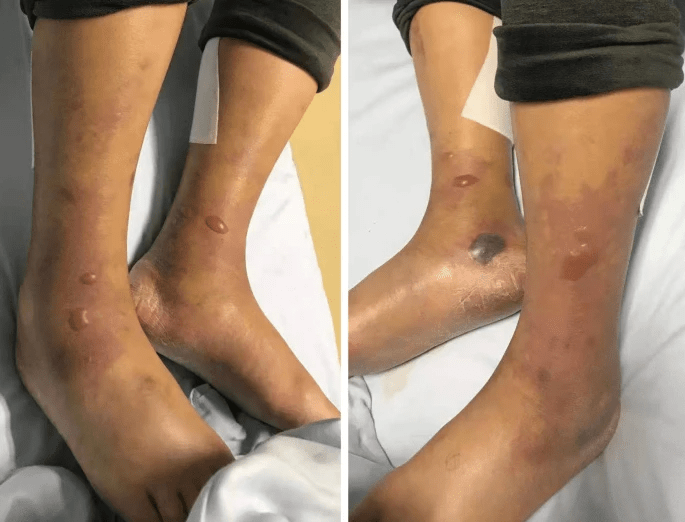
Which organism is the most likely causal agent of this condition?
Vibrio vulnificus.
500
A 19-year-old man presents with fever, sore throat, and neck pain one week after a pharyngitis that initially seemed to improve. He now has swelling and tenderness along the sternocleidomastoid muscle and develops shortness of breath. CT imaging reveals thrombosis of the internal jugular vein, and chest imaging shows multiple septic pulmonary emboli.
This condition is most commonly caused by Fusobacterium necrophorum.
What is the name of this syndrome?
Lemierre syndrome.
500
A randomized controlled trial reports that a new drug reduces mortality from 10% in the control group to 6% in the treatment group.
What statistical measure represents the number of patients who must be treated to prevent one additional death?
Number Needed to Treat (NNT)