Sourcing
Contextualization
Close Reading
Corroboration
Classroom Expectations
100
Our source consists of our four W's. What are those four W's?
Who
When
Where
Why
100
What is context?
The surrounding circumstances, information, or background to a specific event or person in history.
100
How does close reading help us understand the text?
By breaking down key words, evidence, and context we can better understand the meaning of the source.
100
What is corroboration?
Comparing two or more sources to see if they give the same or different information
100
What are the three ways I can call on you in class?
Warm calling, cold calling, taking hands
200
What are the two qualities a source must have for it to be primary?
Created at the time
By someone who witnessed or experienced the event
200
When we look for context in a source, we look for four things. What are one of those four things?
What was happening at the time?
What events led to this?
What beliefs/ideas were common?
How does the time period help us understand the source?
200
When we find the source of the text, how do we annotate it?
Circle
200
Can bias affect how someone sees/reports an event in history?
Yes
200
When you turn something in during class, where do you put it?
The class file
300
Is a newspaper primary or secondary?
Secondary because it was created to describe a past event by people who did not experience or witness the events.
300
How do we practice historical empathy?
We put ourselves in the shoes of someone from history and examine their context to determine why they made certain decisions.
300
What is evidence?
Information found from a source that helps support an idea or answer.
300
What is perspective?
The way a person views an event based on their experiences, beliefs, or background
300
Where do your guided notes packets go at the end of the class?
Folder and then in the class bin
400
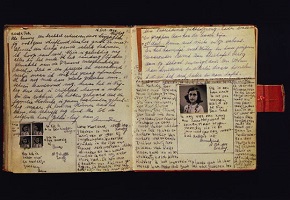
Is a diary a primary or a secondary source?
Primary because it was created at the time by the person who experienced or witnessed the events described.
400
What were some events going on at the time that Carlotta Walls described in the article about her?
The Civil Rights Movement, segregation, Brown v. Board, integration, etc.
400
When we see something in the article that confuses us what do we do?
We put a question mark by it
400
How many sources do we have to have in order to corroborate effectively?
More than 1
400
How does conduct and behavior expectations work in this class?
3 warning system
500
Is a newspaper created in 1776 primary or secondary?
Primary because it was created at the time being studied.
500
What is the process by which students collect context about a source called?
Contextualization
500
What is one of the three ways we can write notes/annotate?
1. Ask a question
2. Make an observation
3. Make an inference
500
How can we tell if information is reliable?
If more than one source says something happened, it is generally reliable information
500
What are our 3 class rules?
Be Respectful
Responsible
Ready to Learn