Study of Life
Atoms, Ions, and Molecules
Properties of Water
Acids and Bases
Macromolecules
100
All organisms are made up of one or more of these - the building blocks of life
What are cells
100
This type of pure substance is only made up of the same type of atoms
What is an element
100
A characteristic of molecules (like water) to have regions that are slightly positive or slightly negative in charge, the result of unequal sharing of electrons
What is polarity
100
On the pH scale, this number represents a neutral solution, like pure water
7
100
The four major macromolecules all follow this same kind of structure, essentially a chain of smaller building blocks called monomers
What is a polymer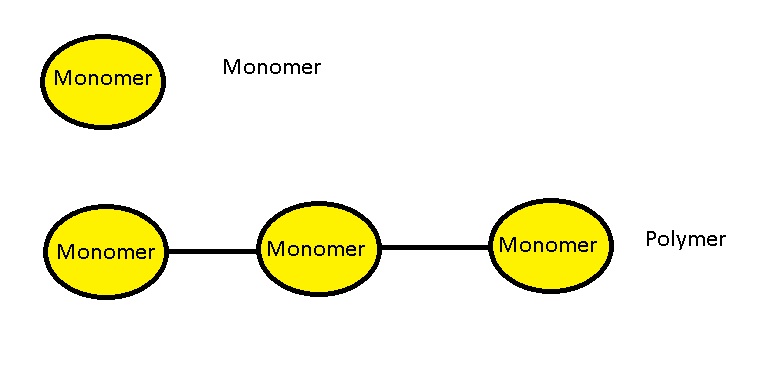
200
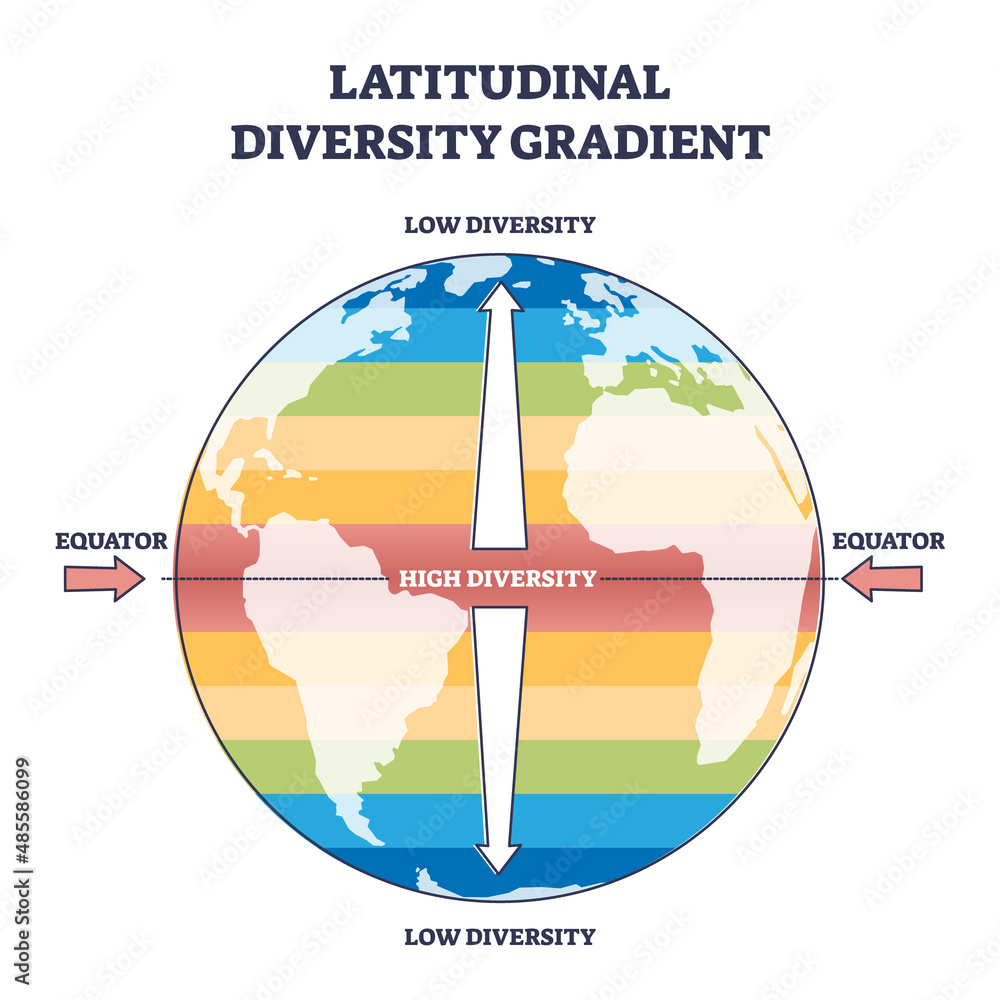
The Earth has the highest level of this in regions closes to its Equator
What is Biodiversity
200
This type of substance is made up of 2 or more different types of atoms
What is a compound
200
When water molecules are nearby one another, they create these very weak attractions to one another. These contribute to many of water's unique properties
What are hydrogen bonds
200
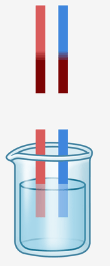 Which RANGE of pH readings would be expected for this mystery substance?
pH 0-6 (its an acid)
200
The monomers of carbohydrates
What are simple sugars or monosaccharides
300
All living things detect and respond to these physical factors of the environment around them (such as light, temperature, and touch)
What are stimuli
300
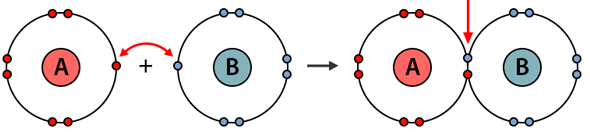 Atom A and atom B share their electrons with one another, creating a bond. What type of bond is it?
Covalent bond
300
Water's ability to attract to other water molecules is called this, and is reponsible for phenomena like surface tension
What is cohesion
300
This process takes place when an acid and a base are mixed together, creating water
Neutralization
300
A triglyceride is a type of lipid that has not just one, but three of these monomers
What are fatty acids
400
This term refers to all the chemical processes that happen within a living organism to build up or break down materials
What is metabolism
400
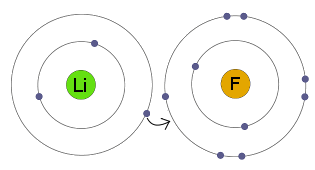 This image is showing Lithium (Li) and Fluorine (F) held together in an Ionic bond, where the arrow in the diagram represents THIS
What is Lithium donating an electron to Fluorine
400
This property of water is the reason why a metal tea kettle gets hotter faster than the water inside it
What is high specific heat
400
What would be the pH reading of the STRONGEST acid?
pH 0
400
Ribosomes chain several of these monomers together to make a protein
What are amino acids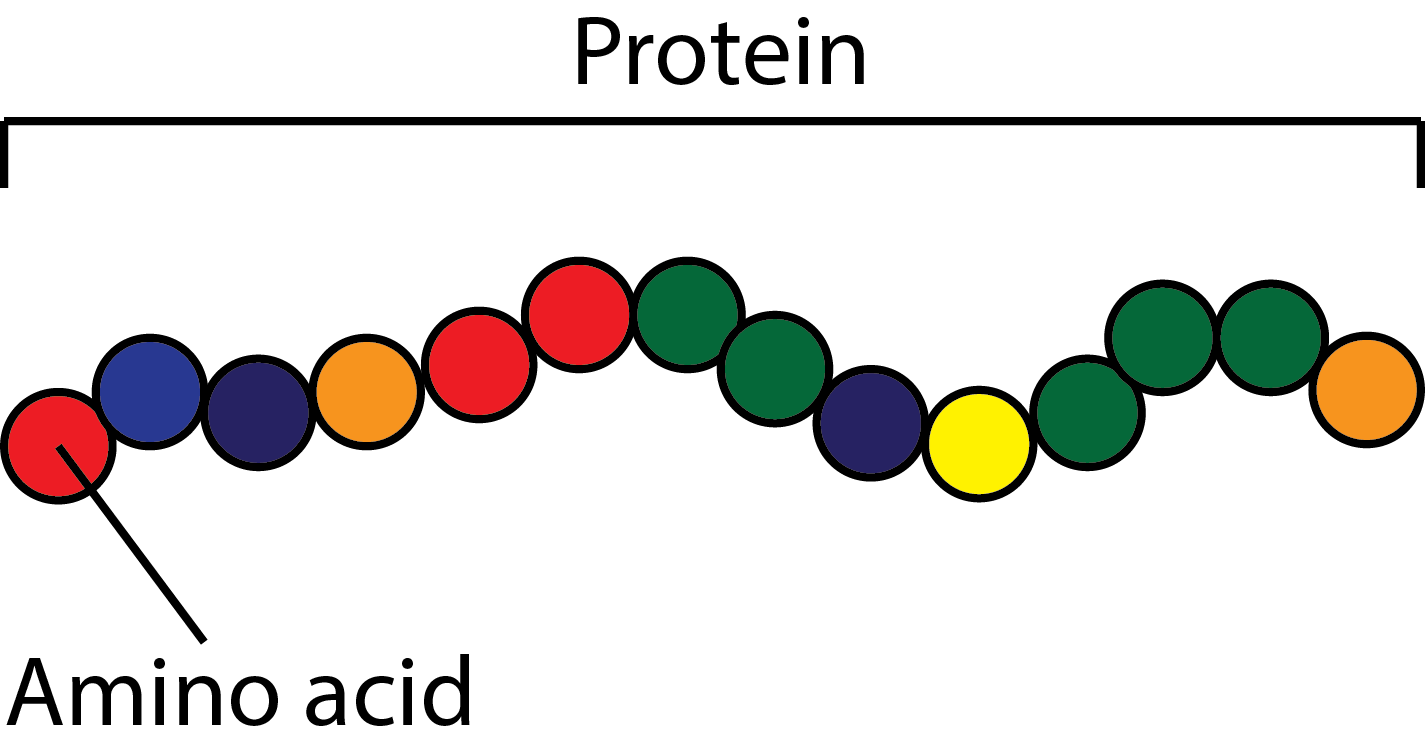
500
All living organisms have the ability to reproduce - that means they are able to pass THIS on to their offspring
What is DNA or genetic material
500
A positive ion is formed when an atom does THIS with one or more of its electrons
what is lose or donate
500
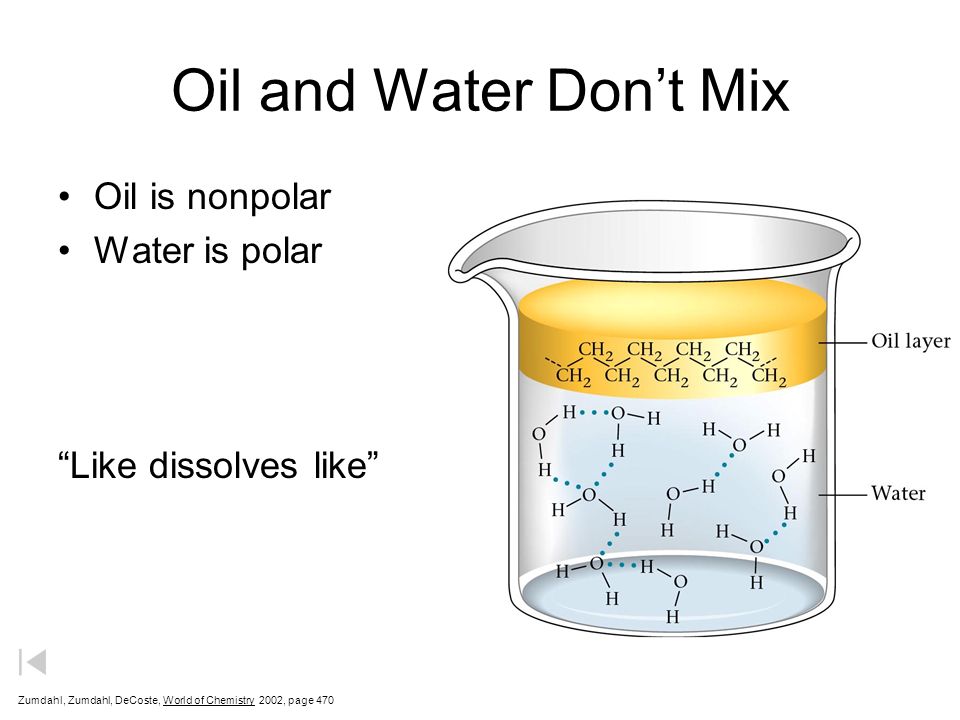
Water is often referred to as a universal solvent, but is NOT able to dissolve what kinds of substances?
What are non-polar substances
500
When water is used as a solvent, it dissociates/separates into what two possible ions?
Hydrogen ion (H+) and Hydroxide ion (OH-)
500
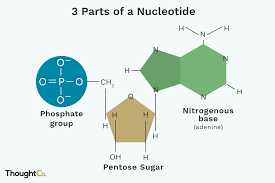
Nucleotides are made up a sugar, a nitrogen base, and this component... in ATP, there are three of them!
What is a phosphate (or phosphate group)