Cells
The Nervous System
Life Processes
Five Senses
The Five Kingdoms
100
What all living things are made out of
Cells
100
The special name for this
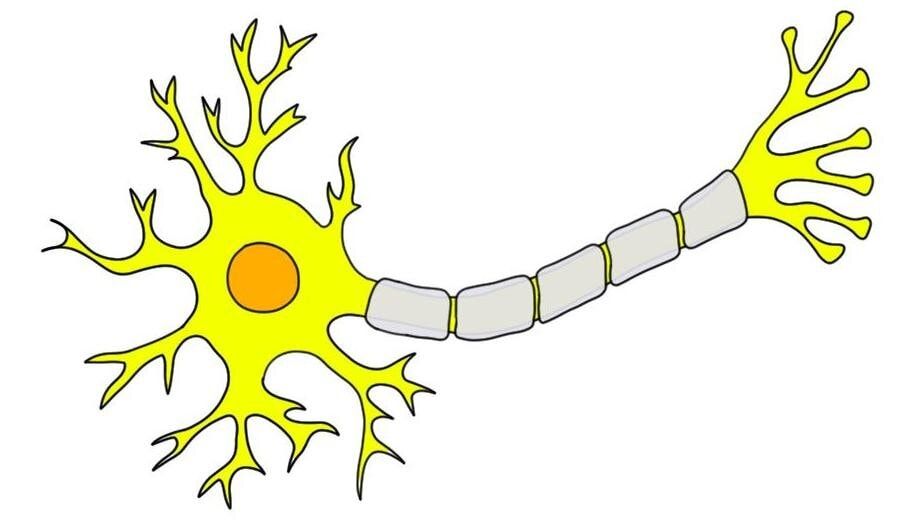
Neuron
100
Animals that just eat plants
Herbivore
100
The sense we use our nose for
Smell
100
They are multicellular, eat food, and can move around
Animals
200
The 2 different types of cells
Animal and Plant cells
200
The system that interprets information and sends orders as a response
Nervous system
200
Animals that eat both plants and meat
Omnivore
200
The sense do we use our ears for
Hearing
200
They are multicellular, make their own food, and can not move around
Plants
300
Part of the cell that controls what happens in the cell
Nucleus
300
The 3 parts of a neuron
Body, dendrites, axon
300
Ability to detect and respond to changes in environment
Sensitivity
300
The small bumps on our tongue that help us taste
Taste buds
300
Either multicellular or unicellular, eat food, can not move, contains mushrooms
Fungi
400
Living things made up of only 1 cell
Unicellular
400
The 2 parts of the central nervous system
Brain and spinal cord
400
Process to produce offspring
Reporoduction
400
The part of our skin that sends information to our brain through nerves
Receptors
400
They are unicellular, the smallest of all living things, contain germs that make us sick
Bacteria
500
2 parts of a cell that are only found in plant cells
Cell wall and chloroplast
500
The 5 sense organs
Eyes, ears, mouth, nose, hands
500
How plants make their own food
Photosynthesis
500
Name 1 of the 5 parts of an eye that light passes through
Cornea, pupil, lens, retina, optic nerve
500
Contains Protozoa and Algae, they live in water, can be unicellular or multicellular
Protoctists