A
B
C
D
E
100
A child groups apples, bananas, and oranges together as “fruit.”
Concept
100
When thinking of a chair, Maria imagines a wooden desk chair rather than a bean bag.
Prototype
100
Lena expects a classroom to have desks, a teacher, and a whiteboard, so she feels confused when class is held outside with no chairs.
Schema
100
During a test, Carl ignores his phone notifications, plans his time carefully, and checks his answers before submitting.
Executive Functions
100
After learning cats are different from dogs, the toddler creates a new category.
Accommodation
200
Tiana follows the exact step-by-step formula her teacher taught her, knowing it will always work if done correctly.
Algorithm
200
After watching a scary movie, every small noise in the house makes Ethan think someone is breaking in.
Priming
200
Running late, Marcus chooses the fastest-looking line at the cafeteria instead of calculating which will actually move quickest.
Heuristic
200
students are more likely to buy lunch when it’s advertised as “90% fat free” rather than “10% fat.”
Framing
200
After flipping five heads in a row, Mia is certain the next coin toss must be tails.
Gambler’s Fallacy
300
Needing a screwdriver, Ana can’t imagine using a coin instead.
Functional Fixedness
300
When asked how to use a paperclip, Sofia lists 20 different possibilities.
Divergent Thinking
300
A student keeps solving math problems using the same old strategy even though a new method would be easier.
Mental Set
300
After seeing several news stories about plane crashes, Ava believes flying is more dangerous than driving, even though statistics show the opposite.
Availability Heuristic
300
Even though the team is losing badly, fans keep watching because they already paid for tickets.
Sunk-Cost Fallacy
400
After brainstorming, he selects the single best answer.
Convergent Thinking
400
For an art project, Amir combines recycled materials, lights, and music to design something completely original.
Creativity
400
Because a quiet student wears glasses and loves books, classmates assume she must be in the debate club rather than on the basketball team.
Representativeness Heuristic
400
Later, the child learns whales breathe air and updates his thinking to create a new category called “mammals.”
Accommodation
400
After learning that whales live in water, a child calls them “fish” because they fit into his existing “things that swim” category.
Assimilation
500
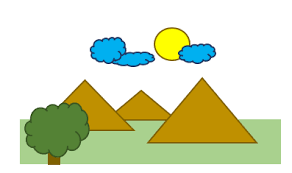
Interposition
500
Two identical lockers are down the hall; the one that appears smaller is judged as farther away.
Relative Size
500
Your ability to see the world in three dimensions and judge distance when crossing the street.
Depth Perception
500
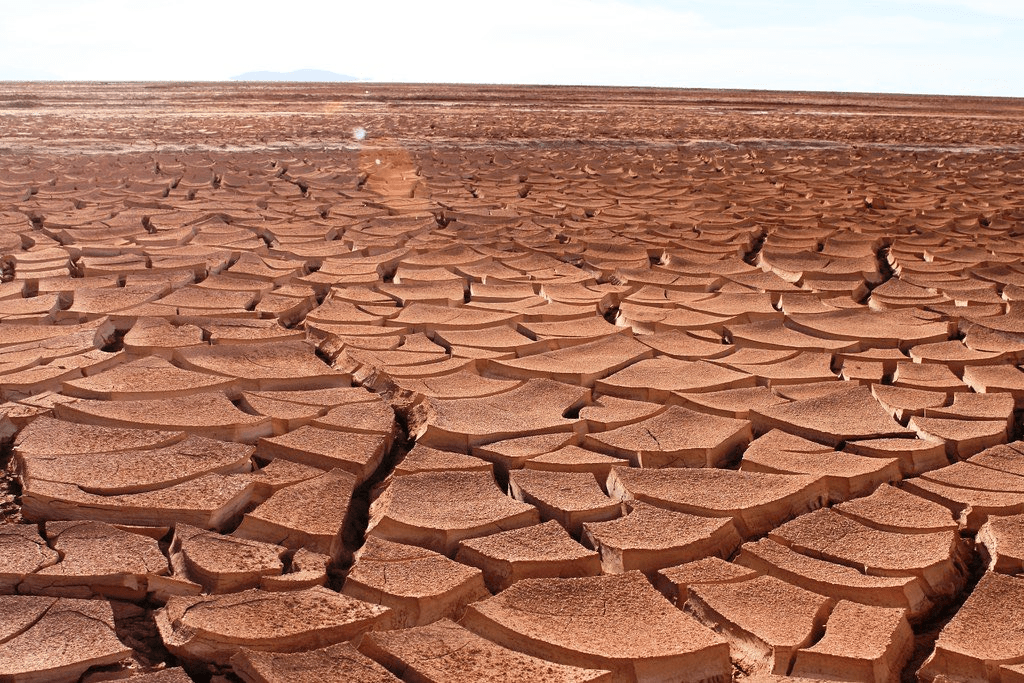
Textured Gradient
500
Even as a car drives farther away and looks smaller, you still know it hasn’t actually shrunk.
Perceptual Constancy