Matter
Atomic Structure
Physical vs. Chemical
Periodic Table
Solutions
100
Define matter.
Anything that takes up space and has mass.
100
Name three subatomic particles that make up all atoms.
Protons, Neutrons, and Electrons
100
What's the difference between a physical and chemical change?
Physical change only changes the physical appearance of matter. Chemical change creates a new substance, changing its chemical make-up.
100
What does each chemical symbol represent on the periodic table? (i.e. Na, He, O)
The Element's Name
100
What is a mixture?
A substance made by mixing other substances together.
200
What is all matter made up of?
Atoms
200
What two particles make up the nucleus of an atom?
Protons and Neutrons
200
What type of change is burning a piece of paper?
Chemical
200
What does each atomic number represent on the periodic table?
The number of protons an atom contains.
200
Are mixtures an example of a physical change or chemical change?
Physical change. That's why mixtures can be separated. They are not chemically bonded.
300
What are the three states of matter?
Solid
Liquid
Gas
300
What particle of an atom has virtually no mass?
Electron
300
What type of change is dissolving salt into water?
Physical
300
What does each atomic mass represent on the period table?
The average mass of a typical atom. The number of protons added to the number of neutrons. (Electrons are so small, they barely have mass.)
300
What is the difference between a heterogenous and homogenous mixture? Give an example of each.
A heterogeneous mixtures is not mixed uniformly, while homogenous mixtures is mixed uniformly. For example, trail mix is a heterogenous mixture and lemonade is a homogenous mixture.
400
Which states of matter take the shape of its container?
Liquid and Gases
400
Which particle of an atom is negatively charged? Which particle is positively charged? Which particle has no charge (neutral charge)?
Electron
Proton
Neutron
400
What are some clues that a chemical change has taken place?
Change in color, smell, or temperature.
400
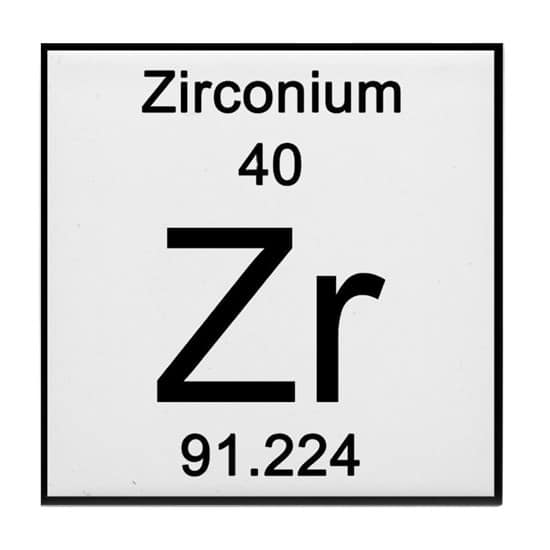 Determine the number of protons, neutrons, and electrons in Zirconium.
Protons: 40
Neutrons: 51
Electrons: 40
400
What is a solution? Give an example.
A solution is a special type of homogenous mixture where one substance is dissolved in another substance. For example, salt water.
500
Describe the particle nature of solids, liquids, and gases.
Gases: particles are spread out and moving around alot
Liquids: particles are near each other, but not uniform. They are moving around, but not as much as a gas.
Solids: particles are tightly packed in a uniform way, they are not moving freely, but they vibrate in place
500
What do you call the electrons on the outer shell of an atom?
Valence electrons
500
When matter changes states, is that an example of a physical or chemical change?
Physical
500
Determine the number of protons, neutrons, and electrons in Mercury. 
Protons: 80
Neutrons: 121
Electrons: 80
500
Explain the steps to separating the following mixture:
A mixture of sand, rocks, salt, and water.
First, you can use a sieve to separate the rocks from the sand, salt, and water. After, you use a filter to separate the sand from the saltwater. Lastly, you can boil or evaporate the water to separate the salt and water.