Miscellaneous Nerdy Things
Element, Compound or Mixture?
Natural vs Synthetic Materials
Observation, Inference or Prediction?
Chemical Reactions
Solubility Graphs
100
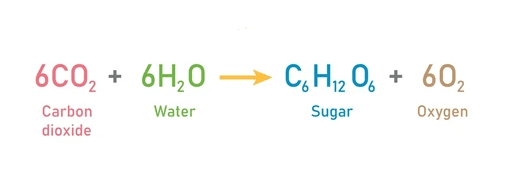
What are the reactants?
Carbon dioxide, water
100
Francium (Fr), Gold (Au), Tin (Sn)
Elements
100
Synthetic resources are ________________.
Man-made/made by humans
100
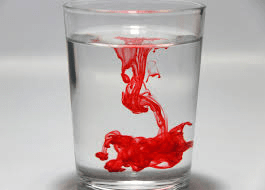
The red color is spreading throughout the water.
Observation
100
Describe an endothermic reaction/process.
Energy is being absorbed from surroundings and temperature goes DOWN.
100
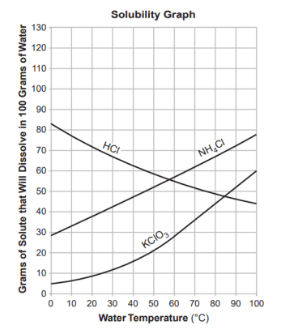
At what temperature will 50 g of NH4Cl dissolve in 100 g of water?
45 oC
200
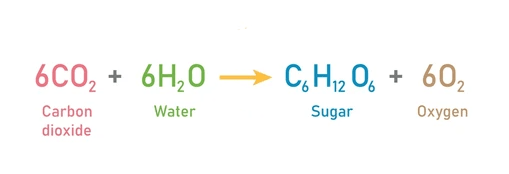
What are the products?
Sugar, Oxygen
200
Calcium Chloride (CaCl2)
Compound
200
Natural and synthetic resources are similar because they are both made from the _________________.
Earth
200
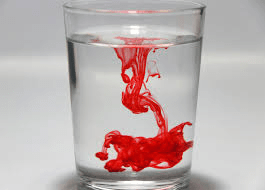
The red color is from food coloring.
Inference.
200
Describe and exothermic process/reaction.
Energy is released into the surroundings and temperature goes UP.
200
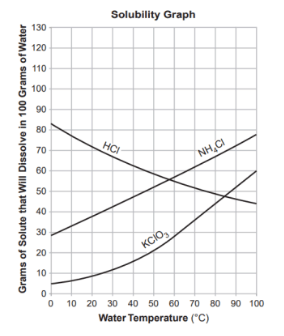
How many grams of HCl will dissolve in 100 g of water at 25 oC?
70 g
300
How would you separate salt water?
Boil water to leave behind salt; let water evaporate.
300
Calcium Sulfate (CaSO4)
Compound
300
Give one example of a natural and synthetic material.
Natural - wool, wood, water
Synthetic - medicine, vitamins
300
Vestal weather: 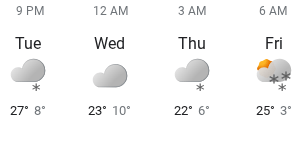
Prediction
300
The total mass of substances before and a reaction.
Will not change/be equal.
300
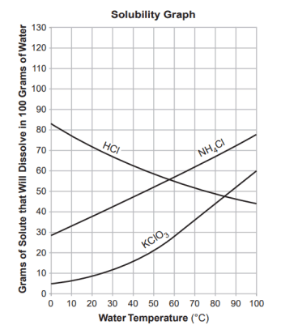
What is the independent variable on this graph?
Water Temperature (oC)
400
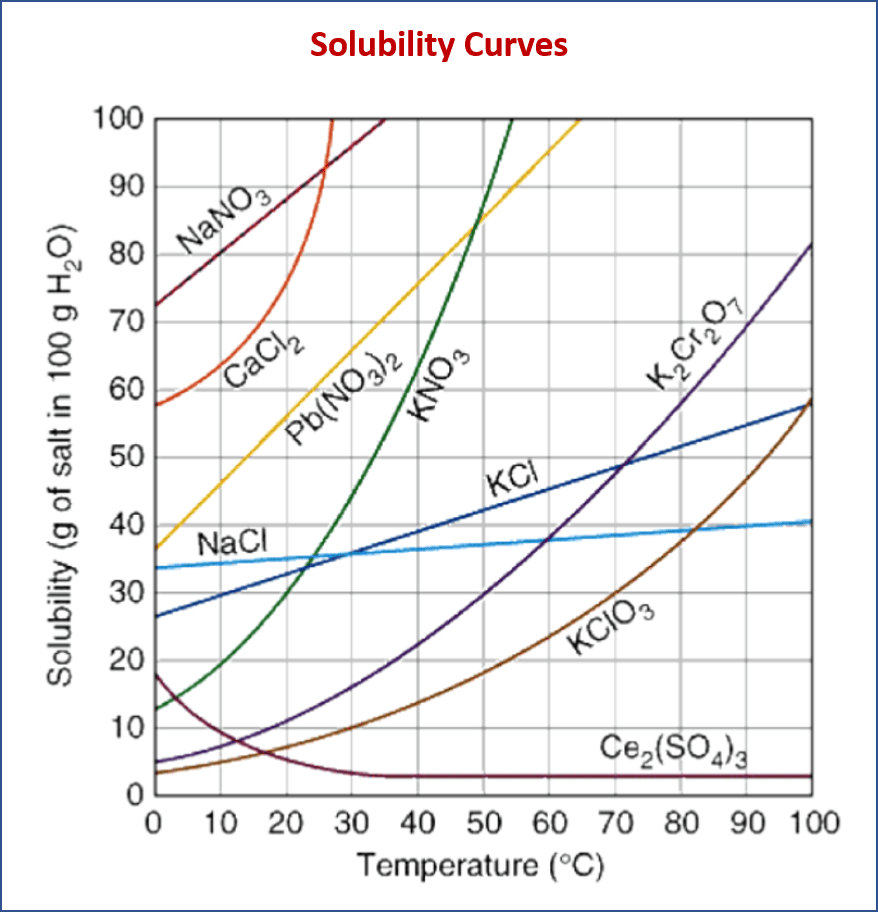
Which compound will decrease in solubility as temperature increases?
Ce2(SO4)3
400
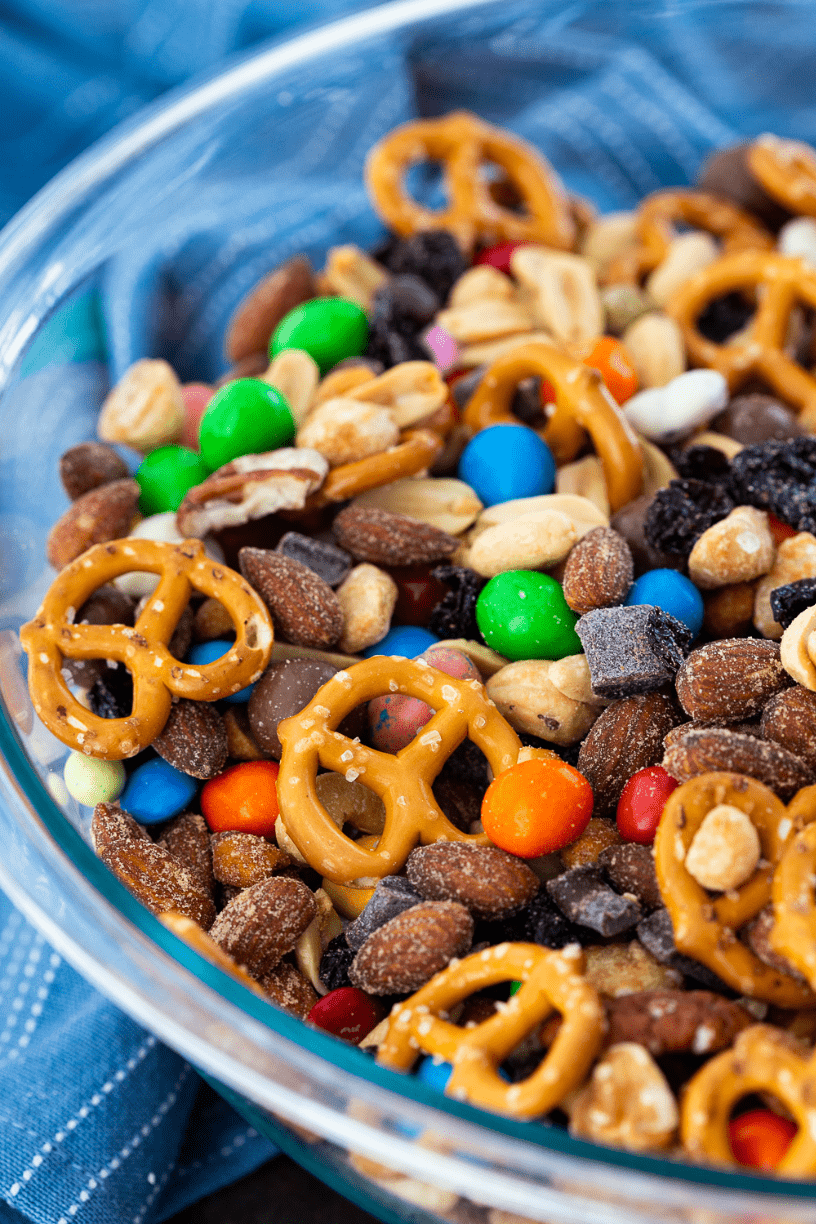
Heterogeneous mixture
400
Finish the sentence: Changes to Earth's environment due to human activities can have . . . . . .
positive and negative effects on ecosystems.
400
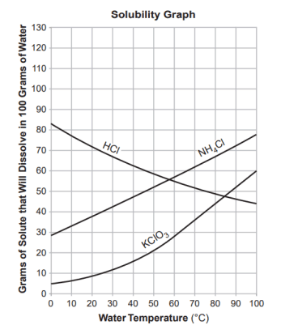 As the water temperature increases, the solubility of HCl goes down.
Observation.
400
Evidence of a chemical reaction.
Fizzing, bubbling, heat/light (energy), new substances
400
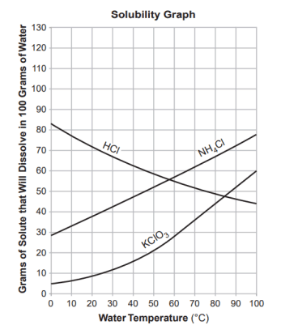
What is the dependent variable on this graph?
Grams of Solute That Will Dissolve in 100 g of Water
500
What's the best approach to designing an effective solution?
Test, modify and test again
500
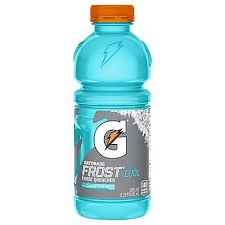
Homogeneous mixture
500
Natural resources, like minerals, fossil fuels, and freshwater are distributed ________________ across the planet.
Unevenly
500
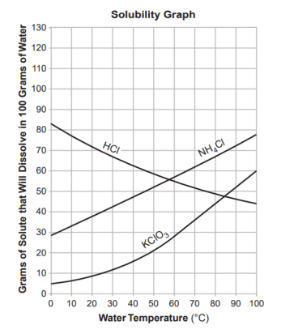
At 120 oC, about 40 g of HCl will dissolve in 100 g of water.
Prediction.
500
The type of system that will demonstrate the law of conservation of mass.
Closed system
500
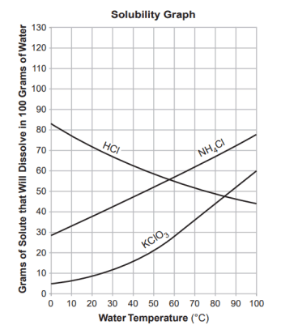
What is the solvent on this graph?
100 g of Water