Enzymes
Reactions
ATP
Bonds
Cumulative
100
What do we call the molecule that attaches to the enzyme?
Substrate or reactant
100
What type of reactions take in energy?
Endothermic
100
What is the purpose of ATP?
Energy carrying molecule that cells can use
100
What happens when we remove the 3rd phosphate bond.
Energy is given off and ADP is formed
100
What is an independent variable?
The thing we control in an experiment.
200
What is the location on the enzyme where it binds the reactants?
Active Site
200
What type of reactions give off energy?
Exothermic
200
What does ATP stand for?
Adenosine Triphosphate
200
What happens when we add the 3rd phosphate back to ADP?
Energy is absorbed and ATP forms.
200
What organelle makes protein?
Ribosomes
300
What is the purpose of enzymes?
Speed up reactions
300
What type of reaction is shown?
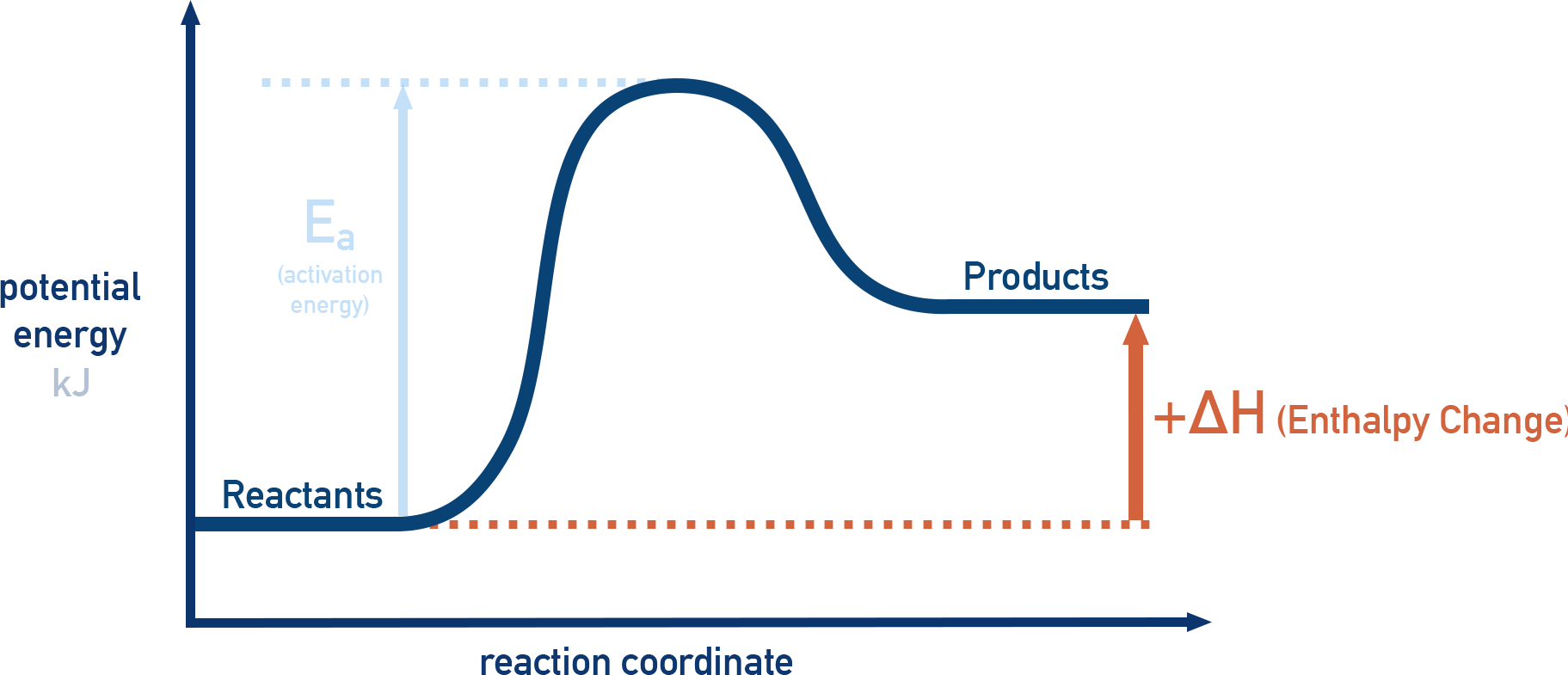
Endothermic
300
What are the three parts of ATP?
Adenosine, Ribose, Phosphate
300
Which bond is the easiest to break on an ATP molecule?
The bond between the 2nd and 3rd phosphate
300
When is DNA duplicated?
S phase of Interphase
400
How do enzymes speed up reactions?
Lower activation energy
400
What type of reaction is shown?
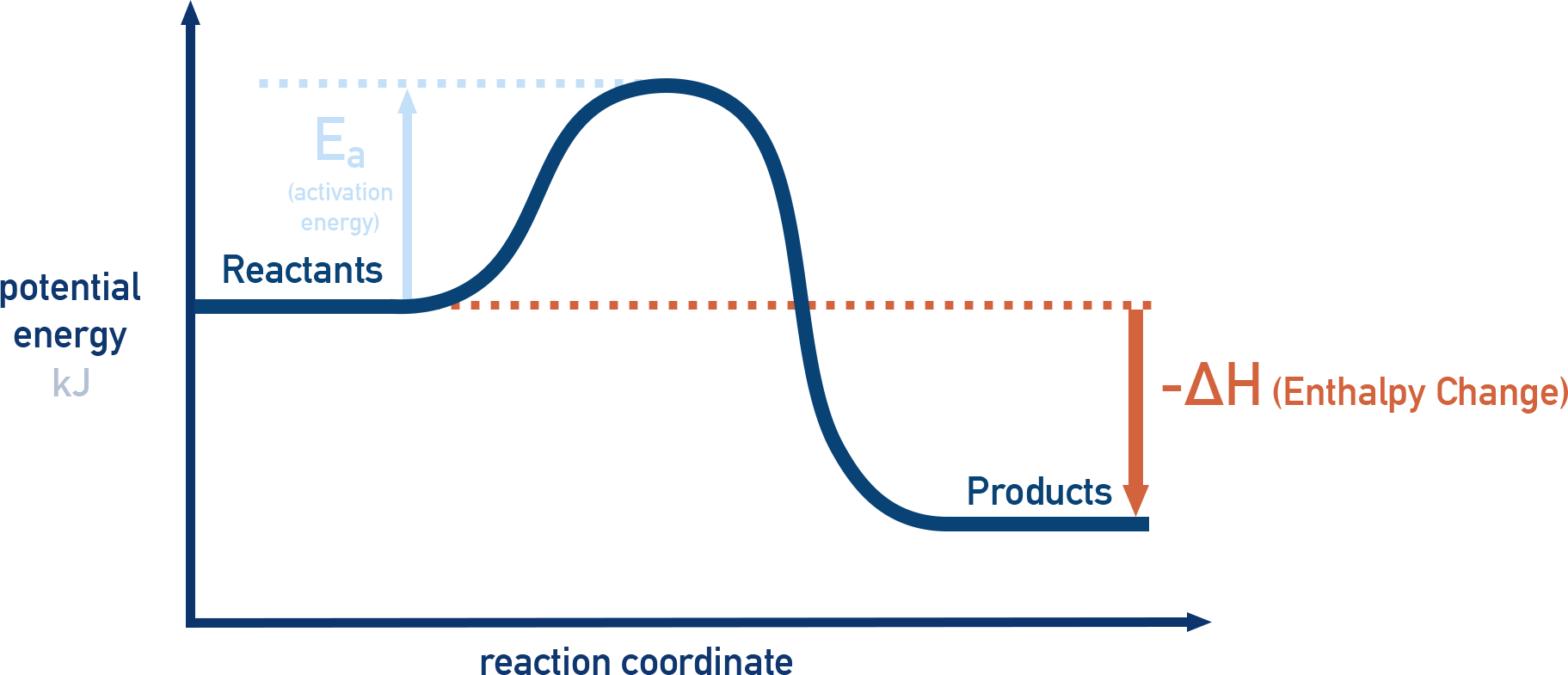
Exothermic
400
What is the first macromolecule your body will break down to make ATP?
Carbohydrates
400
What is recycled during the ATP-ADP Cycle?
ADP
400
What is meant by the term malignant?
Cancer is spreading
500
Briefly describe what is happening in this image.

Enzyme is breaking a bond to form 2 products from 1 reactant.
500
What are 3 ways we can alter the rate of reaction?
Temp, pH, Concentration, Competitive inhibitors, Catalysts (Enzymes)
500
Which macromolecule will your body never make ATP from?
Nucleic Acids
500
Enzymes can help both break and _____ bonds.
Form
500
If water is flowing out of a cell the solution it is in must be ______.
Hypertonic