What Living Things Need
Miscellaneous
Reproduction-Plants make new Plants
Plant Parts
Types of Plants
100
Part of the plant where photosynthesis occurs
Leaves
100
A growing plant’s weight is 80%–90%...
water
100
The often brightly colored parts of a flower
Petals
100
Large root that grows downward and has smaller roots growing off of it
Taproot
100
Vascular plants that produce seeds in flowers
Angiosperms
200
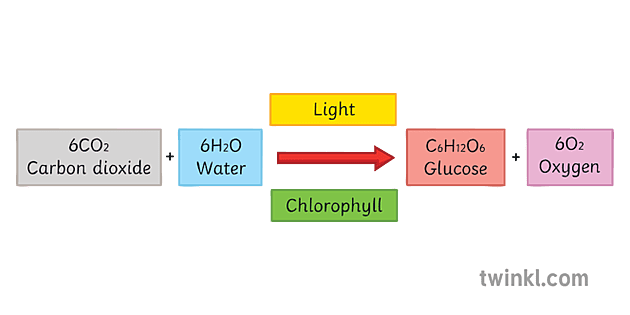
Three things necessary for photosynthesis to occur.
Water (H20), Sunlight (energy), and Carbon Dioxide (CO2).
200
Another name for Plants with transport vessels.
What is a vascular plant?
200
Male reproductive structures of a flower
Stamens
200
Tiny openings in a leaf through which gases pass
Stomata
200
Vascular cone-bearing plants with seeds that are not enclosed
Gymnosperms
300
A seed’s germination is highly dependent upon:
a. the type of soil it is in
b. the temperature of its environment
c. the type of water that is available
Temperature of its environment
300
Flowering plants that live for more than two years
Perennials
300
Leaflike structures that cover and protect the immature flower
Sepals
300
The layer of a woody stem that that produces new vascular tissue (responsible for tree growth)
Cambium
300
Plants that has leaves, rhizomes, and stems that reproduces by spores
Ferns
400
The two PRODUCTS of photosynthesis
What is Sugar (glucose) and Oxygen
400
Plants that do not have vessels for transporting nutrients throughout the plant
Nonvascular
400
Produced in the anther of the flower, powdery, dust-like particles that carry the sperm cells of seed plants
Pollen 
400
Specialized plant tissue that transports water and minerals from the roots throughout the plant
Xylem
400
A plant that has leaves with branched veins, flowers with four or five petals, a taproot, and a structured stem with vascular bundles to transport nutrients
Dicot
500
The most common gymnosperms
Conifers
500
Is the stigma a male or female reproductive structure? 
female
500
Female reproductive structure of a flower 
Pistil
500
Specialized plant tissue that transports food from the leaves to the rest of the plant
Phloem
500
Nonvascular plants that have seta, can reproduce sexually or asexually, and contain no real roots
Moss